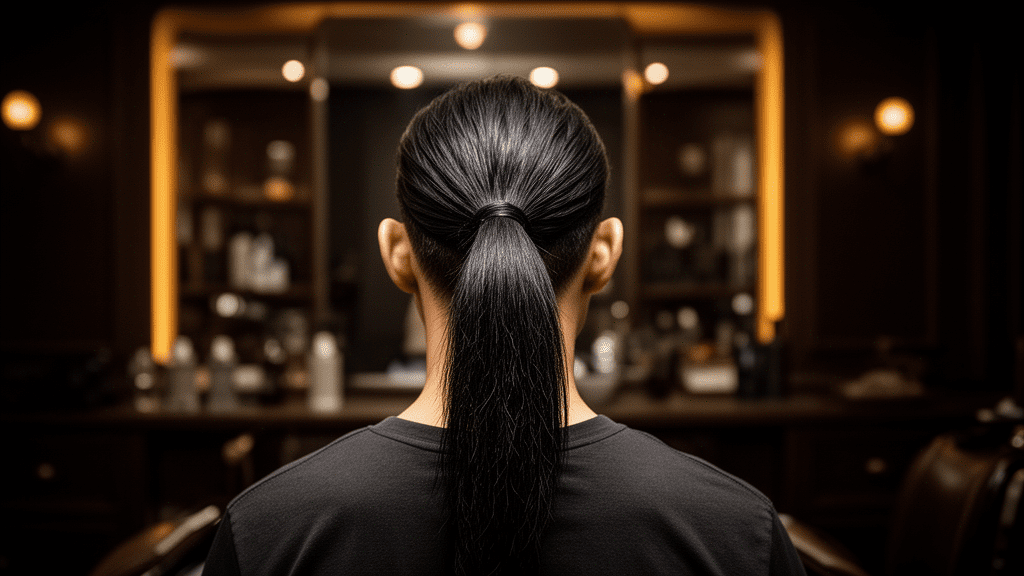
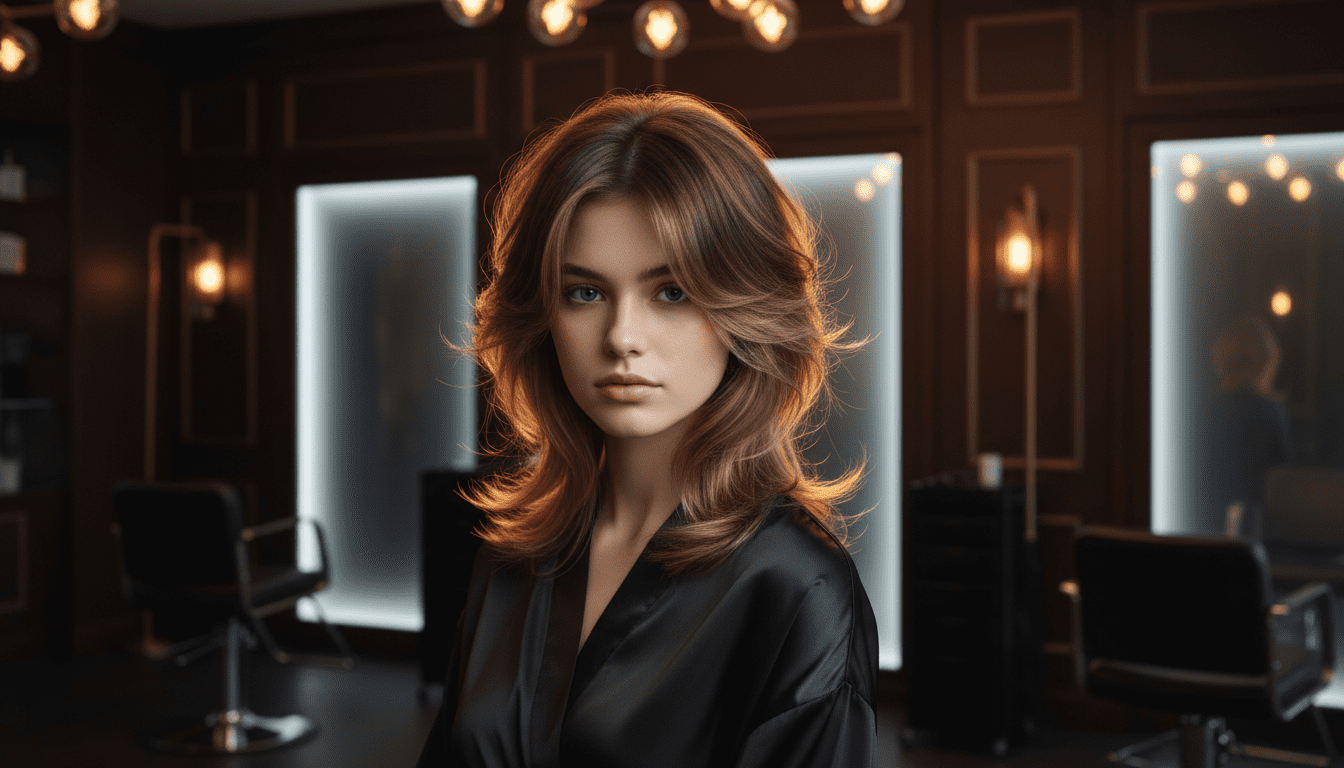
The Wolf Cut represents a prominent hairstyle that gained significant global popularity from the late 2010s into the 2020s. Characterized by its dynamic blend of a classic shag and a modern mullet, this cut has become a defining edgy style of the era, particularly fueled by K-pop and J-pop aesthetics and social media trends. It is an ideal choice for individuals seeking a highly fashionable, edgy, and low-maintenance haircut that embraces natural texture and a lived-in aesthetic, offering significant volume and movement with a rebellious flair.
Understanding the Wolf Cut
The Wolf Cut is defined by heavily layered hair, featuring shorter, more voluminous layers around the crown that gradually lengthen towards the ends. It often incorporates choppy bangs or face-framing pieces, creating a distinctive silhouette. This style is not merely a combination of its predecessors; it is a nuanced approach to layering, emphasizing texture and movement. While sometimes conflated with a modern mullet or an intensified shag, the Wolf Cut possesses its own unique characteristics, demanding precise execution from a skilled professional.
Characteristics of the Wolf Cut
The distinguishing elements of the Wolf Cut involve several key features:
- Layering: Abundant, often disconnected choppy layers are central, with shorter lengths at the top to create volume and longer lengths towards the bottom for a dramatic silhouette.
- Texture: The cut intrinsically promotes a highly textured appearance, enhancing natural waves, curls, or creating intentional dishevelment for a relaxed, lived-in feel.
- Volume: Concentrated volume around the crown is a hallmark, tapering down through the mid-lengths and ends.
- Fringe/Bangs: Often includes a fringe or face-framing pieces that integrate seamlessly with the shorter layers around the face.
- Versatility: Its structure allows for variations in length and intensity, making it adaptable to different hair types and personal preferences.
Consulting Your Barber for a Wolf Cut
Effective communication with your barber is paramount to achieving the desired Wolf Cut. Consider the following points when discussing this style:
- Visual References: Provide multiple images of Wolf Cuts that align with your aesthetic vision. This clarifies desired length, layering intensity, and overall style.
- Layering Focus: Emphasize the need for abundant, textured layers, particularly around the face and crown, to achieve the signature shaggy appearance.
- Fringe Preferences: Discuss the specific style and length of the fringe, whether blunt, wispy, or otherwise.
- Overall Length: Indicate the preferred final length, especially concerning the gradual lengthening towards the back.
- Texture Enhancement: Communicate whether you wish to enhance natural texture or create additional volume through specific cutting techniques like point cutting or texturizing shears.
- Style Intensity: Clarify if you are seeking a subtle interpretation or a more pronounced, edgy rendition of the Wolf Cut.
Open dialogue ensures your barber understands your expectations and can advise on the most suitable approach for your hair type and desired outcome.
Variations of the Wolf Cut
The inherent versatility of the Wolf Cut allows for numerous adaptations, accommodating diverse hair types and personal styles:
- The Short Wolf: A more compact version, featuring significant layering but with an overall shorter length, offering an edgy aesthetic with reduced commitment.
- The Long Wolf: This variation retains greater length, particularly in the back, amplifying the dramatic and rebellious character of the cut.
- The Curly Wolf: Tailored to enhance natural curls, strategic layering adds dimension and volume, celebrating the hair’s inherent texture.
- The Soft Wolf: Characterized by subtler layers and a more blended transition, this version offers a gentler, less dramatic take on the shaggy aesthetic.
Suitability for the Wolf Cut
The Wolf Cut is widely adaptable but generally suits specific hair characteristics and lifestyles:
- Hair Length: Requires at least medium length hair to effectively create the distinctive layering.
- Hair Type: Well-suited for straight, wavy, and curly hair. The layering is adjusted to complement the natural texture, enhancing movement and volume.
- Hair Texture: Fine, medium, and thick hair can all be styled into a Wolf Cut. Thicker hair naturally provides more volume, while finer hair benefits from the layering to create fullness.
- Face Shape: This cut often complements oval, round, and heart-shaped faces, where the layers and fringe can add structure and soften features. Adaptations can be made for other face shapes.
- Lifestyle: It is considered a low-maintenance style, ideal for those who appreciate a lived-in aesthetic and minimal daily styling efforts, embracing natural texture.
- Hair Health: For individuals with thinning hair or receding hairlines, a barber can modify the cut to create an illusion of fullness.
Implementing the Wolf Cut: Key Considerations
Embracing the Wolf Cut involves understanding its core philosophy and practical aspects.
Embrace the Natural State: The essence of the Wolf Cut lies in its “undone” appearance. Over-styling can diminish its characteristic charm. The goal is an effortlessly cool look that often benefits from enhancing natural texture.
Selecting a Professional: Given the specific layering and blending required, choosing a barber with experience in textured, contemporary cuts is advisable. Research and referrals can lead to a professional adept at executing this style accurately.
Age Appropriateness: While undeniably a modern and youthful trend, the Wolf Cut’s adaptability allows for variations that can suit various age groups. Adjusting length and layering can modify its impact to align with individual preferences and complexions.
Wolf Cut in Pop Culture
The Wolf Cut’s trajectory into mainstream fashion has been significantly influenced by its adoption by public figures. Celebrities such as Billie Eilish and Miley Cyrus have popularized variations of the style, showcasing its versatility across different aesthetics. Its prevalence in K-Pop and J-Pop cultures further cemented its status as a contemporary, gender-neutral statement, reflecting a broader trend towards expressive and unconventional hairstyles.
Maintaining the Wolf Cut
Proper maintenance ensures the longevity and appeal of the Wolf Cut:
- Washing Regimen: To preserve natural oils and prevent dryness, washing hair 2-3 times per week is typically sufficient.
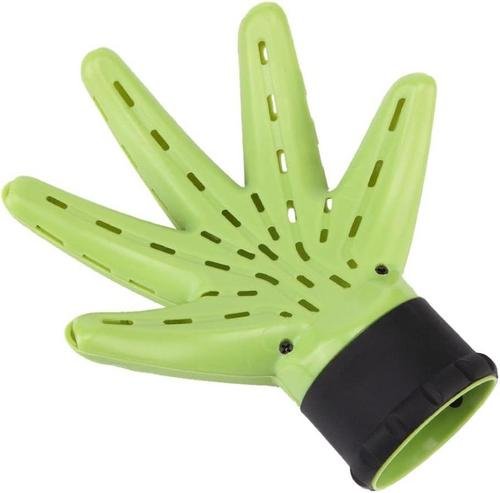
- Drying Techniques: Air-drying is often recommended to maintain natural texture. When using heat, a diffuser on a low setting can enhance the hair’s inherent wave or curl.
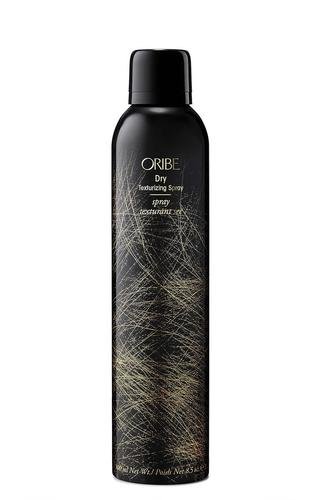
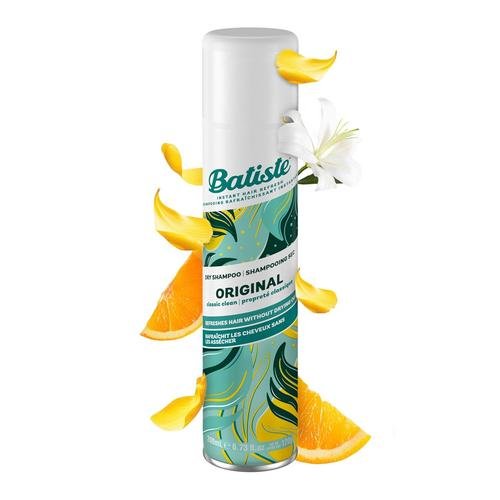
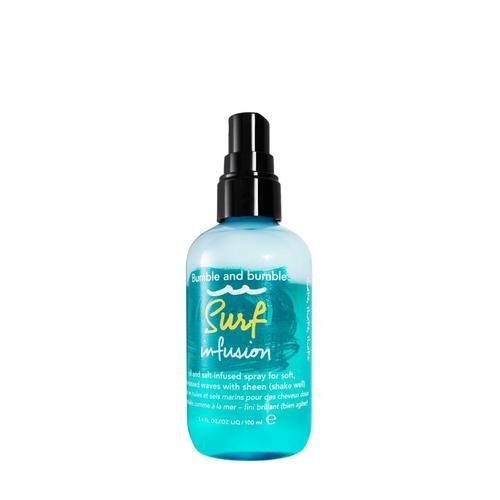
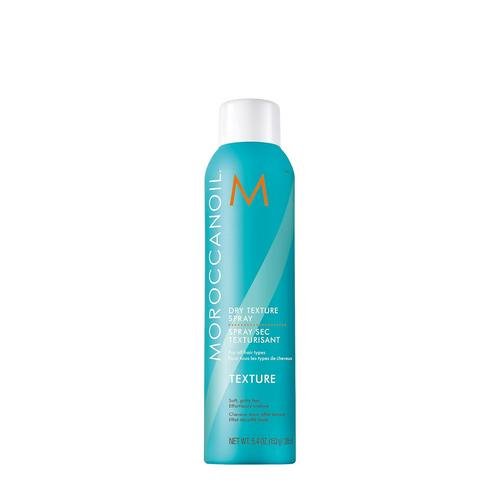
- Styling Aids: Products designed for texture or volume can enhance the cut’s distinctive features without weighing it down.
- Re-trim Schedule: To preserve the shape and prevent the layers from becoming overgrown, a trim every 6-8 weeks is recommended.
Wolf Cut FAQs
- Q: Is the Wolf Cut suitable for fine hair?
- A: Yes, the strategic layering can introduce volume and dimension to fine hair. Opt for lightweight styling products to avoid flatness.
- Q: Is the Wolf Cut difficult to style daily?
- A: Not inherently. Its nature embraces a more dishevelled look. Minimal styling, often involving texture enhancers and finger-styling, is typically adequate.
- Q: Can I tie up my hair with a Wolf Cut?
- A: Yes, the layers will contribute texture and interest to ponytails or buns.
- Q: How can I prevent my Wolf Cut from resembling a traditional mullet?
- A: Ensure your barber prioritizes blending the layers seamlessly, avoiding sharp distinctions between shorter and longer sections.
- Q: What if I am dissatisfied with the outcome?
- A: Hair growth is a natural process. In the interim, explore alternative styling methods or consult your barber for potential adjustments to the cut.
Embracing the Wolf Cut
The Wolf Cut represents more than a current trend; it embodies an attitude of individuality and creative expression. It celebrates texture, movement, and a distinctive sense of cool. For those contemplating a departure from conventional styles, the Wolf Cut offers a compelling aesthetic statement.