
Introduction
Bangs, also widely known as a fringe, constitute a distinctive section of hair cut to fall over the forehead. This feature is a powerful tool for face-framing, capable of significantly altering one’s aesthetic by drawing attention to the eyes and enhancing facial contours. While often considered a defining element of women’s hairstyles, the versatility of bangs allows for integration into various looks. Its popularity is notably cyclical, frequently experiencing resurgences, particularly with styles like curtain bangs and wispy variants, cementing its status as a consistently relevant and customizable hairstyle focal point. This guide explores the multifaceted nature of bangs, from historical context to contemporary application, offering insights for those considering this impactful hair feature.
A History of the Forehead Fringe
The concept of hair styled over the forehead boasts an extensive history, dating back to ancient civilizations. Notably, depictions from ancient Egypt suggest figures such as Cleopatra may have worn a blunt, straight fringe, indicative of a strong and iconic aesthetic. Throughout the centuries, the fringe has adapted to prevailing fashion currents. The 1920s saw flapper culture adopt short, choppy bangs as a symbol of modernity and liberation. Subsequent decades introduced varied iterations, from the precise pin-up bangs of the 1940s to the ethereal wisps of the 1960s. This enduring adaptability underscores the fringe’s timeless appeal across diverse eras and cultural expressions.
Understanding Fringe Terminology
At its core, a fringe refers to the section of hair that covers the forehead. However, this fundamental definition encompasses a broad spectrum of stylistic variations. These include the precise lines of blunt bangs, the soft sweep of side-swept bangs, the delicate quality of wispy bangs, and the popular parted style known as curtain bangs. Other forms include the abbreviated micro bangs, the deliberately uneven choppy bangs, the elegant brow-skimming bangs, and the subtly curved arched bangs. The specific nomenclature utilized by a stylist may vary, though the general term “fringe” serves as a universal starting point for discussion.
Consulting Your Stylist for Bangs
Effective communication with a stylist is paramount when contemplating a fringe. It is recommended to bring visual references to illustrate the desired outcome. When articulating your preferences, consider the following points:
- Specificity: Beyond merely requesting “bangs,” specify the desired style, such as “soft, side-swept bangs designed to seamlessly blend with existing layers.”
- Length: Clearly convey the intended length, whether “just above the eyebrows” or “long enough to be tucked behind the ears.”
- Hair Texture and Styling: Discuss your typical hair styling routine and natural hair texture. This information aids the stylist in understanding how the fringe will inherently fall and integrate.
- Blending: Emphasize the importance of the fringe flowing harmoniously with the rest of the haircut, avoiding abrupt or disconnected lines.
For those uncertain, an initial longer cut allows for subsequent adjustments. It is easier to remove additional length than to attempt to add it back.
Exploring Diverse Fringe Styles
The versatility of bangs lies in their extensive range of styles, each offering a distinct aesthetic:
- Blunt Bangs: A classic, straight-across cut that imparts a bold, graphic presence.
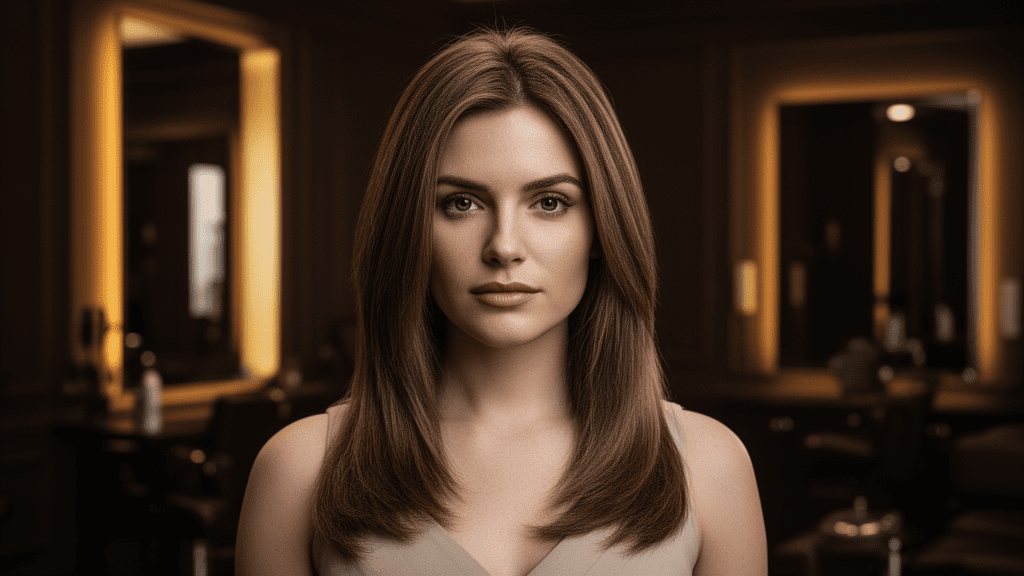
- Side-Swept Bangs: A soft, angled fringe that gracefully frames the face. This style is highly adaptable and complements various facial structures.
- Wispy Bangs: Characterized by a light, airy, and feathered texture, these bangs add a delicate softness to the overall look.
- Curtain Bangs: Longer bangs parted centrally, cascading along the sides of the face. This 1970s revival remains a prominent trend.
- Micro Bangs: Exceptionally short, positioned high on the forehead, offering a distinctively bold and avant-garde statement.
- Choppy Bangs: Defined by an uneven, textured cut, providing a slightly disheveled yet stylish aesthetic.
- Brow-Skimming Bangs: A fringe that gently grazes the eyebrows, contributing an element of subtle intrigue.
- Arched Bangs: Slightly shorter in the center and progressively longer towards the sides, creating a soft, flattering curve.
Determining Suitability for Bangs
Adopting bangs represents a commitment to regular styling and maintenance. Their suitability is influenced by several factors:
- Lifestyle: Bangs may require daily styling. Individuals with lifestyles that accommodate this routine will find them more manageable.
- Face Shape:
- Oval: This face shape typically accommodates most fringe styles.
- Round: Side-swept or curtain bangs can visually elongate the face.
- Square: Soft, wispy bangs can mitigate the prominence of a strong jawline.
- Heart: Long, side-swept bangs can help balance a broader forehead.
- Personality: Bangs can convey a particular image, from classic to edgy. Consider if the desired fringe aligns with your personal style.
- Hair Characteristics:
- Trim/Cut Length: Varies significantly, from designs that skim the eyebrows to those that reach the cheekbones.
- Hair Length (starting): Generally, hair should be at least chin-length to adequately create bangs.
- Hair Type:
- Straight: Bangs tend to lie flat, making texture critical for styling.
- Wavy: Wispy or curtain bangs often integrate well with natural waves.
- Curly: This hair type requires precise cutting and styling to achieve the desired shape and avoid excessive volume.
- Hair Texture:
- Fine: Wispy bangs can impart volume without overwhelming the hair.
- Thick: Blunt or choppy bangs can effectively manage denser hair.
- Hair Health: Bangs are generally not advised for severely thinning hair, as they can inadvertently highlight sparseness.
Bangs hold significant cultural resonance globally, observed in historical contexts from ancient royalty to contemporary trends such as K-pop. Their interpretation, ranging from a symbol of youthfulness to an expression of rebellion, is highly individual and culturally diverse.
Managing Common Fringe Challenges
For those embracing a fringe, addressing specific styling challenges is integral to maintaining its aesthetic appeal.
Taming a Cowlick
A persistent cowlick within the fringe area can be managed by a skilled stylist who can cut the hair to work with its natural growth pattern. Daily styling often involves dampening the section and using a hairdryer with a round brush on a low heat setting to direct the hair into place.
Addressing Oily Bangs
The forehead’s natural oils can lead to bangs appearing greasy. Strategies to mitigate this include the judicious use of dry shampoo, blotting papers, or localized washing of only the fringe section between full hair washes. Over-washing should be avoided, as it can sometimes stimulate increased oil production.
Selecting a Qualified Stylist
Entrusting your fringe to an experienced stylist is crucial. Seek a professional with demonstrated expertise in cutting bangs and an understanding of how different styles complement various face shapes and hair textures. Inquire about recommendations or consult professional reviews.
The Enduring Influence of Bangs in Pop Culture
Bangs have frequently served as a defining element in iconic looks across popular culture. Exemplary instances include Audrey Hepburn’s refined wisps in “Roman Holiday,” Dakota Johnson’s effortlessly chic curtain bangs, and Taylor Swift’s influential adoption of a full fringe in the 2010s, which swiftly became a trendsetter. The pervasive presence of bangs in media underscores their enduring appeal and status as a timeless stylistic choice.
Fringe Maintenance Guidelines
Consistent maintenance is essential for preserving the optimal appearance of your bangs.
- Washing Frequency: Wash bangs as necessary, taking care not to over-cleanse.
- Drying Techniques: Air drying can produce a more natural, textured finish, while blow-drying with a small round brush can enhance volume and smoothness.
- Styling Products: Opt for lightweight products such as mousse or texturizing spray. Dry shampoo is valuable for refreshing between washes.
- Re-Trimming Schedule: To maintain the intended shape and length, plan for professional bang trims every two to four weeks.
Common Inquiries Regarding Bangs
Addressing frequent questions provides further clarity for individuals considering a fringe.
- Do bangs create a more youthful appearance? Bangs can potentially soften facial features, contributing to a more youthful aesthetic.
- Is styling bangs difficult? The ease of styling varies based on the specific fringe style and individual hair type. Some styles are low-maintenance, while others require daily attention.
- Can bangs be cut if I have a cowlick? Yes, though it may necessitate specific cutting techniques and additional styling effort.
- How can greasy bangs be prevented? Regular use of dry shampoo or blotting papers can manage oiliness.
- What if I dislike my bangs? Bangs can be temporarily styled back with clips or braids, or simply allowed to grow out. Hair is a transient feature.
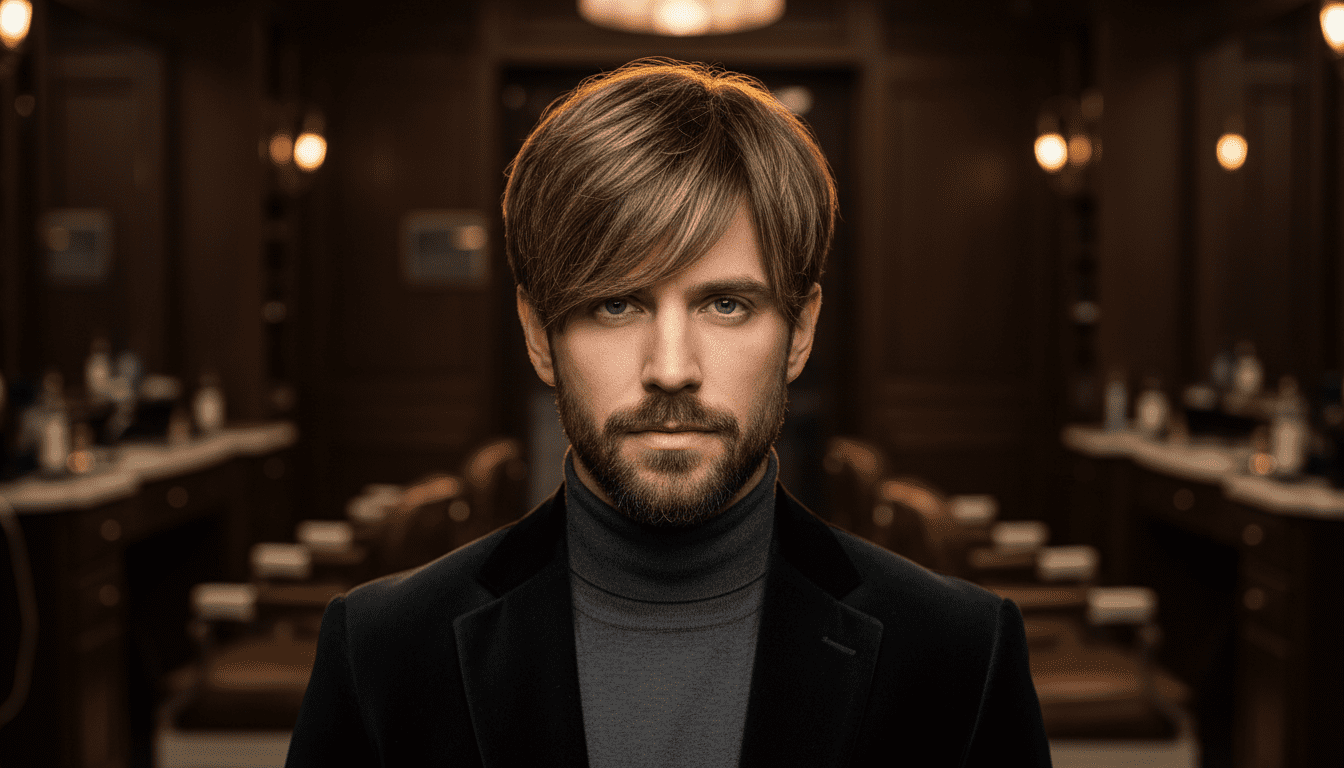
- Are bangs suitable for men? Absolutely. Men can incorporate various forms of fringe, from longer side bangs to a more textured, messy forehead fringe, enhancing many contemporary male hairstyles.
Embracing Your Ideal Fringe
Bangs offer a significant opportunity for personal expression and transformation. They can redefine a look and bolster confidence. Understanding the practicalities and stylistic nuances of this versatile feature is key to selecting an ideal fringe.