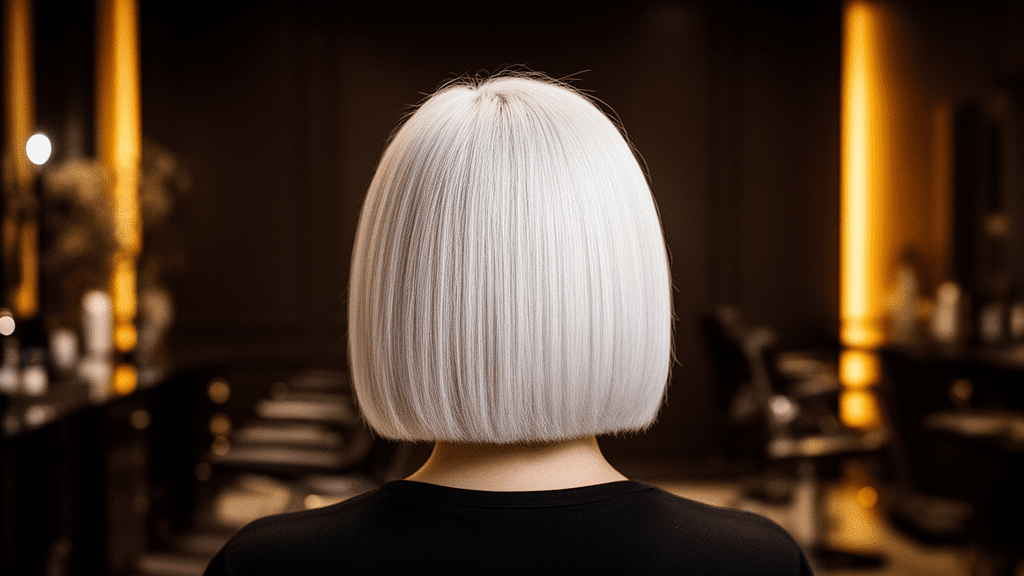

The Beehive stands as an enduring symbol of mid-20th-century glamour, a hairstyle that commands attention through its architectural form and impressive height. Far from a mere trend, it has solidified its position as an iconic statement piece, consistently revisited for its dramatic elegance and sophisticated appeal. This guide explores the structure, history, and considerations for adopting this distinctive look.
Origins of the Beehive Hairstyle
The Beehive’s genesis can be traced to 1960, when Margaret Vinci Heldt, a Chicago stylist, conceptualized a style that would be both elegant and durable. Her innovative design, intended to be a lasting coiffure, quickly gained traction, securing her first prize from the National Hairdressers’ Association by 1961. The style’s popularity surged, becoming synonymous with the era’s leading figures in entertainment and fashion, including Audrey Hepburn and Brigitte Bardot, solidifying its place in popular culture as a hallmark of retro glamour.
Defining the Beehive
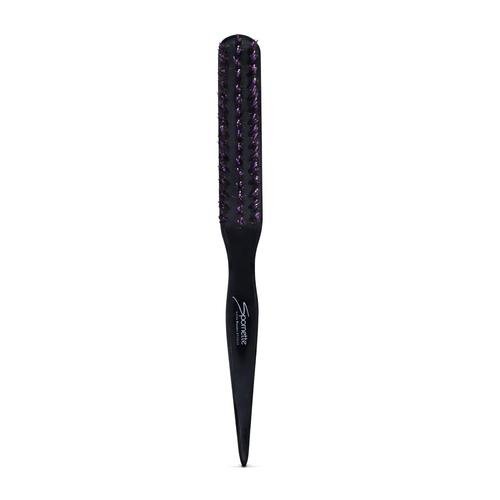
At its core, the Beehive is a hairstyle in which the hair is meticulously piled high atop the head, forming a shape reminiscent of a beehive. The execution relies heavily on targeted backcombing, also known as teasing, to create substantial internal support, followed by careful smoothing of the outer layers to achieve a sleek, sculpted finish. The generous application of holding products is essential to maintain the structure and defy gravity, resulting in a distinctively rounded and elevated silhouette.
While often broadly categorized under the term ‘bouffant,’ it is important to note the specific characteristics that distinguish the Beehive. A bouffant refers to any hairstyle characterized by its overall volume, whereas the Beehive specifies a particular, often more elongated and conical, shape achieved through concentrated height at the crown. All Beehives are bouffants, but not all bouffants possess the unique contour of a Beehive.
Consulting Your Stylist for a Beehive
To effectively communicate your desired Beehive aesthetic to a stylist, visual references are highly recommended. These can illustrate the preferred height, overall shape, and the finish you envision. Articulate your request for a high-volume updo that features significant backcombing at the roots and a smooth, polished exterior. Clarify your desired elevation, whether you seek a more subdued lift or a pronounced, towering structure. Stylists typically section the hair, meticulously tease the roots for maximum lift, then carefully smooth the outer hair over the teased foundation to create the signature rounded form. Adequate hair length, generally shoulder-length or longer, facilitates achieving the requisite height, and subtle face-framing layers can introduce a contemporary softness to the traditional style.
Variations of the Beehive
The Beehive offers versatility, allowing for adaptation to individual preferences and occasions:
- The Half-Beehive: This rendition incorporates the signature teased volume only in the top section of the hair, with the remaining hair left down. It provides a more relaxed interpretation suitable for less formal settings.
- Beehive with Bangs: The integration of bangs, whether blunt, side-swept, or curtained, can significantly alter the hairstyle’s expression, adding elements of playfulness or sophisticated framing.
- The Textured Beehive: Moving away from the conventional smooth finish, this variation utilizes texturizing products to create a more undone, voluminous appearance, aligning with contemporary trends for a modern edge.
- The Accessorized Beehive: Embellishments such as headbands, scarves, ornamental clips, or floral accents can personalize the Beehive, making it unique to the wearer’s style.
Suitability for the Beehive
The Beehive is a commitment to a distinguished style, best suited for individuals who appreciate its inherent drama and vintage appeal.
- Lifestyle: This hairstyle is characterized by its high maintenance requirements, necessitating dedicated styling for optimal presentation. It is ideally suited for special events, formal gatherings, or occasions where making a deliberate fashion statement is desired.
- Face Shape: The verticality and structure of the Beehive tend to complement oval and square face shapes by providing balance and definition. Ultimately, confidence is paramount, and the style can be adapted to various facial structures.
- Personality: Individuals with a bold and confident disposition are particularly well-suited to the Beehive, as it is a hairstyle designed to capture attention and convey a strong presence.
- Hair Characteristics:
- Hair Length: A minimum of shoulder-length hair is generally required to achieve sufficient height and volume.
- Hair Type: The style performs optimally on straight or wavy hair, as these textures tend to hold backcombed shapes more effectively. Curly hair can be styled into a Beehive but may demand increased product use and effort.
- Hair Texture: Medium to thick hair textures provide the most advantageous foundation for volume and structural integrity. Fine hair can still achieve a Beehive but will likely necessitate more extensive teasing and product support.
- Hair Health: Given the backcombing involved, it is advisable to avoid this style on brittle or significantly damaged hair to prevent breakage.
While the Beehive is historically significant in Western fashion, its timeless appeal and glamorous aesthetic have been embraced across diverse cultures and subcultures worldwide, recognized as an emblem of poise and sophistication.
Care and Maintenance
Preserving the integrity of a Beehive requires specific care:
- Trims: Regular trims, approximately every 6-8 weeks, are recommended to maintain the layers that contribute to the Beehive’s shape and facilitate volume.
- Washing: Infrequent washing is advisable to preserve the hair’s natural oils and enhance styling manageability. Dry shampoo can be utilized to refresh roots and absorb excess oil between washes.
- Drying: Air drying is preferable to minimize heat damage. If heat styling is necessary, use a low heat setting with a diffuser.
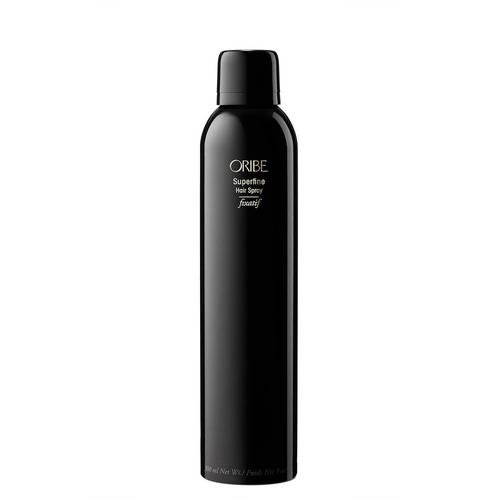
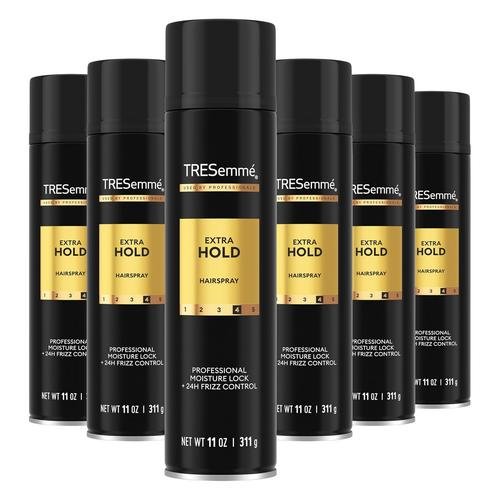
- Styling Refresh: To maintain the Beehive’s stature, gently tease the roots as needed and smooth the top layers, securing the style with a quality hairspray.
The Beehive in Pop Culture
The Beehive has enjoyed a consistent presence in popular culture, adorning the heads of numerous luminaries. From Audrey Hepburn’s iconic portrayal in “Breakfast at Tiffany’s” to Amy Winehouse’s distinctively modern interpretation, the Beehive has been a powerful symbol of glamour, individuality, and artistic expression, appearing in film, television, and music, cementing its place in the annals of style history.
Beehive Frequently Asked Questions
Q: Is the Beehive difficult to style?
A: Initial attempts may present a learning curve, but proficiency can be achieved with practice and the appropriate styling tools and products.
Q: Can the Beehive cause hair damage?
A: Excessive or aggressive backcombing can lead to hair breakage. Gentle technique and the use of quality hairspray are crucial for hair protection.
Q: Is the Beehive suitable for short hair?
A: Achieving the characteristic height and volume on very short hair typically requires the use of extensions or hairpieces.
Q: Is the Beehive exclusively for formal events?
A: While often chosen for formal occasions, the Beehive’s versatility allows for adaptation to various settings, depending on the chosen variation and overall styling.
Q: Is it possible to sleep with a Beehive?
A: While technically feasible, sleeping with a Beehive is not recommended as it can compromise the style’s integrity and potentially damage the hair.
Concluding Thoughts on the Beehive
The Beehive transcends its status as a mere hairstyle, serving as a powerful emblem of confidence, glamour, and distinctive personal style. Whether adopting its classic voluminous proportions for a vintage aesthetic or integrating modern elements for a fresh interpretation, the Beehive consistently delivers a captivating and memorable look. Its enduring appeal lies in its ability to transform an appearance, making a bold and sophisticated statement.