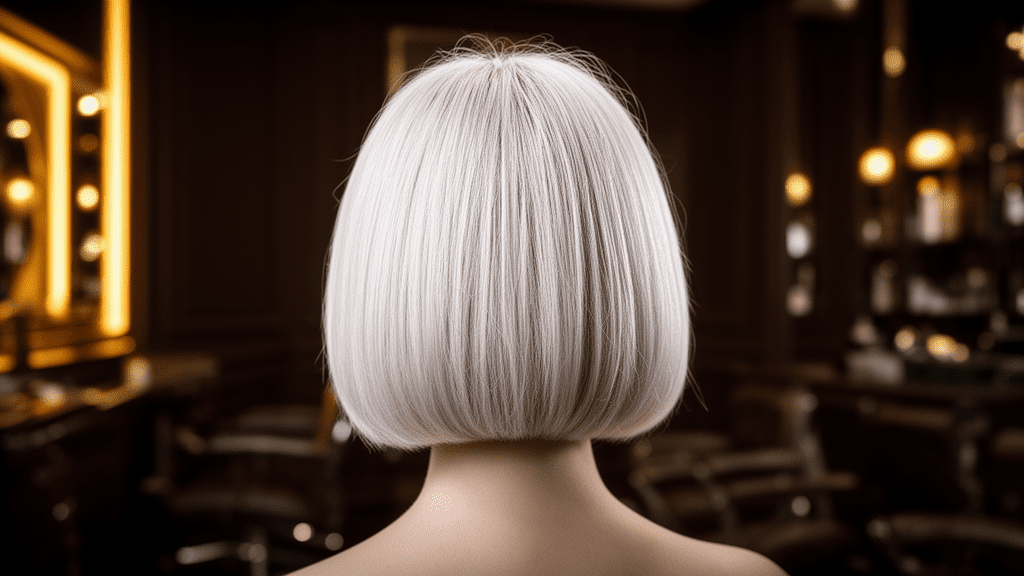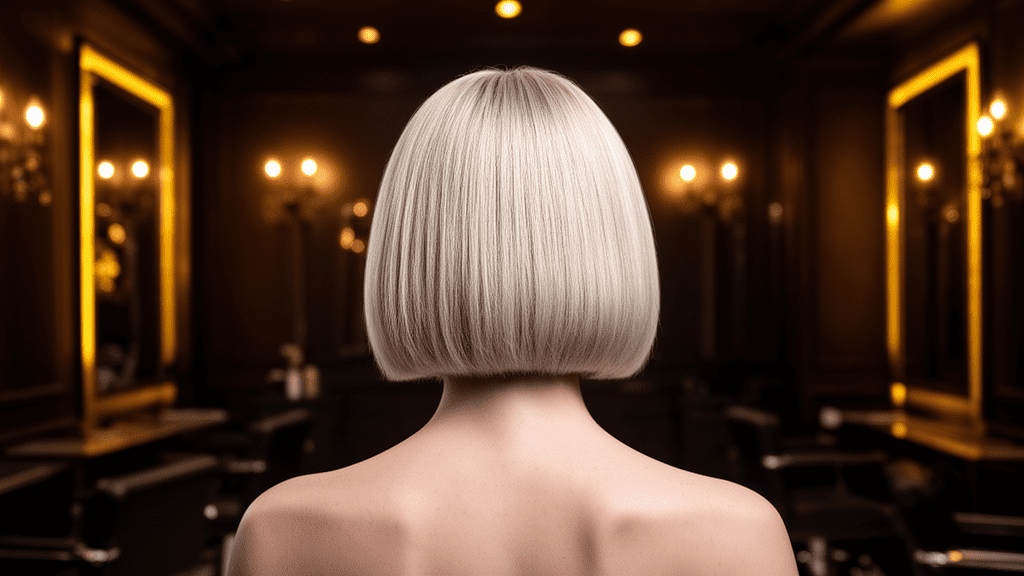
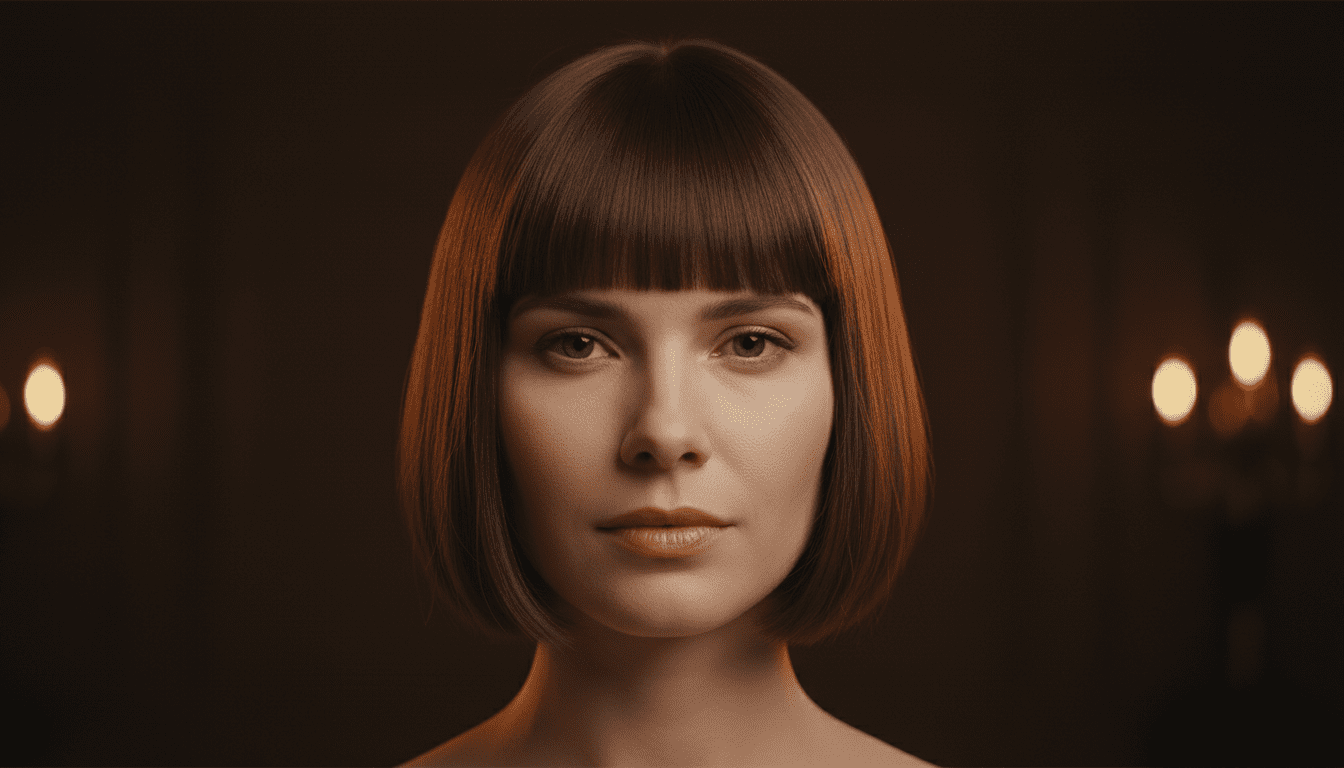
The Blunt Cut is a hairstyle celebrated for its sharp, strong silhouette, characterized by precise, straight lines that create a clean and impactful finish. This enduring style maintains consistent popularity across decades, frequently trending in variations such as the bob and lob. It is ideal for individuals who desire a defined and sophisticated appearance, understanding that its precision requires regular maintenance.
The history of the blunt cut traces back through various eras, from ancient civilizations to the flapper styles of the 1920s. Its definitive rise to prominence occurred in the 1960s, largely influenced by Vidal Sassoon’s revolutionary geometric cutting techniques. This evolution established the blunt cut as both a symbol of modernist rebellion and a timeless classic, demonstrating the power of simplicity in hairstyling.
Understanding the Blunt Cut
At its core, a blunt cut is defined by a straight, even, and uninterrupted line at the hair’s ends. This technique deliberately avoids layers or texturizing within the cut itself, focusing on a singular, uniform length. It is most frequently observed in bobs, lobs (long bobs that reach the collarbone), and various fringe styles, though the principle of the clean, unwavering edge remains consistent. Stylists may also refer to it as a “one-length cut,” particularly for longer hair configurations where the absence of internal layering is key.
Requesting a Blunt Cut at the Salon
When consulting with a stylist, clear communication is essential to achieve the desired blunt cut. Providing visual references, such as photographs, is highly recommended to convey your exact preferences. Be specific regarding the desired length; for instance, whether a bob should sit precisely at the chin, slightly above, or below. For a lob, indicate the preferred fall point, such as the collarbone or just past the shoulders.
Critically, articulate your preference for a blunt edge with no internal layering. Emphasize the desire for a solid, even line, ensuring the stylist fully comprehends the commitment to a precision cut without deviation.
Adaptations of the Blunt Cut
The blunt cut’s inherent versatility allows for various stylistic interpretations:
- Blunt Bob with a Center Part: This configuration offers a sleek and refined aesthetic, often effective in balancing facial proportions.
- Angled Blunt Lob: Featuring a subtly shorter back that gradually lengthens towards the front, this variation introduces movement and can enhance the appearance of volume in finer hair.
- Blunt Fringe with a Textured Bob: Integrating a blunt fringe with a bob that has minimal, subtle texturizing on the ends provides a contemporary edge without appearing overly severe.
- Asymmetrical Blunt Cut: Characterized by an uneven yet sharp hemline, the asymmetrical blunt cut is a bold adaptation, suitable for those seeking a distinctive and daring statement.
Suitability of the Blunt Cut
Determining if the blunt cut aligns with an individual’s profile involves considering several factors:
- Lifestyle: This style is well-suited for those desiring a clean, defined, and sharp look that exudes sophistication. It projects a polished statement and can adapt to both professional and casual environments. While not a “wash-and-go” style, its maintenance is moderate, primarily revolving around preserving its precise lines.
- Face Shape: Oval and square face shapes are particularly complemented by blunt cuts, as the clean lines can enhance strong facial features. Round faces can also benefit from a blunt cut, especially when paired with a center part or a longer length to create vertical elongation. Heart-shaped faces may find balance with a slightly softer blunt cut, potentially with minimal length variation around the chin.
- Personality: The blunt cut projects confidence and sophistication. It appeals to individuals who favor a modern, polished aesthetic. Its adaptable nature allows it to reflect diverse personal styles, from classic to contemporary.
- Hair Characteristics:
- Trim/Cut Length: Varies from chin-length for a bob to collarbone-length for a lob.
- Hair Length (starting): A minimum of chin-length is typically required to execute a blunt bob effectively.
- Hair Type: This cut performs well across straight, wavy, and certain curly hair types. For highly curly hair, maintaining the distinct blunt shape may necessitate increased styling effort.
- Hair Texture: Fine to medium hair textures generally retain the blunt shape with ease. Thicker hair may require minimal, targeted texturizing to prevent a bulky appearance while preserving the blunt line.
- Hair Health: A blunt cut is beneficial for hair health by removing split ends and promoting uniform growth. It can also create an illusion of greater density, making it a viable option for thinning hair.
- Ethnic & Cultural Contexts: Universally adaptable, the blunt cut has been adopted across various ethnicities and cultures, maintaining its global appeal in fashion centers worldwide.
Key Considerations for the Blunt Cut
To optimize the blunt cut experience, several insights are valuable:
Visualizing the Style from All Angles
The blunt cut’s appearance shifts subtly depending on the viewing angle. Taking time to observe the style in a mirror from various perspectives can aid in understanding how it frames the face and how it can be styled effectively.
Selecting the Appropriate Stylist
Achieving an impeccable blunt line necessitates a stylist proficient in precision cutting techniques. Researching portfolios, reviewing client testimonials, and engaging in thorough consultations are advisable steps in selecting a skilled professional.
Transitioning from a Blunt Cut
Should there be a desire to alter or soften a blunt cut, options exist. A stylist can introduce subtle layering to modify the silhouette. Over time, consistent styling and regular trims will naturally allow for a transition into different hairstyles.
Noteworthy Blunt Cut Adherents
The blunt cut has consistently been a favored style among public figures. Celebrities such as Taylor Swift showcased a prominent blunt bob during her “1989” era, creating a significant style moment. Lucy Boynton frequently presents a refined blunt lob on red carpet occasions. Even iconic fictional characters, like Wednesday Addams, have popularized the blunt fringe, cementing the style’s broad appeal.
Maintenance and Longevity of the Blunt Cut
To preserve the sharp definition and integrity of a blunt cut, specific care practices are recommended:
- Washing Frequency: Washing the hair 2 to 3 times per week is generally sufficient to avoid stripping natural oils while maintaining cleanliness.
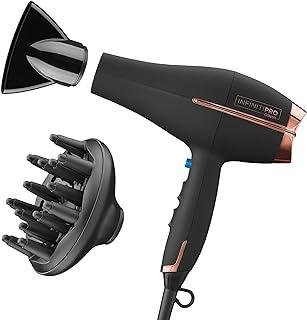
- Drying Methods: Air drying is preferable to minimize heat exposure. When using a blow dryer, a low heat setting and a directional nozzle should be employed to smooth the hair downwards, ensuring a sleek finish.
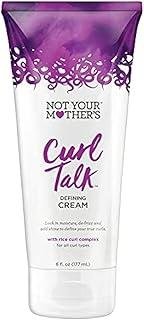
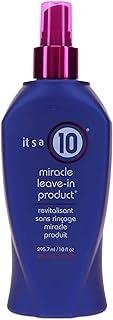
- Styling Aids: Smoothing serums, hair oils, and heat protectant sprays are beneficial for achieving a polished appearance. Texture sprays can be used for variations requiring slight movement.
- Re-Trim Schedule: To uphold the precise shape and prevent the development of split ends, a trim every 6 to 8 weeks is typically recommended.
Frequently Asked Questions Regarding the Blunt Cut
- Does a blunt cut enhance hair thickness? Yes, the defined blunt line creates the perception of fuller hair, making it a suitable choice for fine or thinning hair.
- Is a blunt cut compatible with curly hair? Absolutely. However, maintaining the precise shape on curly hair may require more frequent trims and dedicated styling.
- Is the blunt cut easy to style? It requires moderate styling effort. While it may demand more attention than certain layered cuts, it can be styled in various ways, including sleek and straight, softly waved, or textured.
- Which face shapes are most suitable for a blunt bob? Oval and square face shapes are particularly well-suited. Nevertheless, with appropriate length and styling adjustments, it can complement a wide range of face shapes.
- Is the blunt cut considered high-maintenance? It is categorized as medium-maintenance. Regular trims are crucial for maintaining the sharp lines, and some daily styling is typically necessary to achieve the desired aesthetic.
- Can a blunt cut be worn with my hair texture? The blunt cut is highly versatile and generally compatible with most hair textures. The primary emphasis should be on adequate moisturization to ensure a smooth, uniform appearance.
- Is a blunt cut suitable for thin or damaged hair? Yes, it is an excellent choice for thin or damaged hair as it imparts an illusion of thickness and reduces the appearance of stringy ends. It also supports healthy hair growth and helps prevent split ends.
- Will a blunt cut conceal a thinning hairline? Yes, a blunt cut can effectively obscure a thinning hairline and contribute to an overall impression of fuller hair.
The blunt cut is a deliberate choice. It represents a statement of confidence, a testament to refined simplicity, and an acknowledgement of enduring style. For those prepared to embrace a precise and impactful aesthetic, the blunt cut offers a distinctive appeal.