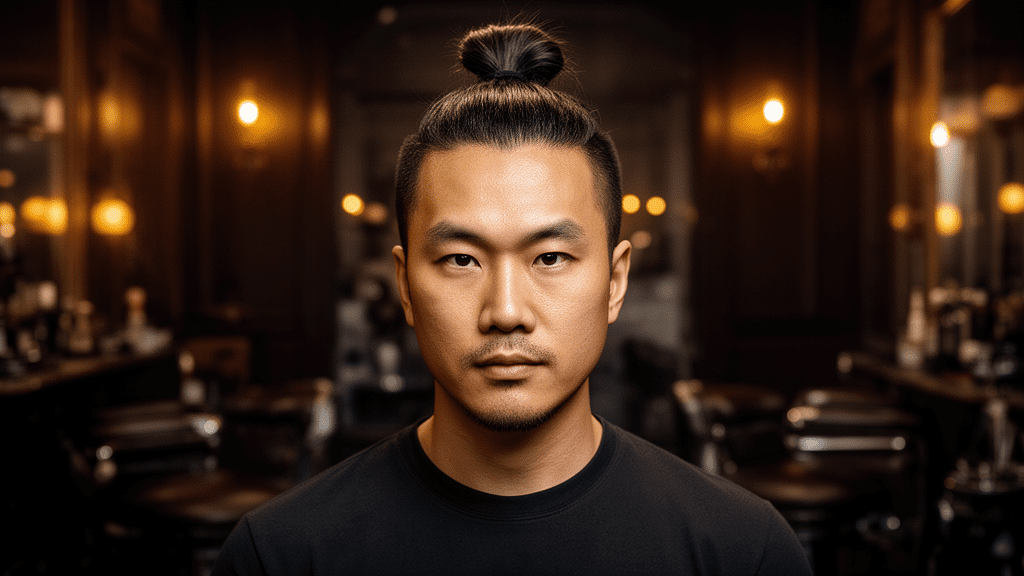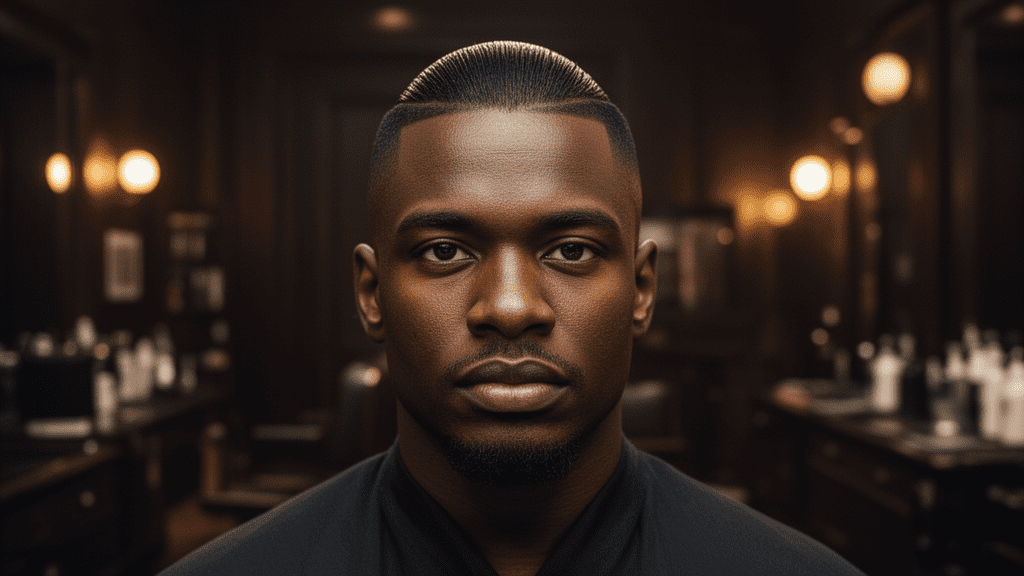

The bob hairstyle represents a cornerstone of modern hairdressing, a cut revered for its clean lines, sophisticated simplicity, and remarkable versatility. Since its widespread adoption in the early 20th century, this style has maintained continuous popularity, frequently re-emerging with contemporary adaptations. It is a true testament to its enduring appeal that the bob remains a chic, manageable, and highly adaptable choice for various occasions and personal preferences.
Defined by its precise cut, which typically falls around jaw-level, the bob has demonstrated an unparalleled capacity to evolve, seamlessly integrating into diverse fashion epochs while retaining its fundamental character. It is a haircut that conveys both refinement and understated confidence, suitable for a wide array of individuals and contexts.
The Historical Trajectory of the Bob
The genesis of the modern bob is largely rooted in the early 20th century, emerging as a definitive statement of liberation and modernity for women. While shorter hair on women existed previously, the bob gained significant cultural prominence in the 1920s, symbolizing a departure from the elaborate, restrictive hairstyles of prior eras. This period saw women embracing shorter cuts as an emblem of newfound social freedoms.
Influential figures such as the dancer Irene Castle are often cited for popularizing the bob in the United States, adopting the style for practical reasons. Subsequently, fashion icon Coco Chanel further cemented its status as a symbol of the independent modern woman. Its adaptability continued through the decades, from the geometric interpretations of the 1960s to the rebellious iterations seen in subsequent eras, demonstrating its consistent presence in evolving style narratives.
Defining the Bob Haircut
At its essence, a bob haircut is characterized by hair cut straight around the head, typically reaching chin or jaw length, often complemented by a fringe or bangs. The hallmark of the bob is its precision and the distinct outline it creates. However, its classic nature does not preclude a vast array of modifications, making it one of the most customizable haircuts available.
A Stylist can tailor a bob through various techniques, including blunt cutting, layering, angling, and texturizing, to complement individual face shapes, hair textures, and desired aesthetics. The fundamental structure allows for significant personalization, ensuring that the core “bob” identity is preserved while accommodating a diverse range of stylistic expressions.
Consulting for a Bob Hairstyle
When considering a bob, a detailed consultation with a Stylist is crucial to ensure the desired outcome. Clarity in communication will help in achieving a personalized and flattering result. It is advisable to approach the consultation prepared:
- Visual References: Providing images of preferred bob styles allows the Stylist to understand your vision accurately.
- Length Specification: Clearly articulate the desired length, whether it is a chin-length, collarbone-length, or a shorter variation such as a Micro Bob.
- Layering Intent: Discuss whether you prefer a blunt cut with no layers, which offers a sleek, uniform density, or a layered approach, which can introduce movement and reduce bulk.
- Angle and Shape: Consideration of the cut’s angle is important. Variations like an A-line or inverted bob create distinct silhouettes and framing effects around the face.
- Hair Texture Disclosure: Inform your Stylist about your natural hair texture (straight, wavy, curly, coily), as this significantly impacts how the bob will fall and its subsequent styling requirements.
During the service, the Stylist will employ precise cutting techniques, potentially incorporating point-cutting or slicing to soften lines and enhance movement. Open communication throughout the process is paramount to ensure satisfaction.
Exploring Bob Variations
The bob’s versatility is perhaps its most compelling attribute, manifesting in numerous distinct styles. Each variation offers a unique aesthetic:
- A-Line Bob: Characterized by a subtle graduation, where the hair is shorter in the back and gradually lengthens towards the front, creating a gentle A-shape.
- Graduated Bob (Inverted/Stacked): Features shorter, often stacked layers at the nape, building volume and creating a more pronounced angle that extends longer towards the front. This provides a more dramatic silhouette compared to the A-Line bob. A prime example is the Stacked Bob.
- French Bob: Typically chin-length, this style often includes a blunt or feathered fringe. It embodies an effortless, sophisticated charm. For specific details on this elegant cut, refer to the French Bob.
- Asymmetrical Bob: A contemporary variant where one side of the bob is noticeably longer than the other, creating a dynamic and striking visual. The Asymmetrical Bob is a notable expression of this style.
- Blunt Bob: A precise cut with no layers, resulting in a single, clean line around the perimeter of the hair. This style emphasizes density and a strong, graphic silhouette.
- Layered Bob: Incorporates various lengths within the cut to add movement, texture, and volume, suitable for a softer, more dynamic look.
- Flapper Bob: A historical style, often very short, with an accompanying blunt fringe, epitomizing the fashion of the 1920s. More information can be found on the Flapper Bob page.
Suitability and Considerations for a Bob
Determining the most appropriate bob style involves evaluating several factors to ensure it aligns with an individual’s characteristics and preferences.
Personal Lifestyle: The bob can range from relatively low-maintenance, requiring minimal styling, to demanding daily attention to maintain its precise form. A blunt bob may necessitate more styling to preserve its clean lines, while a layered or textured bob might air-dry effectively with specific products to enhance its natural movement. This adaptability makes it suitable for both busy professionals and those who prefer a more relaxed approach.
Face Shape: The bob is adaptable to most face shapes, with specific variations recommended to enhance features:
- Oval: This face shape is highly versatile and can accommodate virtually any bob style effectively.
- Round: An A-line bob or a bob with longer layers can elongate the face. Avoiding chin-length blunt bobs is often advised as they can accentuate roundness.
- Square: Softer layers, rounded edges, or a subtle angle can mitigate angular features.
- Heart: A chin-length bob paired with a side-swept fringe can help balance a wider forehead.
Regarding concerns about a bob making the face appear wider, selecting the correct length and layering can, in fact, create a slimming or balancing effect.
Hair Characteristics:
- Hair Length (Starting): Most bob styles require at least shoulder-length hair to begin, allowing for sufficient length to establish the defined cut.
- Hair Type:
- Straight: A blunt bob highlights the sleekness of straight hair, creating a sharp, modern appearance.
- Wavy: Layered or longer bobs, such as the Italian bob, enhance natural waves and encourage texture.
- Curly: A longer bob with carefully placed layers can prevent a triangular shape and define curls effectively.
- Coily: A Stylist experienced with coily textures can sculpt a bob that celebrates natural coil patterns, offering shape and definition without sacrificing volume.
- Hair Texture:
- Fine: A blunt cut or a lightly layered bob can create an illusion of greater density and volume.
- Medium: This texture offers the broadest flexibility for various bob styles.
- Thick: Strategic layering is beneficial for thick hair to remove excess weight and introduce movement.
Hair Health: A bob can serve as an excellent option for removing damaged ends, promoting healthier hair growth. When tailored appropriately, specific layering and styling methods can also lend the appearance of greater fullness to thinning hair.

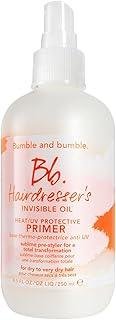
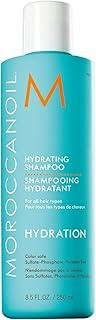
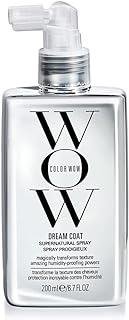
Maintaining the Bob Hairstyle
Effective maintenance is key to preserving the integrity and style of a bob haircut.
Washing Frequency: Over-washing can strip hair of natural oils. Typically, washing two to three times per week is sufficient to keep a bob clean and manageable without compromising hair health.
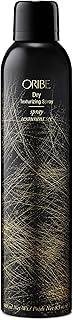
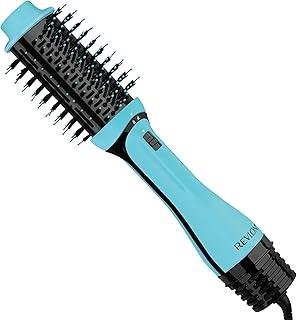
Drying Methods: For bobs that emphasize natural texture, air-drying can be an effective method. For sleeker or more voluminous bobs, blow-drying with a round brush can impart smoothness and shape. The perceived ease of styling a bob varies; some styles are inherently wash-and-go, while others demand more intentional effort.
Re-Trim Schedule: To maintain the precise lines and overall shape of the bob, and to prevent the development of split ends, regular trims every 6-8 weeks are generally recommended.
The Role of a Skilled Stylist
The expertise of a skilled Stylist is paramount in achieving a well-executed bob. It is advisable to seek a professional with a proven proficiency in precision cutting and an understanding of how different bob variations interact with diverse hair types and textures. A Stylist can also provide guidance on gracefully transitioning out of a bob, should the client decide to grow their hair longer, suggesting suitable trims and styling adjustments during the growth phase.
Notable Adherents of the Bob
Throughout its history, the bob has been embraced by numerous influential figures, solidifying its status as an iconic hairstyle:
- Louise Brooks: The silent film actress whose signature sleek, blunt bob became synonymous with the flapper aesthetic of the 1920s.
- Uma Thurman: Her sharp, chin-length bob in the film Pulp Fiction became an instantly recognizable and influential style.
- Anna Wintour: The editor-in-chief of Vogue, known for her consistent and distinguished bob, which has become a hallmark of her powerful public image.
- Rihanna: A consistent trendsetter, Rihanna has showcased various bob interpretations, ranging from polished and sophisticated to avant-garde and asymmetrical.
- Taylor Swift: In recent years, Swift has contributed to the bob’s resurgence, demonstrating its adaptability for both casual and formal settings.
These individuals underscore the bob’s capacity to transcend time and context, functioning not merely as a haircut but as a definitive personal statement.
Conclusion
The bob is unequivocally more than a transient fashion trend; it is a fundamental and enduring hairstyle. Its history of rebellion, coupled with its consistent evolution and adaptability, cements its position as a truly classic cut. Whether one seeks a style that is avant-garde or understated, the diverse world of the bob offers a suitable expression for a range of individual preferences and lifestyles, making it a perennially relevant choice.