
Dreadlocks, often referred to as locs or dreads, represent a distinctive and culturally rich hairstyle. This form of hair matting or braiding has been embraced across generations and cultures, signifying individuality, spiritual connection, and aesthetic expression. It is a style that requires commitment and specific care, evolving significantly from its initial formation to a mature state.
While dreadlocks hold profound roots in various cultures, including the Rastafari movement where they carry deep spiritual meaning, their popularity has expanded globally. They are now recognized as a versatile style adopted by individuals from diverse backgrounds, reflecting personal identity and pride. The enduring appeal of dreadlocks underscores their status as a significant and consistently relevant hairstyle.
Understanding Dreadlocks
Dreadlocks are formed by intentionally tangling or matting sections of hair into rope-like strands. This process can be initiated through methods such as backcombing, twisting, or coiling, or by allowing hair to naturally knot over time. The fundamental aspect is the deliberate cultivation of these strands, leading to a unique and textured appearance.
Unlike transient hairstyles, dreadlocks represent a long-term commitment to a particular hair structure. Their appearance can range from uniform, precisely maintained locs to a more organic, freeform aesthetic. Barbers specializing in textured hair or locticians are adept at creating and maintaining these styles, often employing terminology that describes specific techniques like coiling or palm-rolling. For clarity during consultation, visual references are highly beneficial.
Initiating Dreadlocks: A Consultation Guide
For those considering dreadlocks, a detailed consultation with an experienced barber is essential. Communicating your desired outcome and understanding the process will ensure satisfaction with the final style.
- Visual References: Provide clear images of the exact dreadlock style you envision, including various angles. This aids in conveying your aesthetic preferences accurately.
- Starting Hair Length: Dreadlocks naturally condense as they mature. To achieve shoulder-length locs, a starting hair length of at least 8 to 10 inches is often recommended. Shorter hair can be locked, but the resulting length will be considerably shorter.
- Method Selection: Discuss the various locking techniques. Backcombing typically yields a tighter, more uniform initial look, while twisting and palm-rolling are gentler methods often used for starter locs. Freeforming allows for natural matting with minimal intervention, resulting in a unique and unpredictable outcome.
- Sectioning: The size of hair sections directly influences the thickness of individual locs. Larger sections create thicker locs, whereas smaller sections result in finer ones. Your hair density and desired aesthetic should guide this decision.
- Maintenance Commitment: Be forthright about your willingness to dedicate time to upkeep. A skilled barber or loctician can advise on a maintenance regimen that aligns with your lifestyle.
Dreadlock Variations
Dreadlocks offer a range of stylistic possibilities:
- Traditional Dreads: Characterized by uniform size and meticulous maintenance, these are the classic representation of dreadlocks, often requiring regular palm-rolling and tightening.
- Freeform Dreads: These locs embrace natural locking, varying in size, shape, and direction. They necessitate minimal manipulation, celebrating organic growth and individuality.
- Sisterlocks/Brotherlocks: These are specialized, trademarked techniques that produce very small, uniform locs. Sisterlocks typically involve a unique interlocking tool and require professional maintenance by certified practitioners.
- Faux Locs: A temporary protective style created by wrapping synthetic or human hair around natural hair, offering the appearance of dreadlocks without the long-term commitment.
- Dread Extensions: This method involves adding human or synthetic hair to existing locs to increase length or volume.
Distinguishing Dreadlocks from Similar Styles
Dreadlocks are distinct from other protective styles such as Box Braids or Cornrows. While all involve manipulating hair for style and protection, dreadlocks are formed by matting hair permanently, whereas braids and cornrows are temporary plaited structures. The intentional tangling process of dreadlocks results in a unique, consolidated form, often requiring specialized care compared to the periodic re-braiding of other styles.
Suitability for Dreadlocks
Dreadlocks are a versatile style, adaptable to various personal attributes and preferences:
- Lifestyle: Dreadlocks can be managed with either high or low maintenance, depending on the chosen method and desired neatness. Freeform locs are low-manipulation, while meticulously maintained styles require regular professional attention. They are well-suited for an active, low-maintenance lifestyle or for those who wish to make a bold statement.
- Face Shape: This style generally complements oval, heart-shaped, and square face shapes. The volume and length of dreadlocks can provide balance for longer faces and soften angular features. For round faces, adding volume at the crown can help to elongate the facial profile.
- Personality: Dreadlocks often resonate with free-spirited, artistic, confident, or edgy personalities. They serve as a powerful medium for self-expression and distinctiveness.
- Hair Characteristics:
- Length: The final length of dreadlocks can vary from a few inches to several feet, with an ideal starting length of 6-8 inches for easier initial locking.
- Hair Type: Dreadlocks can be formed on various hair types, including curly, coily, and even straight hair, though straight hair may require more effort to maintain the locked state.
- Hair Texture: Medium to coarse hair textures typically hold dreads most effectively. Fine hair can also be dreaded but may necessitate more precise sectioning and maintenance.
- Hair Health: While dreadlocks are a protective style, it is crucial to begin with healthy hair. If hair is thinning, consulting with a loctician is advisable to ensure appropriate techniques are used to prevent further damage.
- Cultural Contexts: Dreadlocks possess deep cultural and historical significance, particularly within African and Rastafarian traditions, often embodying spiritual and ancestral connections. They are also prevalent in various subcultures globally, symbolizing rebellion or nonconformity.

Maintaining Dreadlocks
Effective maintenance is crucial for the health and appearance of dreadlocks.
Addressing Moisture and Scent
Dreadlocks can retain moisture, potentially leading to a musty odor. To mitigate this, ensure thorough drying after washing. Regular use of clarifying cleansers helps prevent product buildup, and avoiding overly heavy or oily formulations can reduce residue accumulation. Prompt and complete drying is paramount.
Finding a Qualified Professional
Given the specialized nature of dreadlocks, selecting an experienced barber or loctician is paramount. Seek recommendations, review their portfolio of work, and engage in a comprehensive consultation to ensure their expertise aligns with your needs for dreadlock creation and maintenance. Professionals specializing in curls and textured hair are often well-suited.
Age and Perception
Dreadlocks transcend age boundaries and societal perceptions. They can be styled to present a sophisticated and elegant aesthetic for any age group. The key lies in choosing a style and maintenance routine that harmonizes with one’s personal lifestyle and professional context.
Transitioning Out of Dreadlocks
Removing dreadlocks is a laborious and potentially damaging process. If long-term commitment is a concern, temporary alternatives such as faux locs or dread extensions may be considered. Should you decide to remove your locs, professional assistance is highly recommended to minimize hair breakage and preserve hair health.
Dreadlocks in Popular Culture
Dreadlocks have profoundly impacted popular culture, appearing on numerous notable figures and fictional characters. Bob Marley remains an iconic symbol, globally representing peace, reggae music, and the spiritual significance of dreadlocks. Whoopi Goldberg’s sustained choice of locs exemplifies their suitability for diverse age groups, while characters like Trinity from The Matrix have showcased their adaptability to sleek, futuristic aesthetics. This presence in media underscores their role as a statement of individuality, cultural pride, and rebellious spirit.
Ongoing Care and Longevity
Consistent care is vital for healthy and vibrant dreadlocks:
- Washing Schedule: Cleanse your locs every 1 to 2 weeks using a suitable dreadlock-specific shampoo.
- Drying Protocols: Air drying is preferred to prevent heat damage. If using a hairdryer, employ a low heat setting with a diffuser attachment to protect the locs.
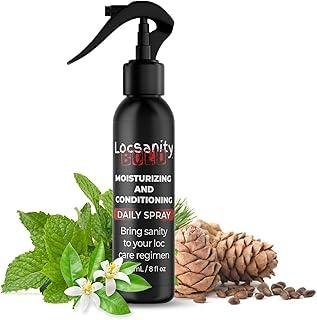
- Maintenance Products: Utilize shampoos designed to remove buildup without stripping moisture, and conditioners formulated to hydrate and strengthen locs. Locking gels or waxes can assist in defining and tightening new growth.
- Professional Retwisting: Schedule appointments with your barber or loctician every 4 to 6 weeks for retwisting and maintenance of new growth.
Frequently Asked Questions
- Do dreadlocks damage your hair? If installed and maintained correctly, dreadlocks should not cause significant damage. However, neglect or improper care can lead to breakage and thinning.
- Can dreadlocks be formed on straight hair? Yes, dreadlocks can be cultivated on straight hair, though it may require more consistent effort and specific techniques to encourage and maintain the locked state.
- How long does the locking process take? The time required for hair to fully lock can vary from 6 months to 2 years, influenced by hair type and the chosen locking method.
- Is it possible to undo dreadlocks? Yes, dreadlocks can be undone, but it is a time-consuming and delicate process that may result in hair breakage. Professional consultation is advised for the best outcome.
- How should one sleep with dreadlocks? Protecting dreadlocks with a satin scarf or bonnet during sleep helps minimize frizz and prevents breakage.
Dreadlocks are more than merely a hairstyle; they are an embodiment of personal journey, cultural reverence, and distinct self-expression. Their textured appearance and evolving nature make them a profound choice for those seeking a style with depth and character.