
Introduction
The Jheri Curl, a hairstyle that defined an era, is characterized by its glossy, loosely curled hair and distinctive wet-look sheen. This chemically processed style offers a bouncy and often voluminous silhouette. Hugely popular in the 1980s, particularly among African Americans, it remains a recognizable retro style, though its high maintenance and chemical intensity mean it is less common today. This guide explores the Jheri Curl, from its origins to its contemporary appeal.
Origins
The Jheri Curl was developed in the late 1970s by Kenneth I. Phipps. His company, Jheri Redding Products, introduced this innovative process, enabling individuals with tightly coiled hair to achieve a looser, permanently waved appearance. This invention marked a significant cultural and stylistic shift, allowing for a new form of expression within the curls-textured-hair category.
Understanding the Jheri Curl
At its core, the Jheri Curl is a two-part chemical process designed to permanently alter the hair’s natural structure. Initially, a softening agent, or relaxer, is applied to loosen the existing curl pattern. Following this, the hair is set on rollers to form the desired curl shape, which is then secured with a permanent wave solution. The outcome is a cascade of defined, lustrous curls that possess a notable shine, often referred to as a “wet look perm.” The fundamental principle involves creating a permanent wave that maintains its form.
Consulting a Barber
Achieving an authentic Jheri Curl requires the expertise of a skilled barber. When discussing this style, it is important to communicate specific expectations. Requesting “loose, defined curls with a natural-looking sheen” helps clarify the desired aesthetic, avoiding an over-processed result. Barbers will also consult on appropriate length to best showcase the curls and the suitability of the chemical softening process for the individual’s hair type.
Variations
Over time, the Jheri Curl has inspired various interpretations:
- The S-Curl: A milder chemical application results in looser, more natural-looking waves.
- The Modern Jheri Curl: This adaptation often integrates a fade on the sides and back, presenting a contemporary contrast to the curls on top.
- The Texturized Look: This approach focuses on enhancing existing curl patterns rather than undertaking a full chemical transformation.
- The Colored Jheri Curl: The addition of hair color can create a bold, personalized statement.
These variations allow for customization in curl intensity, maintenance commitment, and overall visual impact. Modern techniques often utilize cold waves and texturizers, differing from the original chemical formulas.
Suitability
The Jheri Curl is a distinctive style requiring specific considerations.
- Personal Lifestyle: It is a high maintenance style, demanding rigorous daily product application, primarily curl activators and moisturizers, and chemical upkeep. It is ideal for those who are committed to this routine.
- Face Shape: The volume and soft curves typically complement oval, heart, and oblong face shapes, adding width to narrower profiles and balancing prominent jawlines.
- Personality: This style is often favored by confident, expressive, and creative individuals who are prepared for a look that commands attention.
- Hair Length: A starting length of at least 3 to 4 inches is recommended to allow for proper curl formation. Medium to long lengths generally best display the style.
- Hair Type and Texture: The Jheri Curl is optimally suited for curly to kinky hair types, particularly those with medium to coarse textures, as these tend to hold the permanent wave more effectively. Fine hair may present challenges in both curling and retention.
- Hair Health: Due to the chemical processing involved, the Jheri Curl is not advisable for individuals with thinning hair or compromised scalp conditions, as the process can exacerbate these issues. A consultation with a barber or dermatologist is recommended prior to proceeding.
Historically, the Jheri Curl held immense cultural significance within the African American community, and its legacy remains.
Essential Care
Maintaining the Jheri Curl’s signature look requires diligent care.
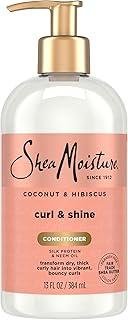
- Hydration: Daily application of a quality curl activator and moisturizer is paramount to prevent dryness and maintain the curls’ lustre.
- Protection: Using a silk or satin pillowcase, or wrapping the hair in a silk or satin scarf, is advisable to minimize moisture loss and friction damage during sleep.


Cultural Impact and Iconic Figures
The Jheri Curl transcended mere hairstyle, becoming a powerful symbol in 1980s pop culture. Iconic figures who popularized the style include:
- Michael Jackson: The King of Pop’s Jheri Curl became synonymous with his groundbreaking image.
- Lionel Richie: Another musical luminary who embraced the style.
- Ice Cube: In his early career, Ice Cube’s high-top Jheri Curl was a notable element of his aesthetic.
- The Cast of Coming to America: This classic film showcased numerous memorable Jheri Curl looks, further solidifying its presence in popular culture.
Their influence established the Jheri Curl’s enduring status as a retro and culturally significant hairstyle.
Maintenance Routine
A consistent routine is vital for preserving the Jheri Curl.
- Washing: Wash hair 1 to 2 times per week using a moisturizing shampoo.
- Drying: Air drying is preferred to mitigate heat damage. If a diffuser is used, a low heat setting is recommended.
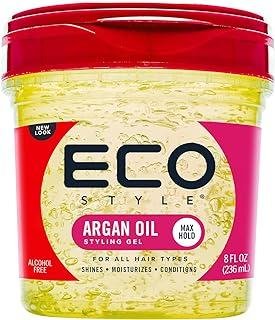
- Styling Products: Regular use of curl activator, moisturizer, and a light-hold gel or spray is essential. Heavy products should be avoided to prevent weighing down the curls.
- Trimming: Schedule trims every 6 to 8 weeks to maintain shape and remove split ends.
- Re-Perm: Depending on hair growth and curl retention, a re-perm is typically required every 3 to 6 months.
Frequently Asked Questions
- Is the Jheri Curl damaging? The chemical process can cause damage if not performed correctly or maintained meticulously. A skilled barber and consistent hydration are crucial.
- Can a Jheri Curl be applied to relaxed hair? While technically possible, it is not advisable due to the hair’s already chemically processed state, which increases the risk of breakage.
- How long does a Jheri Curl last? The chemical curl is permanent, but new hair growth will emerge with its natural texture, necessitating regular re-perms to maintain the style uniformly.
- What is the distinction between a Jheri Curl and an S-Curl? An S-Curl typically involves a milder chemical application, resulting in looser waves compared to the more pronounced curls of a traditional Jheri Curl.
- How can dryness be prevented? Daily application of a quality moisturizer and curl activator is essential for hydration.
- Is swimming advisable with a Jheri Curl? Chlorine can strip moisture and damage hair. Wearing a swimming cap or thoroughly rinsing hair immediately after swimming is recommended.
- Is the Jheri Curl exclusively for Black hair? While historically associated with Black hair, individuals of any ethnicity with suitable hair texture may consider a Jheri Curl, following a professional consultation.
Conclusion
The Jheri Curl, though rooted in the 1980s, maintains its status as an iconic and powerful style. It is a bold statement that, when expertly executed and diligently maintained, offers a striking and voluminous appearance. The commitment to its rigorous upkeep is significant, but the resultant glossy, defined curls can be truly remarkable.