Introduction
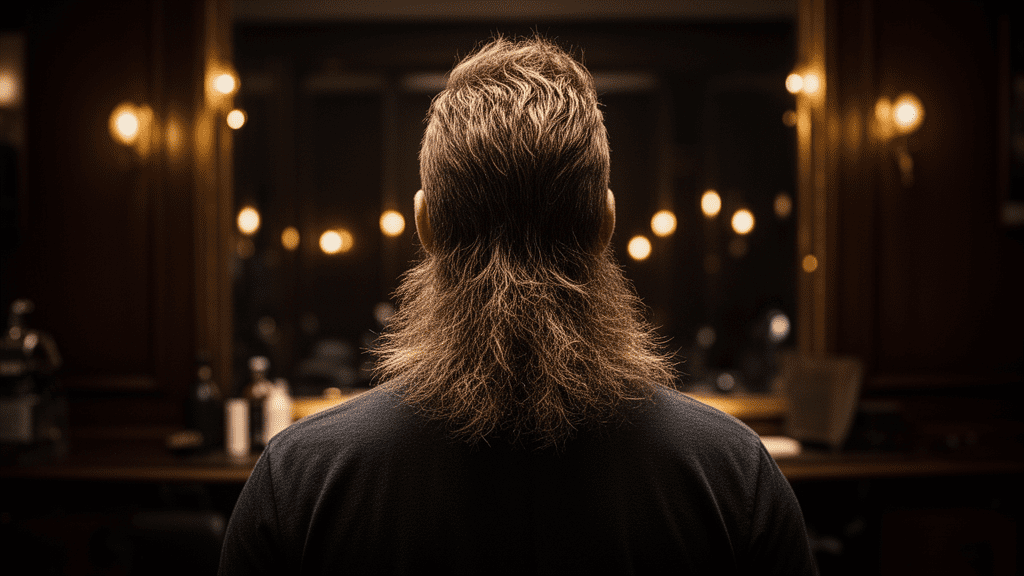
The mullet stands as a distinctive and often discussed hairstyle, characterized by its contrasting lengths: shorter on the top and sides, and notably longer at the back. This iconic cut, while historically tied to specific eras, has experienced a significant contemporary resurgence, demonstrating its enduring appeal as a vehicle for self-expression. It offers a bold, unconventional aesthetic that blends short and long elements, appealing to those seeking a unique and currently trendy look. What was once seen purely as a retro statement has evolved into a versatile modern style. This modern revival, particularly noted among younger demographics since the late 2010s, signals a shift towards embracing individuality and a challenging of conventional norms.
Historical Context
The foundational concept of shorter hair at the front and sides with extended length in the back is not new. Historical records suggest similar styles were present in various ancient cultures, potentially for practical reasons like keeping hair out of one’s eyes while offering warmth for the neck. Its most recognizable form, however, became globally prominent during the 1970s and 1980s, donned by musicians and athletes alike. Following a period of diminished popularity in the 1990s, the mullet has re-emerged from the late 2010s into the 2020s, reimagined with softer lines and textured variations, solidifying its place in modern fashion.
Defining the Mullet
At its core, the mullet is defined by a clear distinction in hair length. The front and top sections are typically kept shorter, often with various degrees of layering or texture, while the hair at the nape of the neck is left considerably longer. This deliberate contrast is the signature characteristic, creating a look that can be both refined and rebellious depending on the execution. When consulting with a barber, clarity in describing the desired length transitions and overall silhouette is paramount.
Requesting the Cut
Communicating your vision to a barber is crucial for achieving the desired mullet.
- Visual References: Providing clear images of mullets that align with your aesthetic preference is highly effective. This helps convey desired length, texture, and overall shape.
- Style Intent: Articulate the specific vibe you are aiming for, whether it is a subtle modern interpretation or a more pronounced, classic edgy expression.
- Length Specifications: Discuss precise lengths for the front, sides, and back. A skilled barber will consider your face shape and hair texture to advise on optimal proportions.
- Side Treatment: Options for the sides include a clean, gradual blend, a sharp undercut, or a distinct tapered sides finish. Discuss these variations to refine the perimeter of the cut.
- Professional Guidance: Be receptive to your barber’s professional recommendations. Their expertise regarding hair type, growth patterns, and face shape can enhance the outcome.
Mullet Variations
The adaptability of the mullet allows for numerous contemporary interpretations:
- Modern Mullet: This version features softer transitions between lengths, often incorporating layered tops and a more graduated length in the back, resulting in a less extreme appearance.
- Shag Mullet: Blends the distinct length contrast of a mullet with the signature layered, voluminous texture of a shag haircut, offering dynamic movement.
- Curly Mullet: Embraces natural curl patterns, allowing the longer back section to showcase texture and volume, creating a playful yet impactful style.
- Undercut Mullet: Characterized by closely shaved or buzzed sides with a clear demarcation from the longer top and back sections, emphasizing a dramatic, disconnected profile.
Suitability and Lifestyle
The mullet is a versatile style that can be adapted for a wide range of individuals, appealing to those seeking a bold, unconventional, and currently trendy haircut that allows for significant self-expression.
- Lifestyle: While it demands some routine styling to maintain its distinctive shape, it is not excessively high maintenance. It is often embraced by individuals leading active lifestyles who appreciate a statement-making look. Understanding how the cut appears from various angles is important for daily confidence and styling.
- Face Shape: Mullets can complement various face shapes. Oval and square faces often benefit from the additional width and volume the cut can provide. For round or heart-shaped faces, careful tailoring of the top and side lengths can create balance.
- Personality: Individuals who possess a confident, individualistic, and adventurous spirit often gravitate towards the mullet, as it serves as a distinct personal statement.
- Hair Characteristics: The mullet is achievable across different hair types, including straight, wavy, and curly. Fine hair can gain a sense of volume and movement, while thicker hair can be strategically layered to reduce bulk and enhance the shape. A barber will assess hair density and texture to optimize the cut.
Maintaining the Mullet
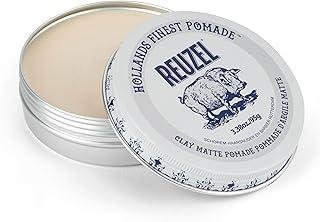
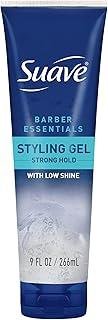
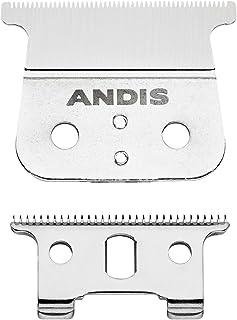
Preserving the integrity of a mullet requires consistent care:
- Washing Schedule: A washing routine of 2-3 times per week is generally sufficient, preventing excessive oil buildup without stripping natural moisture.
- Drying Techniques: Air drying can accentuate natural texture, particularly for wavy or curly variations. When blow-drying, using a diffuser can help manage frizz and enhance definition.
- Regular Trims: To maintain the distinct shape and prevent the back section from becoming unruly, schedule trims approximately every 4-6 weeks.
Transitioning from a Mullet
Should the desire for a different style arise, the mullet can be transitioned gracefully. Consult with your barber about options such as gradually blending the longer back section into a more uniform length or opting for a shorter, more consistent overall cut. This ensures a smooth evolution of your hairstyle.
Cultural Impact
The mullet’s presence in popular culture is undeniable. From its prominent display by musicians and actors in the 1980s to its modern-day adoption by contemporary icons, it has consistently served as a symbol of defiance and evolving style. Its ability to transcend eras and cultural contexts underscores its lasting impact as a statement haircut.
Mullet Frequently Asked Questions
- Has the mullet returned to popularity? Yes, the mullet has experienced a significant resurgence in appeal since the late 2010s, evolving into varied modern forms.
- Is the mullet suitable for professional environments? The appropriateness of a mullet in professional settings largely depends on the specific industry and workplace culture. A more subtly styled, modern mullet may be acceptable where creative expression is tolerated.
- What face shapes are most complemented by a mullet? Oval and square face shapes are often ideal, though skilled barbers can adapt the style to flatter other facial structures.
- How is a mullet typically styled? Styling varies based on hair type and desired aesthetic. It generally involves enhancing texture on top and maintaining the defined length at the back.
- What is the typical timeframe to grow a mullet? Achieving a noticeable mullet length can take several months, depending on individual hair growth rates and the desired extent of the back section.
- What differentiates a mullet from a shag? The mullet features a clear, intentional contrast between short front/sides and a distinctly longer back. A shag, conversely, is characterized by numerous layers throughout the entire head, creating a softer, more uniformly voluminous effect.
- Is the mullet a unisex style? Absolutely. The mullet is embraced by individuals of all genders, offering a powerful option for unisex expression.
Conclusion
The mullet remains a potent symbol of individuality and stylistic defiance. Its journey from a historically functional cut to a prominent contemporary fashion statement reflects its capacity for continuous evolution. For those ready to embrace a hairstyle that communicates confidence and a distinct point of view, the mullet offers an unequivocal declaration.