
Introduction
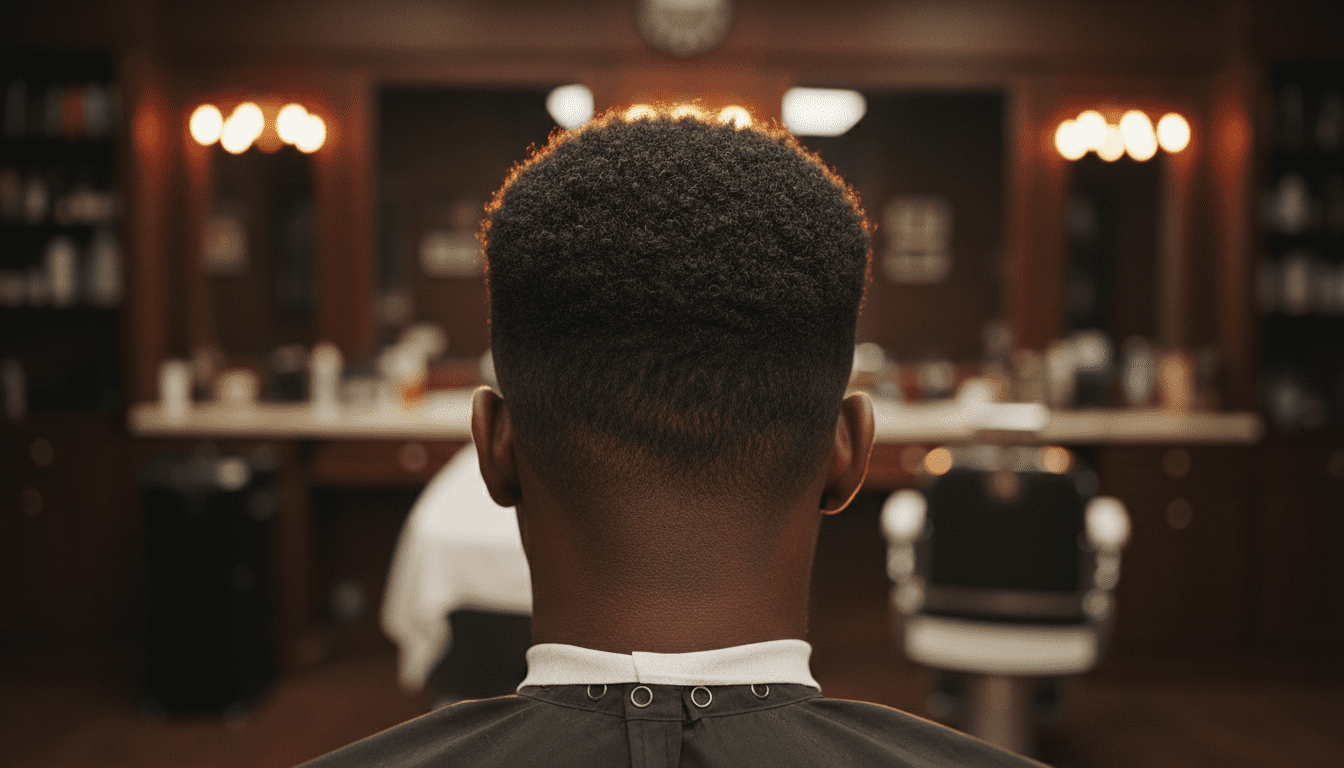
The hair trim, an often underestimated yet fundamental aspect of grooming, serves as the cornerstone for maintaining both hair health and aesthetic integrity. Far from being a mere casual snip, a professional trim is a precise service designed to preserve a haircut’s intended shape, mitigate damage, and ensure a consistently polished appearance. This essential practice transcends fleeting trends, providing foundational care that is critical for any individual committed to the longevity and quality of their hairstyle.
Regular trimming is a universal need, firmly integrated into the routines of those who prioritize precision, hair vitality, and a consistently refined look. It is an indispensable component of comprehensive hair care, contributing significantly to a well-maintained presentation across all hair lengths and types.
Historical Context of Hair Maintenance
The practice of hair cutting dates back millennia, with ancient civilizations employing rudimentary tools for reasons of hygiene and order. The modern concept of the ‘trim’ as a dedicated maintenance service, distinct from a comprehensive haircut, evolved with the increasing sophistication of hairstyles and a deeper understanding of hair biology. Historically, barbers and stylists transitioned from simple cutters to custodians of both style and hair health.
For generations, consistent trimming was recognized as vital for cultivating strong, healthy hair and enduring styles. This practice symbolized discipline and meticulous attention to personal grooming. While trends such as growing hair out have at times overshadowed its importance, the trim has consistently remained, serving as the silent guardian of optimal hair condition. Its resurgence in relevance today underscores its timeless necessity and its unmatched capacity to preserve and enhance any hairstyle, from contemporary to classic styles.
Securing a Professional Hair Trim
Achieving an optimal hair trim involves clear communication and selecting a skilled barber. Consider the following guidelines:
- Select a Qualified Barber: Prioritize a barber with proven experience in various hair types and styles. Inquire about their approach to maintenance cuts to ensure their expertise aligns with your needs.
- Articulate Your Requirements: Clearly state your intention for a trim. Specificity is key: articulate whether you wish to maintain current length while refining edges, or if you are growing out your hair and require shape preservation and the removal of split ends. Visual aids, such as reference photographs, can be highly beneficial.
- Manage Length Expectations: Understand that a trim inherently involves the removal of some hair length, even if minimal. Discuss the precise amount you are comfortable losing with your barber.
- Engage with the Process: A professional trim necessitates precise sectioning and meticulous cutting. Trust the barber’s expertise to maintain the integrity of your hairstyle.
Open dialogue with your barber regarding your hair growth objectives is recommended. A proficient barber can provide tailored advice on the optimal trimming frequency to achieve and maintain your desired length and health.
Distinctions in Trimming Techniques
While the primary objective of a trim remains hair preservation, several variations exist to address specific needs:
- Dusting: This is a minimal trim, typically removing a quarter-inch or less, focusing exclusively on the removal of split ends without significantly altering overall length.
- Shape-Up/Line-Up: Predominantly applied to shorter haircuts and fades, this technique centers on refining the perimeter of the hairline, neck, and sideburns using clippers or a straight razor to achieve clean lines.
- Maintenance Trim: A more comprehensive trim designed to refresh the entire haircut, re-establishing layers, weight distribution, and the overall silhouette as the hair grows.
- Beard Trims: A distinct, yet equally important, form of trimming dedicated to preserving the shape, length, and health of facial hair.
The efficacy of a trim lies in selecting a barber who comprehends your specific hairstyle and its growth patterns, thereby delivering a tailored service.
Applicability of the Hair Trim
A hair trim is a universally beneficial service, forming the foundation for healthy hair and sustained style. It is an efficient process that yields significant benefits.
Lifestyle Integration: Trims are a practical and essential component of any grooming regimen. They are suitable for individuals with demanding professional lives, athletes, or anyone who values a consistently neat appearance.
Face Shape Compatibility: A trim complements all face shapes. Its purpose is to maintain the framework established by the initial haircut, ensuring the style continues to flatter facial features as hair grows.
Personality Alignment: Individuals who value neatness, organization, and a polished presentation will find regular trims align perfectly with their preferences, representing a pragmatic grooming choice.
Hair Characteristics:
- Length: Trims are vital for all hair lengths, from very short fades to extended styles.
- Initial Length: Applicable to any hair length, as the focus is on maintenance or refinement during growth.
- Type: A skilled barber can execute a precise trim on straight, wavy, curly, or coily hair. It is particularly crucial for managing frizz in textured hair and split ends in straight hair.
- Texture: Fine, medium, thick, or coarse hair textures can all be effectively maintained through a barber’s adapted technique.
- Health: Trims are paramount for hair health, removing split ends to prevent further damage and breakage along the hair shaft. They are suitable for most hair and scalp types, often leading to improved condition.
Cultural Relevance: Hair trimming, in its diverse forms, is a practice that transcends ethnic and cultural boundaries. From the meticulously maintained fades in modern barber shops to traditional hair rituals in various societies, the act of precise hair cutting for health and aesthetic enhancement is universal. It is associated with individuals who value personal presentation and hair vitality, regardless of background.
Post-Trim Hair Management
Effective hair care extends beyond the trim itself, incorporating deliberate practices to maintain hair health.
Nurturing After a Trim
Following a trim, it is advisable to continue with your established washing and conditioning routine. The trim provides a renewed foundation; consistent nourishment is crucial to prevent the recurrence of damage and protect against environmental factors.
The Importance of a Consistent Barber
Locating a barber who thoroughly understands your specific hair type, desired style, and growth patterns is paramount for consistent trimming success. Consistency with one professional ensures they develop an intimate knowledge of your hair’s unique characteristics, facilitating optimal maintenance over time. This expertise is particularly valuable for maintaining a precision-cut or intricate layering.
The Benefits of Occasional Trimming
Even without adhering to a strict re-trim schedule, an intermittent trim offers significant advantages. It serves to revitalize the hair, eliminate accumulated damage, and refresh the overall style, acting as a crucial reset for hair health and appearance.
Cultural Impact and Iconography
The impeccable appearance of public figures, celebrities, and athletes often owes credit to regular trims. While less dramatic than a complete style transformation, the consistently sharp edges of a perfectly executed fade, the refined silhouette of a bob, or the healthy flow of long hair are direct testaments to the efficacy of consistent trimming. It functions as the foundational element, ensuring that all other hairstyles maintain their optimal form and health.
Maintenance and Style Longevity
A trim plays a pivotal role in extending the life of a haircut. By eliminating split ends, it prevents damage from progressing up the hair shaft, thereby allowing hair to grow longer and healthier without appearing frayed.
- Washing Protocol: Continue washing your hair as per your regular routine, utilizing products appropriate for your hair type.
- Drying Methods: Employ gentle drying techniques, such as patting, air drying, or low-heat blow-drying, to safeguard the health of freshly trimmed ends.
- Recommended Re-Trim Intervals: The ideal schedule varies based on hair type and desired style:
- Short Hair/Fades: Every 2-4 weeks to preserve crisp lines and shape.
- Medium Length Hair: Every 6-8 weeks to maintain the style’s structure and remove split ends.
- Long Hair: Every 8-12 weeks to eliminate split ends and promote overall health, particularly for those growing out their hair.
Frequently Asked Questions (FAQs)
- Does trimming accelerate hair growth? Trimming does not inherently increase growth speed. Instead, it removes compromised ends, which prevents breakage and consequently allows hair to retain length more effectively, creating the appearance of faster, healthier growth.
- What is the recommended frequency for trims? This depends on the specific haircut and individual hair growth rate, but typically ranges from every 4 to 8 weeks for most styles.
- What differentiates a trim from a full haircut? A trim’s primary objective is to maintain an existing style and remove minimal length or damage. A haircut generally involves a more substantial alteration in length, shape, or overall style.
- Can a trim alleviate frizz? By removing damaged, porous ends, a trim can effectively reduce frizz and enhance overall hair manageability.
- Is self-trimming advisable? While rudimentary end trims may be attempted at home, maintaining complex styles or fades is best entrusted to a skilled professional to ensure precision and prevent unintended results.