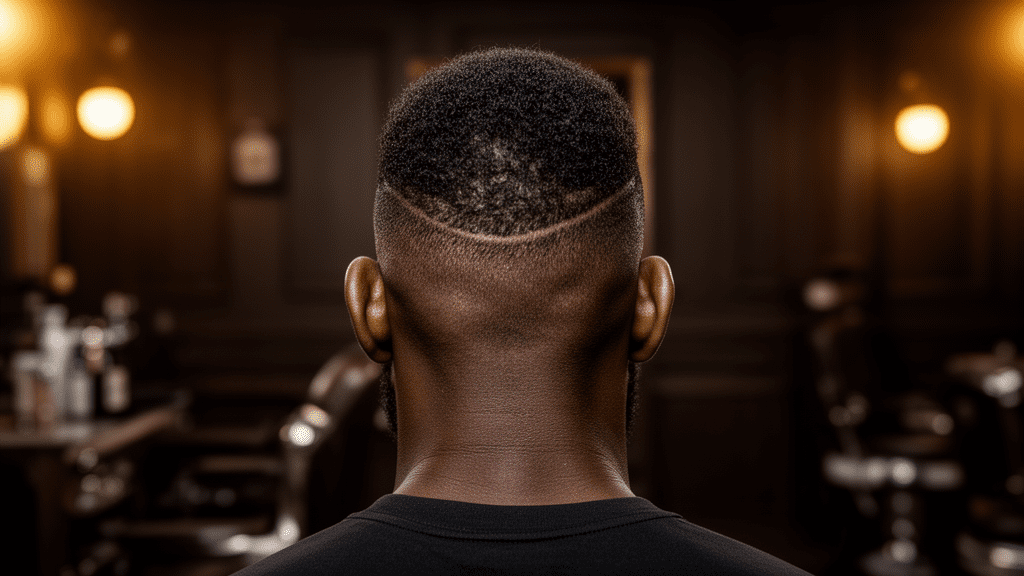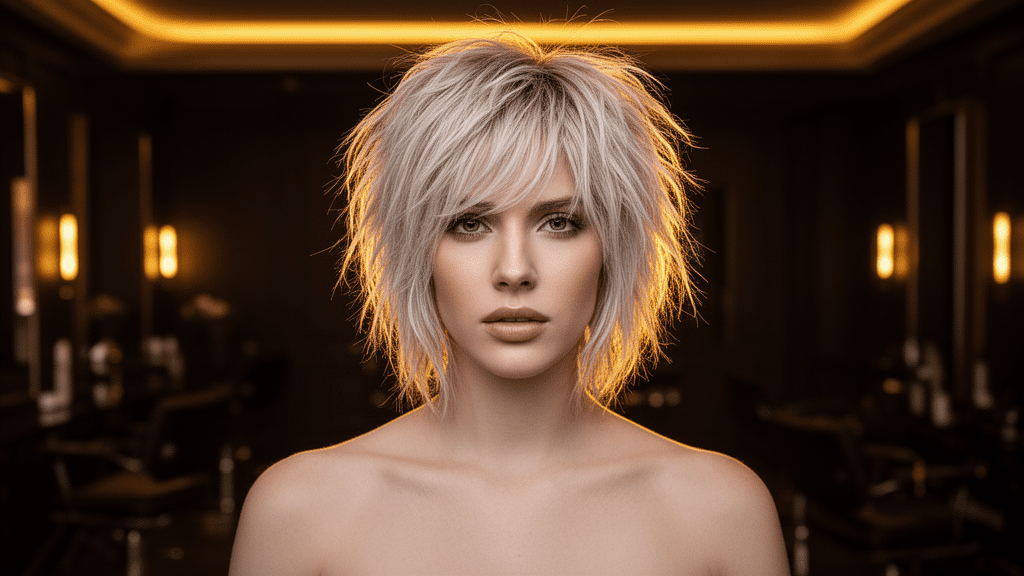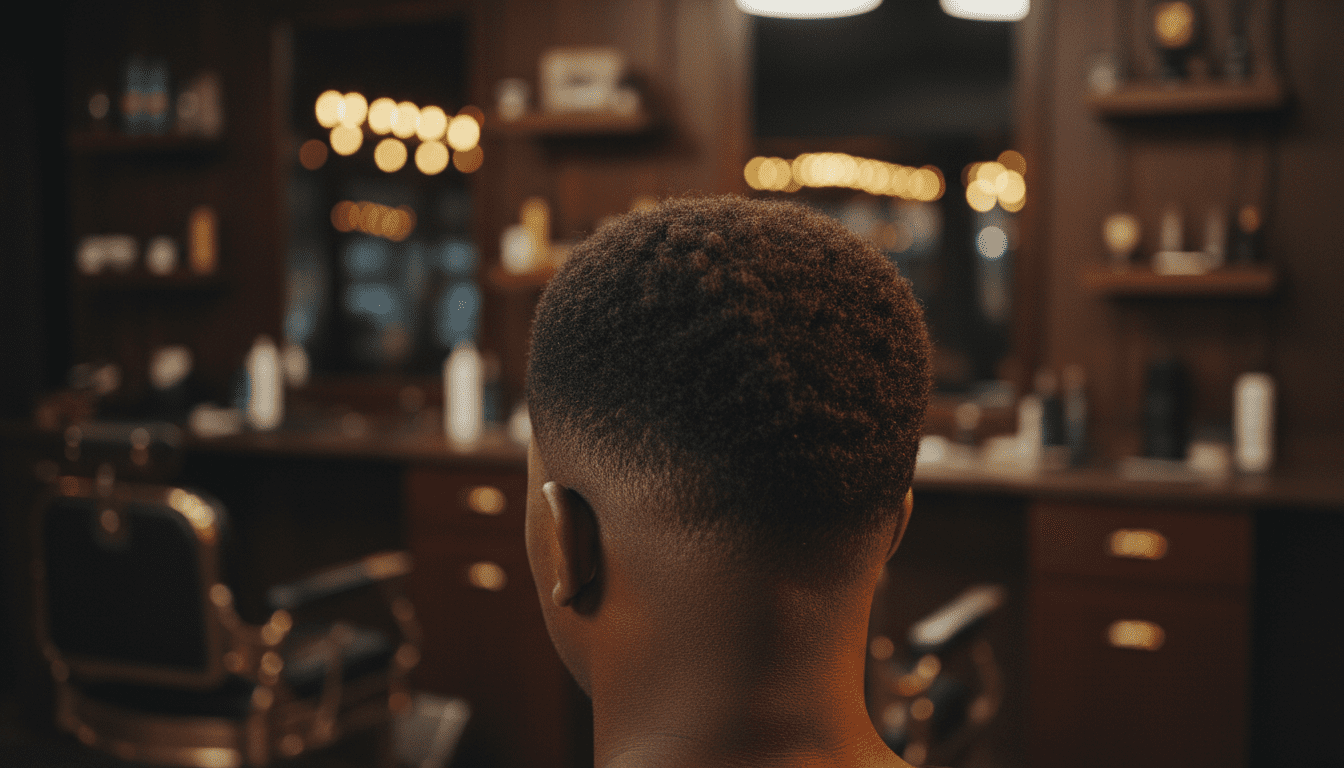

The V-Cut Layers represent a classic approach to shaping longer hair, offering both movement and visual depth. This distinctive layering technique is characterized by hair that is cut to form a V-shape at the back, with layers typically starting longer at the front and gradually shortening towards the apex of the ‘V’. It remains a consistently popular choice, especially throughout the 2000s and 2010s, and continues its appeal into the 2020s as a go-to option for those with medium to long hair. The enduring popularity of the V-Cut is rooted in its flattering silhouette and its ability to add significant movement and volume without compromising overall length. It is ideal for individuals seeking an effortlessly polished look that enhances natural texture, appealing to a desire for both flow and low maintenance. This style is often found within the broader category of Women’s Hairstyles.
Historical Context and Contemporary Relevance
While the V-Cut layering technique has a long history, its prominent resurgence in contemporary trends has been notably influenced by various cultural touchstones, including its adoption by figures in popular music and digital media. This visibility has underscored the style’s adaptability and its capacity to convey a sense of individuality and polished sophistication, whether presented in sleek, defined forms or softer, more dynamic expressions. The V-Cut continues to be celebrated for its versatility, seamlessly transitioning between casual and formal aesthetics.
Understanding the V-Cut Structure
Fundamentally, the V-Cut is a specific application of layered hair design. It involves cutting the hair so that the longest point is centered at the back, with the hair gradually shortening towards the sides, thereby creating a pronounced “V” silhouette. This technique skillfully incorporates internal layers that progressively increase in length from the front to the back. The objective is to produce a cascading effect that enhances volume, introduces dynamic movement, and provides a distinct, elegant shape to the overall style. While stylists may use terms like “stacked layers” or “long layered trim with face-framing” to describe elements of this cut, clarity on the desired “V” formation is paramount during consultation.
Consulting with Your Stylist
Achieving the optimal V-Cut requires a clear dialogue with your stylist. Consider the following points for an effective consultation:
- Visual References: Presenting photographic examples of V-Cuts that align with your aesthetic preference is highly recommended. These visuals should illustrate the desired overall shape, the graduated length of the layers, and the intended flow of the hair.
- Length Specifications: Clearly communicate the desired lengths for both the shortest layers and the overall length of the cut. Specify where the front layers should fall, such as at the cheekbones, chin, or collarbone. Precision in these details aids the stylist in executing your vision.
- Hair Texture Considerations: Inform your stylist about your typical styling preferences, whether your hair is worn straight, wavy, or curly. This information is crucial, as it influences how layers are cut to complement natural texture and ensure proper weight distribution.
- Face-Framing Elements: Discuss the extent and style of face-framing layers. Options range from soft, subtle layering to more pronounced, defined pieces that accentuate facial features.
- Additional Styling Elements: Convey any other preferences, such as the inclusion of bangs or specific length maintenance at the nape. Comprehensive communication is essential for a successful outcome.
Stylistic Adaptations of the V-Cut
The inherent versatility of the V-Cut allows for numerous adaptations to suit individual preferences.
- Soft V: This variation features longer, more gradual layers, resulting in a subtle V-shape. It is ideal for those seeking gentle movement and a less pronounced layered effect.
- Defined V: Incorporating more distinct and structured layers, this version emphasizes the angularity of the V-shape, offering a bolder aesthetic.
- Face-Framing V: In this adaptation, the layers around the face are given particular emphasis to highlight facial contours and provide additional dimension, while still maintaining the V-formation at the back.
- V with Fringe: The V-Cut can be complemented by various fringe styles, such as curtain bangs, blunt bangs, or side-swept bangs, to further personalize the overall look.
Suitability and Considerations
Determining the suitability of the V-Cut involves evaluating various factors, including lifestyle, hair characteristics, and personal aesthetic.
- Lifestyle Compatibility: For individuals seeking a style that offers significant movement and volume with a distinct shape, the V-Cut is highly compatible. While it can be air-dried for a natural look, intentional styling to define the layers will enhance its intended effect, aligning with a desire for effortlessly polished hair.
- Face Shape: This cut is notably flattering for various face shapes. Its elongating layers can provide balance to round faces by introducing angles. For heart-shaped faces, the V-Cut can balance a wider forehead. Square faces benefit from the softening effect of the cascading layers.
- Hair Length and Type: An ideal starting point for a noticeable V-Cut is at least shoulder-length hair, with the longest layers extending to mid-back or beyond. The V-Cut performs well across different hair types, including straight, wavy, and even loosely curly textures. For those with very tight curls, additional styling may be required to maintain the pronounced V-shape.
- Hair Texture and Density: Medium to thick hair density is optimal, as it naturally supports the volume and movement inherent in the V-Cut. While fine hair can also adopt this style, volumizing techniques may be necessary to achieve the desired fullness and prevent a flat appearance.
- Hair Health: Given that the V-Cut emphasizes the flow and health of the ends, it is generally not recommended for hair that is severely damaged, thinning, or prone to significant breakage, as these conditions may be accentuated by the layering. The style relies on a healthy, substantial head of hair for its characteristic form.
Cultural Footprint
The V-Cut’s presence in popular culture is enduring, with various iterations observed on public figures and in media throughout the years. Its adaptability allows it to integrate seamlessly into diverse personal styles, underscoring its timeless appeal and ability to complement different aesthetics.
Maintaining the V-Cut
To preserve the integrity and appearance of the V-Cut, consistent maintenance is advised.
- Washing Regimen: Washing the hair 2-3 times per week is generally recommended to prevent excessive oil stripping while maintaining cleanliness.
- Drying Techniques: Air-drying can enhance the hair’s natural texture. When using heat, a diffuser attachment on a hairdryer can help define layers and minimize frizz.
- Regular Trims: A professional re-trim every 6-8 weeks is crucial for maintaining the precise V-shape and preventing the development of split ends, thereby preserving the cut’s intended movement and definition.
Frequently Asked Questions
- Does a V-Cut reduce hair density?
The V-Cut is designed to create volume and movement rather than reduce density. While layering inherently removes some bulk, the strategic placement of layers in a V-shape typically results in an appearance of fullness and dynamic flow. - Is the V-Cut suitable for curly hair?
Yes, the V-Cut can be adapted for curly hair. It is essential to consult with a stylist proficient in cutting curly textures, as they will tailor the layering to complement the natural curl pattern and enhance its definition. - How can a V-Cut be styled for formal occasions?
For formal events, a V-Cut can be styled into elegant soft waves using heat tools, or worn sleek and straight with a defined part for a sophisticated presentation. - What is the maintenance level for a V-Cut?
The maintenance level can vary based on hair type and desired finish. While it can be relatively low maintenance for those who prefer natural air-drying, achieving a more defined or polished look may require consistent styling efforts. - What distinguishes a V-Cut from a U-Cut?
The V-Cut features a more acute, pointed angle at the back, with layers progressively shortening from the sides to the central point. In contrast, the U-Cut exhibits a softer, more rounded curve at the back, with a gentler graduation of layers.
Conclusion
The V-Cut Layers offer a distinctive and adaptable option for those seeking to introduce significant movement, volume, and an elegant shape to their hair. Its enduring appeal lies in its ability to enhance natural texture while providing a refined silhouette, establishing it as a consistently favored choice for individuals desiring a polished yet dynamic style.