Introduction to the Wet Look
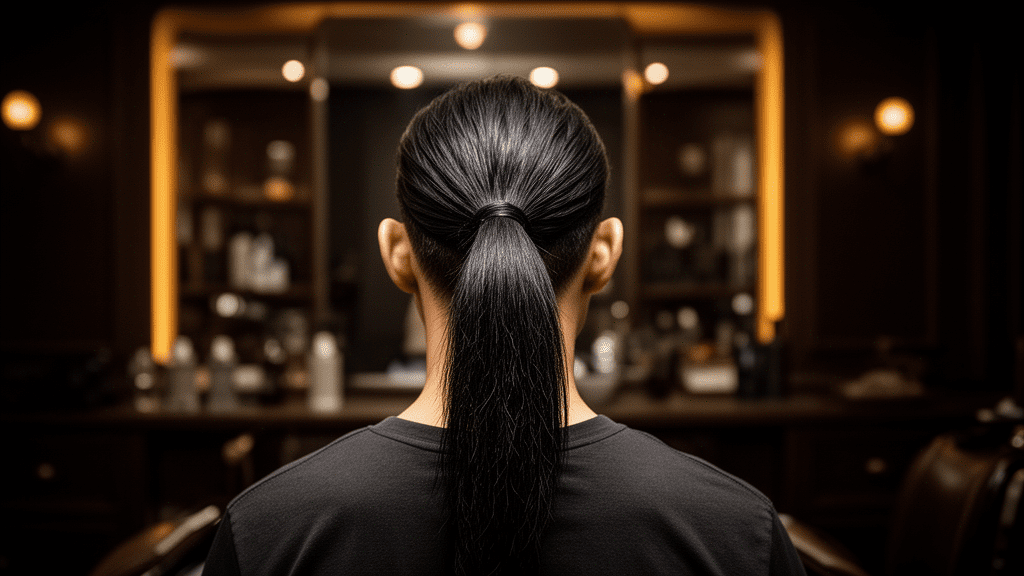
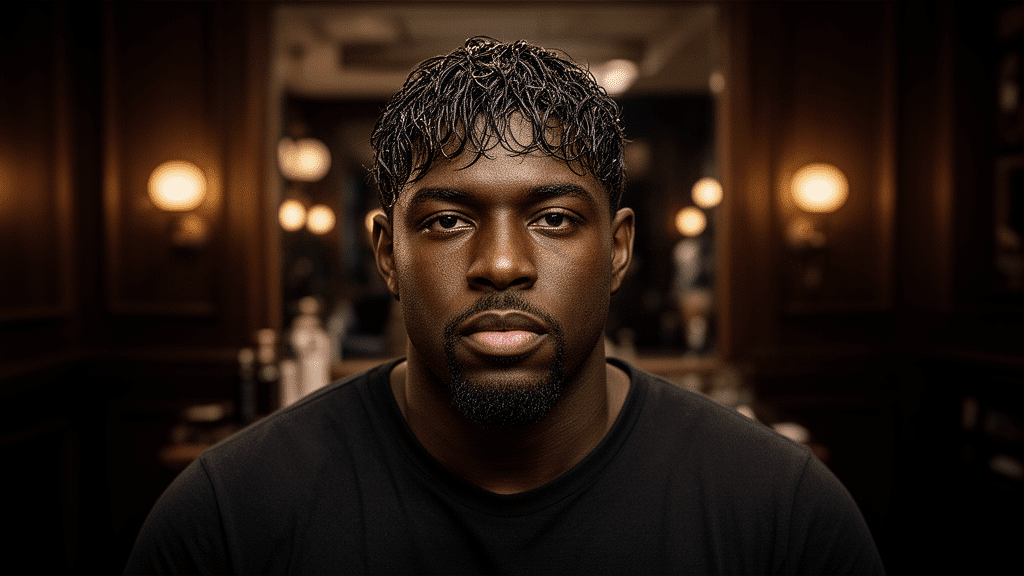
The Wet Look is a sophisticated styling technique that creates the appearance of hair that is perpetually damp or freshly emerged from water. This distinctive aesthetic is achieved through the deliberate application of specific styling products designed to impart a high-shine, often sculpted or slicked-back finish. Far from implying a casual or unkempt appearance, the Wet Look is a deliberate style choice, frequently seen on runways, red carpets, and in high-fashion editorials.
While elements of this style experienced peak popularity in the 1980s with heavily gelled, slicked-back interpretations, it saw a significant revival in the 2010s and 2020s. Modern iterations often embrace natural texture within the glossy finish, offering more refined and versatile applications. It remains a bold, high-fashion statement for individuals who seek a striking, confident appearance.
Defining the Wet Look
The essence of the Wet Look lies in its visual impact: hair that appears saturated with moisture, yet perfectly controlled. This effect is not simply about using water, but rather about the strategic application of gels, mousses, or creams to achieve a glossy sheen and a lasting hold. While a classic slick back is one popular manifestation of the Wet Look, the technique can also be applied to sculpted waves, dramatic side parts, or even defined curls, maintaining the characteristic luminosity.
Unlike traditional styling that aims for volume or a natural, dry finish, the Wet Look prioritizes a sleek, almost lacquered texture. It demands a particular finish that is both sleek and precise. This technique sets it apart from more conventional hairstyles, marking it as a deliberate choice for those aiming for a distinct aesthetic.
Foundational Cuts for the Wet Look
While the Wet Look is primarily a styling technique, the underlying haircut provides the canvas. The specific cut can enhance or limit the styling possibilities of the Wet Look. A Barber or Stylist can advise on the ideal length and layering to support the desired wet style.
For a slicked-back Wet Look, sufficient length on top (typically 3-4 inches or more) is necessary to allow the hair to be swept back smoothly without creating gaps. The sides can vary from a classic taper to a low, mid, or high fade, depending on the desired contrast and overall aesthetic. For women, the Wet Look can be applied to various lengths, from a short pixie that is sculpted to a long style that features polished finish waves or a sleek, pulled-back effect.
Professional consultation with a Barber or Stylist is crucial to determine the most suitable cut for your hair type, length, and the specific Wet Look interpretation you wish to achieve.
Styling Interpretations of the Wet Look
The versatility of the Wet Look allows for numerous stylistic expressions, extending beyond the simple slick back:
- Classic Slicked-Back: Hair is combed straight back from the forehead, creating a smooth, uninterrupted surface with high shine. This is perhaps the most iconic application of the Wet Look.
- Sculpted Waves: For those with medium to long hair, the Wet Look can enhance finger waves or structured curls, giving them a defined, almost liquid appearance. This is a common choice for retro vintage styles events or high-fashion photoshoots.
- Side-Parted & Glossy: A defined side part can add a sophisticated asymmetry, with the hair on both sides of the part styled to achieve the wet, shiny finish.
- Textured & Defined: While traditionally associated with smoothness, the Wet Look can also be applied to enhance natural curls or waves, providing definition and shine without completely smoothing out the texture.
- Half-Up/Half-Down or Ponytail: Long hair can be styled with a sleek, wet-look top section, transitioning into a looser or more natural finish for the rest of the hair, or gathered into a high-gloss ponytail.
Is the Wet Look Appropriate for You?
Considering the commitment and aesthetic impact, determining if the Wet Look aligns with one’s personal style and lifestyle is important.
- Lifestyle: The Wet Look is ideal for individuals seeking a bold, high-fashion, and striking appearance. It is often reserved for special events, editorial shoots, or as a daring daily statement. It typically requires a heavier product application and specific styling, making it less of a ‘wash-and-go’ option.
- Face Shape: This style can complement various face shapes. For oval and square faces, it can accentuate balanced features. Round faces may benefit from adding some height at the crown to elongate the profile, while long faces might opt for styles that don’t add excessive vertical volume.
- Personality: This style conveys confidence, sophistication, and an artistic inclination. It is suitable for those who embrace making a distinct statement and are comfortable with a refined, sometimes avant-garde aesthetic.
- Hair Characteristics:
- Length: The Wet Look can be applied to very short, medium, and long hair. The required length depends on the specific interpretation (e.g., a slick back needs more length than a sculpted pixie).
- Hair Type: While straighter hair types are often easier to manage for a sleek Wet Look, wavy, curly, and even coily hair can be styled with a wet finish, often to enhance definition and shine.
- Hair Texture: Medium to thick hair textures tend to hold the style well. Fine hair can also achieve the Wet Look with appropriate volumizing products applied before the high-hold stylers.
- Hair Health: Regular use of styling products necessitates consistent hair care, including cleansing to prevent buildup and moisturizing to maintain hydration.
Essential Knowledge for Wet Look Success
Achieving an impeccable Wet Look requires more than just product application; it demands understanding and technique.
- Product Selection: The success of the Wet Look hinges on the choice of styling agents. High-hold gels, mousses, and pomades are essential to create the characteristic glossy finish and ensure longevity. For a truly authentic look, select products that offer significant shine without flaking.
- Application Technique: Products should be applied evenly to damp or towel-dried hair, working from roots to ends. The amount needed varies by hair density and length, but starting with a moderate amount and adding more as required prevents over-saturation and a heavy feel.
- Professional Guidance: Consulting a professional Barber or Stylist is invaluable. They can offer personalized advice on product selection, application methods, and the most suitable haircut to complement your desired Wet Look. Their expertise ensures the style is tailored to your hair’s unique properties.
- Adaptability Across Ages: The Wet Look transcends age. Younger individuals may pair it with contemporary fashion, while older individuals can adopt a more understated, sophisticated version. The key is to adapt the styling and overall presentation to one’s personal aesthetic and context.
- Transitioning Out: Should one wish to move away from the Wet Look, the transition is straightforward. Simply discontinuing the specific styling products and allowing the hair to dry naturally or styling it with different products will change the appearance.
Cultural Impact of the Wet Look
Throughout history, the Wet Look has appeared in various cultural contexts, often symbolizing sophistication, power, or rebellious elegance. From classic Hollywood leading figures who favored a sleek, immaculate appearance to modern celebrities embracing it on the red carpet, the Wet Look has consistently been a symbol of deliberate style. Its presence in music videos, fashion shows, and contemporary art underscores its enduring appeal as a statement of controlled allure.
Maintenance and Longevity
To maintain the integrity and appearance of the Wet Look, consider the following:
- Washing Schedule: Depending on product use, daily washing might be necessary to prevent buildup. Use a clarifying shampoo periodically to thoroughly cleanse the hair and scalp.
- Hair Health: Regular conditioning is important to counter any potential drying effects from high-hold styling products. Incorporate deep conditioning treatments as needed.
- Re-trim Schedule: While the Wet Look is a style, the underlying cut requires regular maintenance. A trim every 4-6 weeks will help preserve the shape and allow for consistent styling, especially for structured cuts.
Frequently Asked Questions
- Can the Wet Look be achieved on all hair types? Yes, with the right products and techniques, the Wet Look can be adapted for straight, wavy, curly, and coily hair. Curly hair might require stronger-hold products to maintain the desired definition and sheen.
- How do I prevent the Wet Look from appearing greasy? The key is product selection and application. Opt for water-based gels or mousses, and apply in stages to avoid over-saturating the hair. The goal is a high-gloss finish, not a greasy texture.
- Is the Wet Look suitable for a formal event? Absolutely. Its polished and sophisticated nature makes it an excellent choice for formal occasions, lending an air of deliberate elegance.
- Does the Wet Look work for women? Indeed. The Wet Look is a unisex style that has been embraced by women for decades, offering a powerful and chic aesthetic that can be adapted to various hair lengths and styles.
Conclusion
The Wet Look is a bold and sophisticated styling technique that transforms hair into a deliberate statement of high-fashion elegance. It signifies confidence and a meticulous approach to personal presentation. By understanding its foundational principles, appropriate styling products, and the role of a professional Barber or Stylist, one can master this iconic look and make a lasting impression.