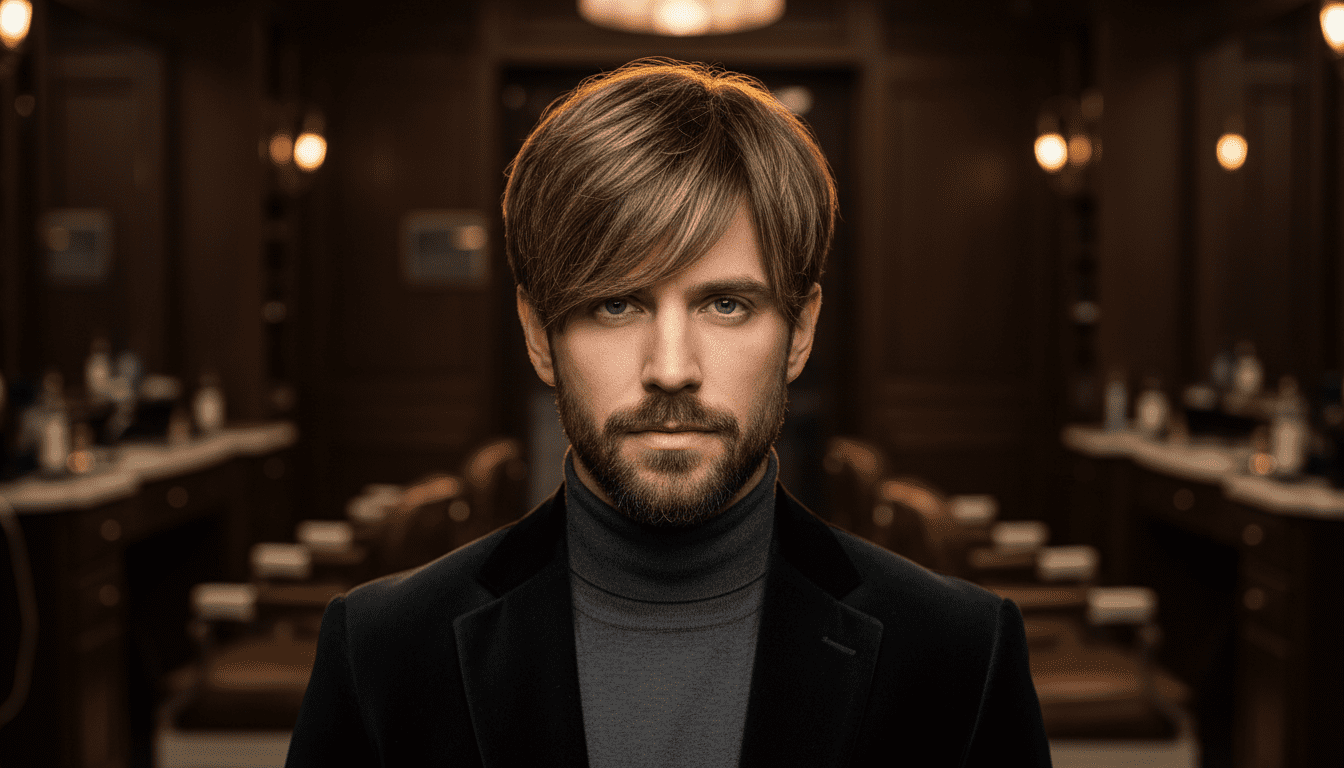
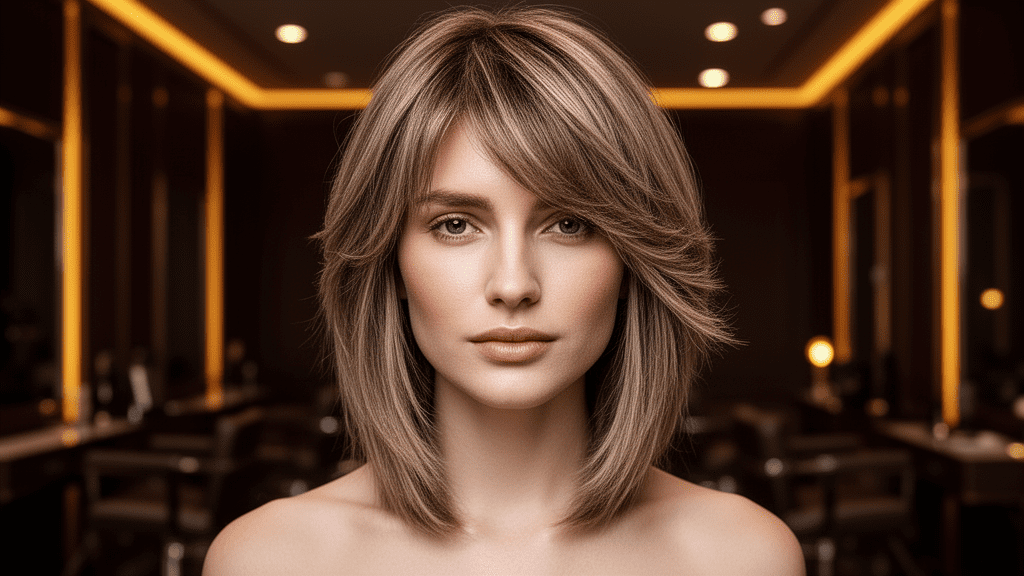
Introduction to the Layered Cut
The Layered Cut stands as a testament to versatile hair design, offering a dynamic silhouette that transcends trends. This technique, involving the strategic cutting of hair at varying lengths, imparts both volume and shape. Its enduring appeal lies in its ability to enhance natural hair characteristics, providing a contemporary aesthetic that avoids dated styles.
Originally gaining widespread recognition and massive popularity in the 1970s and 80s, the Layered Cut has undergone a significant modern revival in the 21st century. This resurgence has solidified its status as a timeless and universal style, celebrated for its adaptability and the effortless movement it imparts to the hair. It caters to individuals seeking a versatile yet low-maintenance haircut that projects confidence and style across various occasions, from formal professional settings to casual everyday life.
Understanding the Layered Cut
At its essence, a layered cut involves segmenting the hair and cutting each section to a different length. This process removes weight and bulk, creating distinct layers that encourage natural movement and texture. Unlike uniform cuts where all hair strands maintain a consistent length, layering provides a foundation for diverse styling options and can be meticulously tailored to complement various hair types and facial structures.
Hair professionals may utilize specific terminology, such as “textured cut” or “disconnected cut,” depending on the precise techniques employed. Methods like point cutting, slide cutting, or razor cutting are common approaches to achieve varied layering effects, each contributing distinct results to the hair’s overall appearance and feel. The critical factor is a clear understanding between the client and the hair professional regarding the intended outcome.
Communicating Your Vision to Your Hair Professional
To ensure a successful layered cut, effective communication with your barber or stylist is paramount. Consider the following points when discussing your desired style:
- Visual References: Presenting photographs of layered cuts you admire is highly recommended. Visuals serve as a clear guide for your hair professional.
- Specificity in Description: Beyond simply requesting “layers,” articulate the desired effect. Specify whether you seek subtle layers for added body or more dramatic, choppy layers for a pronounced aesthetic. Detail preferences for elements like tapers or fades on the sides and back.
- Length Parameters: Clearly communicate the overall length you wish to retain, as well as the shortest length you are comfortable with for the layers.
- Hair Characteristics: Inform your hair professional about your hair type (straight, wavy, curly) and any specific concerns, such as thinning hair or cowlicks. This information is crucial for customizing the cutting technique.
- Engage with Questions: Do not hesitate to ask your hair professional about the techniques they plan to use and how to best style the cut at home. Their expertise is invaluable.
For example, a request might be articulated as: “I am looking for a layered cut with subtle layers throughout, maintaining approximately [X] inches on top. I envision a medium fade on the sides and back, allowing for textured styling. My hair is naturally straight, and I aim to avoid a flat appearance.”
Variations of the Layered Cut
The inherent versatility of the layered technique allows for its adaptation into numerous styles:
- The Textured Crop: A contemporary, shorter iteration featuring short, choppy layers on top, typically paired with a fade on the sides and back. This style is particularly effective for enhancing volume and texture in finer hair types.
- The Classic Layered Hairstyle: Characterized by longer, graduated layers throughout the hair. This style offers broad versatility, accommodating looks from sleek and polished to natural and tousled.
- The Disconnected Undercut with Layers: An edgy style defined by a distinct contrast between very short, often shaved, sides and longer, layered hair on the crown. This option makes a bold statement for those desiring a distinctive appearance.
- The Long-Layered Look: Predominantly chosen for longer hair, this variation focuses on adding subtle layers to cultivate movement and prevent the hair from appearing overly dense or blocky. Often, these layers include face-framing elements.
Suitability and Lifestyle Integration
The Layered Cut is designed for individuals seeking a dynamic and adaptable hairstyle. Its suitability is influenced by several factors:
- Lifestyle Compatibility: While generally considered versatile, a layered cut often benefits from some level of daily styling to maximize its texture and movement. It is an excellent choice for those willing to engage in minimal product application and styling to achieve the desired effect, fitting well into both professional and casual environments.
- Face Shape Harmony: This cut is exceptionally adaptable and can be tailored to flatter most face shapes. Layers can introduce height and definition to round faces, soften angular lines for square faces, and complement the natural balance of oval faces. For heart-shaped faces, layers can add beneficial width at the jawline.
- Personality Expression: The layered cut can reflect a range of personalities, from modern and stylish to classic or edgy, making it a compelling option for those who value versatility and current trends in their appearance.
Hair Characteristics for Layered Styles
- Hair Length: Most layered styles require a foundational length of several inches to create noticeable layers. The technique is applicable across various lengths, including medium length haircuts and longer styles.
- Hair Type and Texture: Layered cuts are effective across straight, wavy, and curly hair types. The specific layering techniques employed are adjusted to work harmoniously with the hair’s natural texture. Fine hair gains volume and the illusion of thickness, while thick hair benefits from weight reduction. Coarse hair can achieve enhanced movement and softness through layering.
- Hair Health: When executed correctly, layered cuts can improve the visual density of thinning hair by creating an impression of greater volume. Consulting with a hair professional skilled in layering fine or thinning hair is advisable.
Layered haircuts are globally embraced, adapted to suit diverse hair textures and cultural styling preferences. They are a common feature in Korean and Japanese men’s fashion, frequently paired with perms or vibrant coloring.
Maintaining Your Layered Cut
To preserve the integrity and appearance of a layered cut, adhere to these maintenance practices:
- Washing Frequency: To prevent stripping natural oils, consider washing hair every other day or less frequently, as appropriate for your hair type.
- Product Selection: Use shampoos and conditioners formulated for your specific hair type and texture. Volumizing products are beneficial for fine hair, while moisturizing options suit thicker hair.
- Drying Methods: Whenever feasible, air drying is preferred to minimize heat damage. If using a blow dryer, incorporate a diffuser attachment to protect the hair.
- Regular Trims: To maintain the shape and prevent split ends, schedule trims every 4-6 weeks.
Pop Culture Influence
The layered cut frequently appears on prominent figures, serving as inspiration for contemporary styles:
- Timothée Chalamet: Recognized for his effortlessly stylish layered hair, which exemplifies texture and movement.
- Harry Styles: Throughout his career, Styles has showcased a range of layered styles, from shorter, choppy looks to longer, flowing cuts.
- Zac Efron: Often seen with textured, layered hair that complements his facial structure.
Frequently Asked Questions
- Will a layered cut make my hair appear thinner? No, when executed by a skilled professional, layers can actually enhance volume and give the appearance of thicker hair, especially for fine hair types.
- Is the layered cut considered high maintenance? Maintenance levels vary with the specific layered style and individual hair type. Some iterations are relatively low maintenance, while others may require more dedicated styling.
- What types of products are recommended for a layered cut? Texturizing pastes or clays are highly effective for adding definition and texture to layered hair.
- Is the layered cut suitable for curly hair? Absolutely. Layered cuts can significantly improve curl definition and prevent curly hair from appearing overly heavy or bulky.
- How frequently should I get my layered cut trimmed? To preserve the cut’s shape and mitigate split ends, a trim every 4-6 weeks is generally recommended.
- Is this cut suitable for individuals experiencing balding? The layered cut is primarily designed to enhance existing hair volume and texture. It is not specifically engineered to address areas of significant balding or thinning on the crown and is best suited for those with a moderate to full head of hair.
Conclusion
The Layered Cut represents a sophisticated and adaptable choice for anyone looking to refresh their appearance. Its ability to create natural volume, texture, and movement makes it a perennial favorite. This haircut is a statement of modern style and versatile appeal, confirming its place as a timeless and impactful choice in contemporary hair fashion.