Introduction
The lob, an abbreviation for “long bob,” has established itself as a cornerstone of contemporary hairstyling. Renowned for its adaptable length and sophisticated aesthetic, it rose to immense popularity in the 2010s, quickly becoming a modern classic embraced by celebrities and professionals alike. Its continued relevance is a testament to its versatility, polished appeal, and manageable nature. This guide explores the facets of the lob, from its historical roots to its diverse applications and maintenance.
Defining the Lob
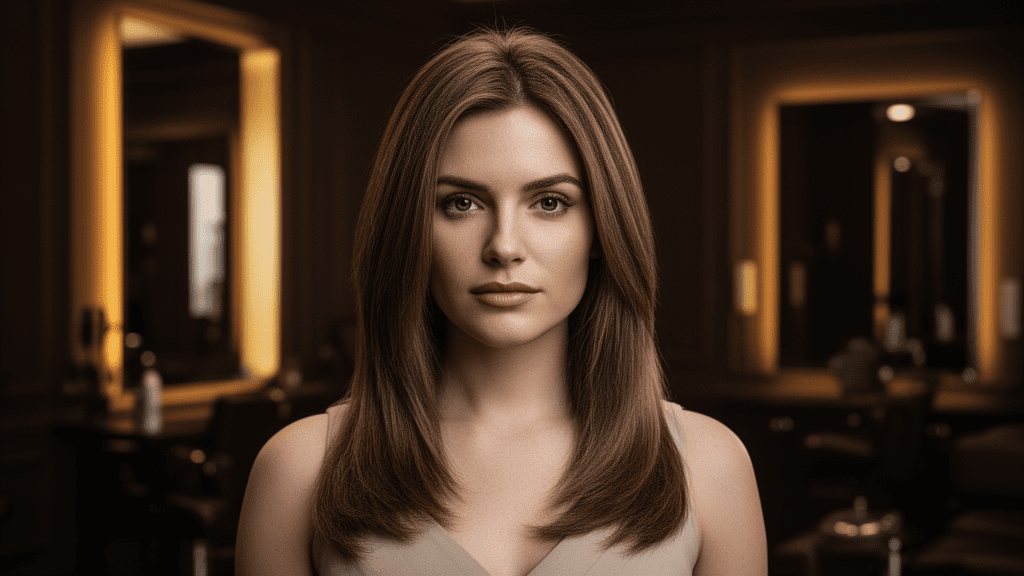
At its core, the lob is a medium-length haircut that falls between the chin and the collarbone. It represents an intermediate style, longer than a traditional bob but shorter than conventional long hair. This precise positioning grants it both the sharp definition often associated with shorter cuts and the styling freedom of longer locks. Often considered a prime example within the medium-length haircuts category, its defining characteristic is its deliberate lack of extreme features, allowing it to adapt effortlessly to various personal styles.
A Historical Perspective
The lineage of the lob can be traced back to the early 20th century, emerging from the liberating bob cut of the Roaring Twenties. The bob, then a symbol of modern female independence, laid the foundation for its longer counterpart. Over subsequent decades, the bob evolved, gradually extending its length and diversifying its forms. The lob gained distinct recognition in later periods, experiencing resurgences through the 1960s and 1990s before its definitive rise as a global trend in the 21st century. It has consistently demonstrated its capacity to adapt to changing fashion sensibilities while retaining its essential elegance.
Exploring Lob Variations
The adaptability of the lob allows for a broad spectrum of stylistic expressions:
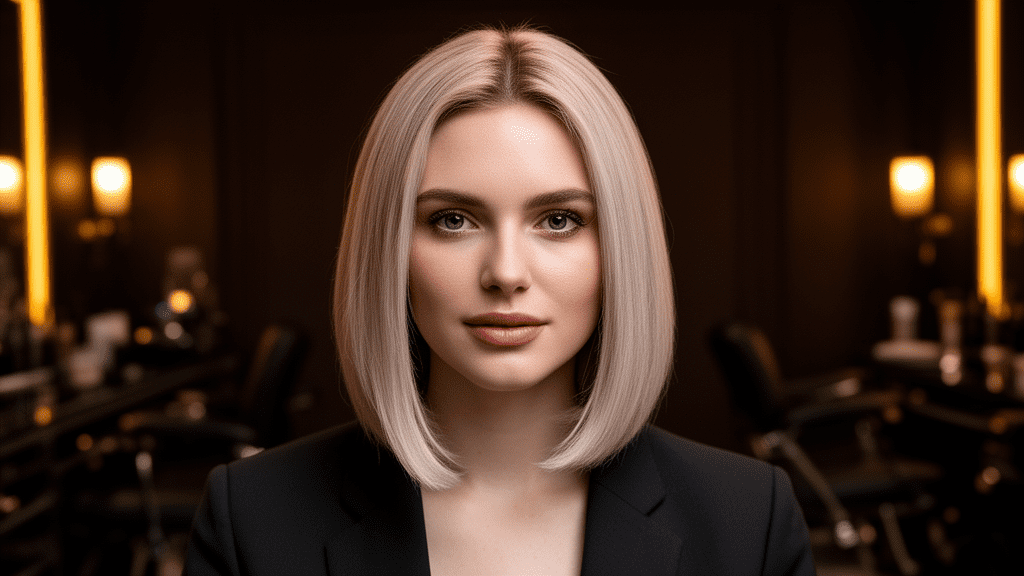
- The Blunt Lob: Characterized by a single, sharp cutting line, this variation offers a clean, modern, and polished appearance. It emphasizes strong geometric form, projecting a sophisticated confidence. This style is an excellent example of a blunt cut applied to a medium length.
- The Layered Lob: Incorporating subtle or prominent layers throughout the hair, this version adds movement, texture, and volume. It creates a softer, more relaxed silhouette, ideal for those seeking a less structured aesthetic.
- The A-Line Lob: This classic variation features hair that is subtly shorter in the back and gradually lengthens towards the front. The angled perimeter provides a flattering line that can enhance facial features and add a touch of dynamic flair.
- The Wavy Lob: Naturally wavy hair or styled waves integrate seamlessly with a lob, producing a casual, tousled, and often voluminous look. This style balances effortless charm with contemporary appeal.
- The Asymmetrical Lob: For a more distinctive statement, the asymmetrical lob features one side cut noticeably longer than the other. This creates a bold, edgy profile that conveys a sense of individuality.
Tailoring the Lob to Your Profile
The widespread appeal of the lob stems from its ability to complement diverse personal attributes and preferences:
- Lifestyle Considerations: The lob is a practical choice for a busy, modern individual. Its medium length allows for both sophisticated styling for professional settings and casual looks for everyday wear. It is highly versatile for those seeking a polished yet manageable haircut.
- Face Shape Harmonization: The lob is particularly effective at harmonizing with various face shapes. Its length can elongate rounder faces, soften the angles of square faces, and provide balance for heart-shaped profiles with thoughtfully placed layers. Oval faces are fortunate in that they can typically accommodate any lob variation with ease.
- Personal Expression: Depending on its execution and styling, the lob can embody classic elegance, edgy modernity, understated sophistication, or creative flair. It serves as a suitable canvas for reflecting individual style.
- Hair Characteristics: The lob performs well across a range of hair types and textures. Fine hair can benefit from a blunt cut to create an impression of greater density, while medium to thick hair can embrace layers for enhanced movement. For curly or coily hair, a skilled barber can shape the lob to celebrate the natural curl pattern, ensuring optimal length and volume.
Consulting Your Barber for a Lob
Effective communication with your barber is paramount to achieving the desired lob. Consider these points during your consultation:
- Length Precision: Clearly articulate or visually indicate the desired length, specifying if you prefer it to graze the chin, skim the shoulders, or rest precisely on the collarbone.
- Layering Preferences: Discuss whether you envision a sleek, one-length blunt cut or prefer the addition of layers to introduce movement and texture. Reference images can be highly beneficial.
- Angling the Cut: Explore the option of an A-line lob, which is shorter in the back and longer in the front. Discuss how this angle might best complement your face shape and personal aesthetic.
- Visual References: Bringing photographs of lobs you admire is an invaluable tool for conveying your vision accurately to your barber.
- Styling Habits Disclosure: Inform your barber about your typical hair care routine and styling commitment. This allows them to tailor the cut for optimal manageability with your daily practices.
Maintenance and Upkeep
Maintaining a lob involves a straightforward routine to preserve its shape and health:
- Washing Frequency: Avoid excessive washing, as 2-3 times per week is generally sufficient for most hair types. This helps to retain natural oils.
- Drying Methods: Whenever feasible, air drying is recommended for hair health. If using a hairdryer, employ a diffuser attachment to minimize frizz and enhance any natural texture.
- Re-trim Schedule: To uphold the precise shape and mitigate split ends, a professional trim every 6-8 weeks is typically advised.
The Lob in Popular Culture
The lob’s presence extends beyond daily life into the realm of popular culture. It has been a consistent feature on red carpets, worn by numerous public figures who appreciate its elegant versatility. Its appearance in film and television series further cements its status as a widely recognized and adaptable hairstyle, reflecting diverse characters and personas. This enduring visibility underscores the lob’s timeless appeal and its capacity to transcend fleeting trends.
Transitioning from a Lob
One of the practical advantages of the lob is its ease of transition. For those wishing to grow their hair longer, the lob serves as an ideal intermediate stage. Its defined shape grows out gracefully, requiring minimal intervention. Alternatively, if a shorter style is desired, a lob can be readily transformed into a shorter bob or pixie cut, offering flexibility in hair length evolution.
Frequently Asked Questions About the Lob
- Does a lob make a face appear rounder? Not necessarily. A strategically cut lob with layers and face-framing elements can actually create an illusion of length and slimness.
- Is the lob considered high maintenance? The lob is generally perceived as a low to moderate maintenance haircut, particularly when styled with layers or natural waves.
- Can a lob be worn in updos? Absolutely. The length of a lob allows for various updos, including ponytails, buns, and half-up styles.
- What is the ideal styling approach for a lob? Styling options are broad, encompassing sleek straight looks, voluminous waves, or natural curls. The best approach depends on hair type and personal preference.
- Is a lob suitable for thinning hair? A blunt lob can be an effective style for thinning hair, as the clean lines can create the impression of greater thickness and volume.
- Can bangs be incorporated with a lob? Yes, the lob is highly adaptable with various fringe styles, including curtain bangs, blunt bangs, or side-swept bangs.
- Is the lob universally flattering across all face shapes? While largely versatile, slight modifications to layering and angle may be recommended by a barber to best suit individual face shapes.
- Is this a suitable haircut for warmer climates? The lob’s medium length and adaptability make it a practical and comfortable choice for summer, as it can be styled up or down with ease.
Conclusion
The lob stands as a testament to elegant simplicity and practical sophistication in hairstyling. It offers a balance between the definitive statement of a shorter cut and the styling freedom of longer hair. For those seeking a modern, adaptable, and polished appearance that reflects both confidence and ease, the lob remains an exemplary choice.