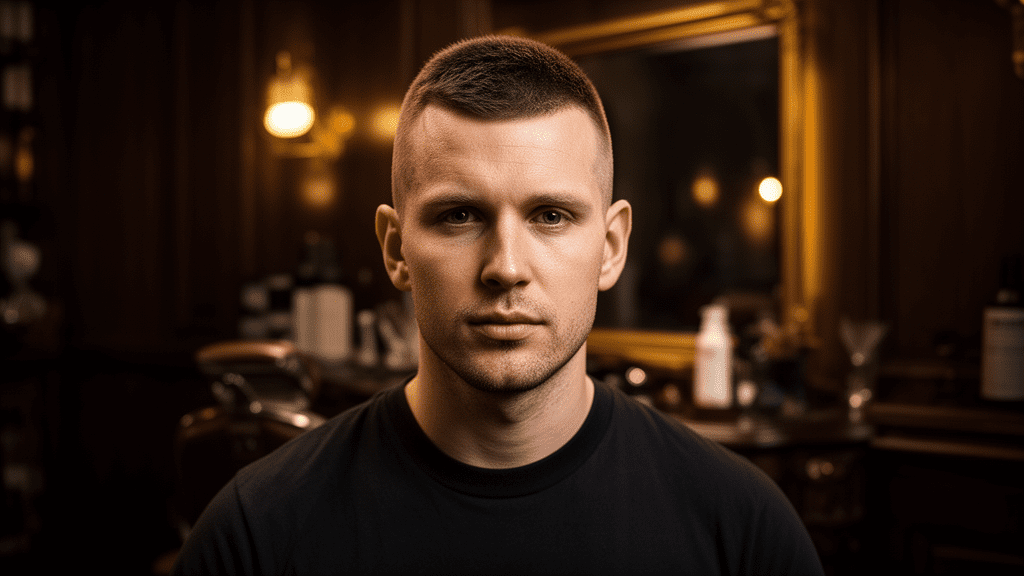

Introduction to Baby Hairs
Baby hairs, also known as laid edges, refer to the fine, delicate hairs that grow along the hairline, specifically around the temples and forehead. Far from being an overlooked detail, styling these short tendrils has evolved into a sophisticated art form, enhancing the overall aesthetic of a hairstyle. This technique elevates a simple look into a polished and creative statement, serving as a canvas for artistic expression.
Historically rooted in various cultures, particularly within Black communities, baby hairs have been a staple for decades as a method to create a smooth, refined hairline. In recent years, this practice has expanded into a global mainstream trend, significantly popularized by social media and celebrity influence, making it a celebrated element of modern grooming.
A Cultural and Historical Overview
The practice of styling baby hairs carries significant cultural depth, notably within Black hair culture, where it has long been an integral part of grooming rituals to achieve a neat and sophisticated appearance. This tradition dates back centuries, with early examples showing the intentional manipulation of hairline hairs. Iconic figures like Josephine Baker in the 1920s famously accentuated her baby hairs, often incorporating them into intricate finger wave styles, contributing to the rich tapestry of retro vintage styles.
The 1990s saw a resurgence in their prominence, notably through artists such as Lisa “Left Eye” Lopes. This trend continued into the early 2000s with singers like Alicia Keys and Chilli of TLC showcasing artfully swooped baby hairs. More recently, the 2010s brought a renewed wave of popularity, with celebrities like Rihanna and FKA Twigs further cementing baby hairs as a contemporary fashion statement. Today, the technique continues to evolve, reflecting individuality and creative expression through diverse styles and methods.
Defining Baby Hairs
Baby hairs are characterized by their distinct texture and growth pattern. These are the very fine, short hairs typically found along the perimeter of the hairline. They are generally softer and finer than the rest of the hair and are often more susceptible to frizz or flyaways. Structurally, they represent the ‘new growth’ or transitional hairs at the scalp’s edge.
The objective of styling baby hairs is to arrange them in a deliberate and polished manner, creating artistic shapes that complement the main hairstyle. This can involve delicate curls, precise swoops, or a natural frame, all achieved with careful application of styling products and tools. The desired outcome is a defined yet soft face framing element, devoid of harsh lines or stiff texture.
Communicating with Your Barber
Achieving the desired baby hair style requires clear communication with your barber. They are equipped to translate your vision into a practical execution. Consider these points when discussing your preference:
- Visual References: Provide clear images of the specific baby hair style you envision. This can range from dramatic swoops to a subtle, naturally framed hairline.
- Hair Characteristics: Discuss your hair type and texture with your barber. Different hair characteristics may require tailored techniques and products to achieve optimal results.
- Maintenance Expectations: Be transparent about the time you are willing to dedicate to daily styling. This information will guide your barber in creating a style that aligns with your lifestyle.
- Hairline Integration: Specify whether you prefer a strong, defined hairline integration or a softer, more diffused edge.
- Professional Trust: Allow your barber to utilize their expertise. They may employ various trimming and styling methods to achieve the desired outcome. Do not hesitate to ask questions throughout the process.
Variations in Baby Hair Styling
The versatility of baby hairs allows for numerous styling interpretations. Here are several popular approaches:
- The Classic Swoop: This traditional method involves using a styling agent to create smooth, dramatic curves along the forehead, reminiscent of iconic 1990s R&B aesthetics.
- The Natural Frame: For a more understated appearance, baby hairs are subtly defined with minimal product and allowed to fall naturally around the face, ideal for daily wear.
- Curled Edges: Small curling tools can be used to form delicate curls, adding texture and a whimsical dimension to the overall look.
- Layered Detail: For those with slightly longer baby hairs, subtle layering can create a more textured effect, achieved through precise trimming and styling.
- Embellished Styles: Creative accessories such as rhinestones, glitter, or temporary hair adornments can be incorporated to personalize the baby hair style.
Suitability and Lifestyle Considerations
Baby hairs are a universally adaptable element that can complement various individuals, regardless of face shape or hair type. The key is to select a style that harmonizes with one’s unique features and personal aesthetic.
- Lifestyle: The style can be tailored to fit diverse lifestyles. A natural frame suits a low-maintenance routine, while more elaborate designs demand greater time and effort for daily styling. This style is ideal for individuals who view their hairline as a canvas for creative expression and appreciate a meticulous, polished finish. It often represents a form of daily artistic ritual.
- Face Shape: Baby hairs are exceptionally versatile, capable of softening prominent jawlines, adding visual width to narrow faces, or accentuating cheekbones.
- Personality: Whether one’s style is classic, edgy, understated, or experimental, a baby hair variation exists to express individual personality.
- Hair Characteristics:
- Trim/Cut Length: Varies, typically ranging from 0.5 to 2 inches, depending on the desired style.
- Hair Length (starting): A minimum of 0.5 inches of hair is generally required for effective styling.
- Hair Type: Baby hairs can be effectively styled across all hair types: straight, wavy, curly, or coily. The application of appropriate products and techniques is paramount.
- Hair Texture: Fine hair may necessitate lighter styling products to prevent weighing it down, while thicker hair can accommodate stronger hold gels or pomades.
- Hair Health: This style is generally suitable for most hair health conditions. For individuals with thinning hair or specific scalp conditions, consulting a barber or dermatologist is advisable before adopting the style.
Essential Styling Considerations
To effectively style baby hairs, a foundational understanding of technique and perception is beneficial.
Mastering Angles
Baby hairs present differently from various perspectives. Practicing styling in front of a mirror allows for an understanding of how they frame the face, enabling adjustments for optimal visual impact and a precisely defined look.
The Role of a Skilled Barber
The expertise of a barber specializing in baby hair styling is invaluable. An experienced professional can interpret your vision and execute the style with precision. Seeking recommendations and researching a barber’s portfolio are prudent steps.
Commitment and Transition
Baby hairs are a relatively low-commitment style. Should one decide to transition away from the look, the hairs can simply be allowed to grow out and blend naturally into the rest of the hairline.
Cultural Influence and Iconic Figures
From historical figures to contemporary stars, baby hairs have been a consistent presence in pop culture. Beyond Josephine Baker, modern icons like Rihanna, Zendaya, and the cast of the series Euphoria have prominently featured styled baby hairs, further solidifying their status as a significant trend. The style’s continued appearance on fashion runways and red carpets attests to its enduring appeal and relevance.
Maintenance for Longevity
Maintaining the aesthetic of styled baby hairs involves a focused regimen:
- Washing Frequency: Wash hair as necessary, avoiding excessive cleansing that can lead to dryness and frizz in the fine hairline hairs.
- Drying Methods: Gently pat baby hairs dry with a soft towel or allow them to air dry naturally to prevent potential damage.
- Re-Trim Schedule: Depending on individual hair growth rates, periodic re-trimming every few weeks may be required to maintain the desired shape and definition of the baby hairs.
Frequently Asked Questions
Q: Is styling baby hairs damaging to the hair?
A: With gentle products and careful application that avoids excessive pulling or tugging, damage to baby hairs can be prevented.
Q: Can baby hairs be styled on short hair?
A: Yes, baby hairs can effectively add detail and personalize short hairstyles.
Q: How can frizz in baby hairs be prevented?
A: Application of an anti-frizz serum or a light oil can help maintain smoothness and hydration.
Q: What is the approach for very fine baby hairs?
A: For fine baby hairs, use lightweight styling products and avoid over-styling, which can make them appear thinner.
Q: Is it safe to use heat on baby hairs?
A: Heat styling is permissible, provided a heat protectant spray is used and high temperatures are avoided to prevent damage.
Q: How can baby hairs be kept in place if they are consistently messy?
A: Experimenting with different styling products and techniques is recommended. A strong hold gel or edge control is often effective in maintaining the style.
Q: Are styled baby hairs considered unprofessional?
A: When executed with precision and a polished finish, styled baby hairs are a chic and appropriate addition to a wide range of looks, including professional settings.
Conclusion: Embrace Your Hairline Aesthetic
Baby hairs are more than a minor detail; they represent a significant element of personal style and self-expression. By embracing these delicate hairline hairs and exploring various styling techniques, individuals can cultivate a unique and refined aesthetic.