Introduction
The Classic Cut stands as a foundational men’s hairstyle, renowned for its enduring appeal and adaptability. It embodies a neat, well-groomed aesthetic suitable for diverse environments, from professional settings to casual engagements. This style has maintained consistent relevance since the early to mid-20th century, cementing its status as a cornerstone of men’s grooming.
Historical Context and Enduring Appeal
The Classic Cut is not a transient trend but a style with significant historical depth. While precise documentation of its earliest forms is elusive, its consistent popularity across generations is undeniable. Icons such as Paul Newman and Steve McQueen exemplified its appeal, and its elements continue to be subtly incorporated by contemporary figures. Its enduring nature stems from its inherent versatility and the clean-cut sophistication it imparts, rather than adherence to a specific era. This consistent demand highlights its place among classic styles.
Defining Characteristics of the Classic Cut
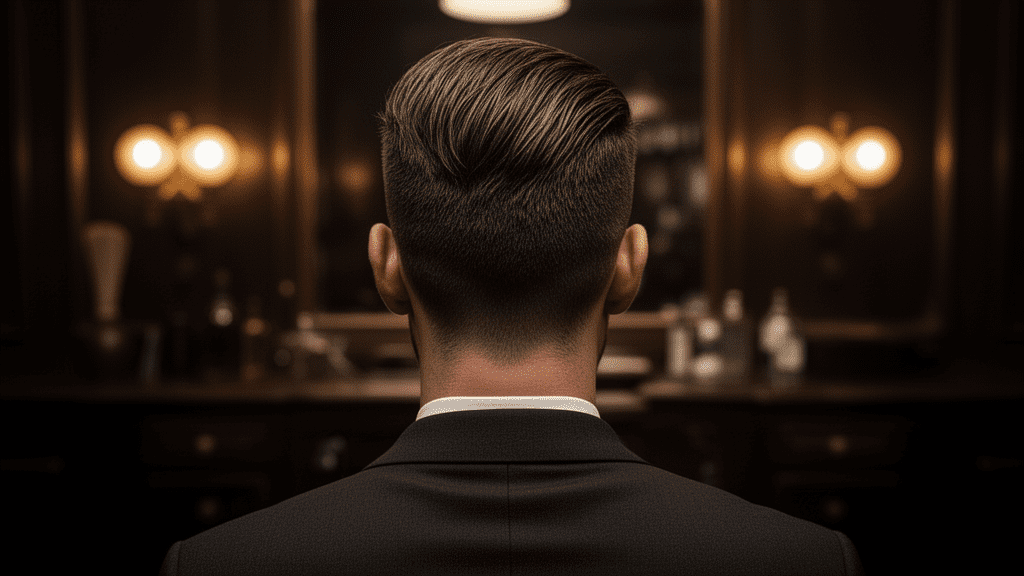
Beyond merely short hair, the Classic Cut is defined by precise execution and harmonious proportions. It typically features slightly longer hair on the top section, generally ranging from two to three inches, coupled with neatly tapered sides and back. A subtle fade is often incorporated into the taper, though the specific type of fade can vary, from a low skin fade to a higher taper. The defining characteristic is an overall polished and neat appearance. Barbers may employ various terms, such as “classic taper” or “short back and sides,” but the underlying principles of balance and precision remain constant. Other styles such as the Ivy League share similar principles of neatness and precision.
Consulting with Your Barber
To achieve the desired Classic Cut, clear communication with your barber is essential. Providing reference images can greatly assist in conveying your vision. Articulate your preferred length for the top, the nature of the taper or fade on the sides and back, and any specific preferences for the neckline. A skilled barber will consider your hair texture, growth patterns, and facial structure to customize the cut, ensuring it complements your individual features and lifestyle.
Adaptations and Modern Interpretations
The inherent adaptability of the Classic Cut is one of its primary strengths. Slight adjustments to the top length can introduce a more textured finish, or different parting styles can alter its presentation. Incorporating texturizing techniques allows for a subtly modern update without departing from the core principles of the style. This flexibility allows individuals to personalize the cut while maintaining its timeless essence. A barber might recommend a similar cut such as the Harvard Clip if a slightly different aesthetic is desired.
Suitability and Considerations
As a men’s hairstyle, the Classic Cut is remarkably versatile. Its neat appearance and moderate maintenance level make it ideal for individuals who require a polished look for both professional and casual contexts. It complements most face shapes, particularly oval, square, and rectangular profiles. The clean lines of the Classic Cut align with a range of personalities, from traditional gentlemen to those seeking understated sophistication.
This cut is well-suited for most hair types, including straight, wavy, and mildly curly textures. For individuals with extremely curly or coily hair, additional styling or specific barbering techniques may be necessary to achieve the desired shape. The Classic Cut is adaptable to varying hair densities, from fine to thick, though thicker hair may require more frequent trims to maintain its precise form. It is generally less advisable for those with significant hair thinning, as the style can sometimes accentuate these areas.
Post-Cut Understanding and Upkeep
Visualizing the Cut
Upon receiving the Classic Cut, it is beneficial to observe its appearance from all angles and in different lighting conditions. Understanding how the hair naturally falls and how the cut presents itself provides insight for effective daily maintenance and styling.
Age Versatility
The Classic Cut transcends age. Its appeal is not confined to a particular demographic. Adjustments in length and styling can be made to complement an individual’s age and features; for instance, a slightly longer top can soften the look for mature individuals, while a sharper taper might appeal to a younger clientele. The Military Cut is another example of a timeless, age-versatile cut.
Styling Product Recommendations
For styling the Classic Cut, pomades, hair pastes, or clays are highly effective. These products offer necessary hold and control without imparting an overly rigid or artificial appearance. Application should be sparing, working a small amount through the hair to achieve the desired shape and finish.
The Importance of a Skilled Barber
Precision is paramount in executing the Classic Cut. Securing a barber with a thorough understanding of tapering, fading, and classic men’s haircutting techniques is crucial for achieving an optimal result. A skilled practitioner can tailor the cut to an individual’s specific hair characteristics and aesthetic preferences.
Transitioning from the Classic Cut
The Classic Cut facilitates easy transitions to other styles. Should a change be desired, simply allowing the hair to grow out naturally often provides a straightforward and low-effort pathway to a new look.
Cultural Resonance and Influential Figures
The Classic Cut has been a consistent presence in popular culture, adorning the heads of numerous influential figures. From the iconic presence of Paul Newman to the modern refinement of Ryan Gosling, it has been a preferred choice for leading men across decades. This enduring visibility in cinema and public life underscores its status as a versatile and perpetually stylish option.
Maintenance and Longevity
Maintaining the Classic Cut is generally straightforward. Regular washing, as needed, and air drying are typically sufficient. For added volume or structure, a hairdryer can be utilized. Styling is achieved with a minimal amount of pomade or paste. To preserve the sharp lines and intended shape, a trim every three to four weeks is recommended.
Frequently Asked Questions
How long does it take to get a classic cut?
Typically, a Classic Cut can be completed within 30 to 45 minutes, depending on the hair’s density and the specific details requested.
Can this cut be adapted for thick hair?
Yes, the Classic Cut is well-suited for thick hair. It is important to communicate your hair density to your barber so they can adjust their technique to manage the volume and ensure a precise result.
What products are best for styling this cut?
Pomades, hair pastes, or styling clays are generally recommended for providing the necessary hold and allowing for textured or sleek finishes.
How often should I get a trim to maintain the style?
To preserve the sharp lines and shape of the Classic Cut, trims are typically advised every three to four weeks.
Conclusion: The Enduring Appeal of the Classic Cut
The Classic Cut represents more than a mere haircut; it is a statement of refined style and understated confidence. Its consistent presence and adaptability underscore its status as a timeless choice in men’s grooming. For those seeking a sophisticated, versatile, and perpetually relevant hairstyle, the Classic Cut remains an exemplary option.