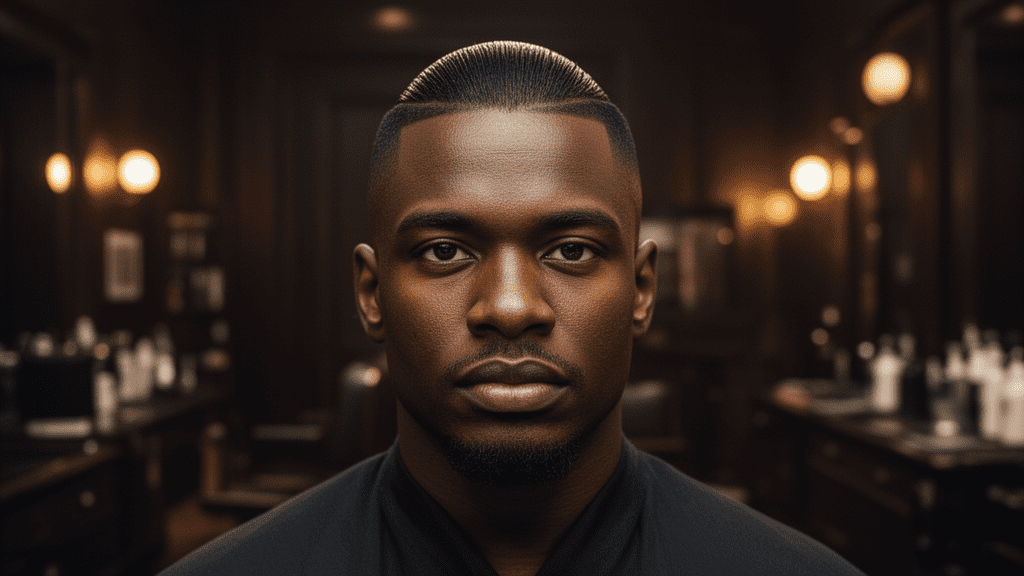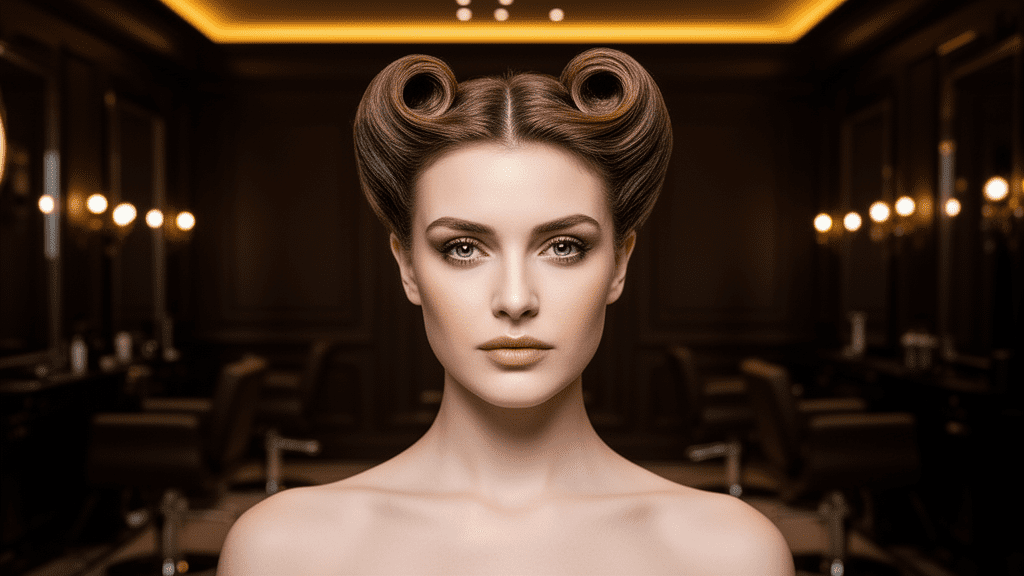
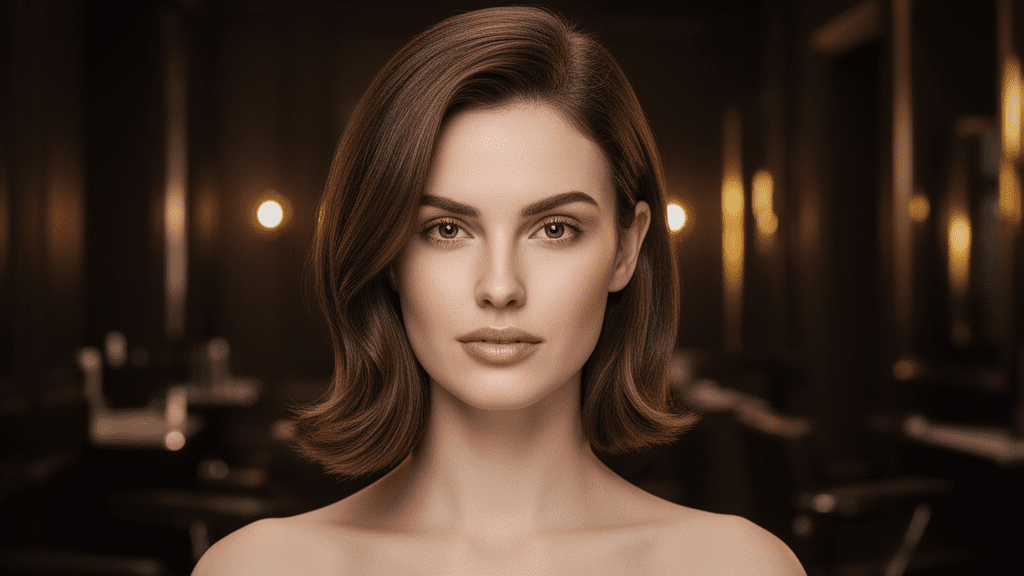
The Deep Side Part is a styling technique defined by a significant, off-center division of hair, creating a deliberate asymmetry. This approach often introduces volume and sweep to one side, while the opposing side is kept sleek or directed away from the face. Its enduring appeal stems from its capacity to add drama and refinement to a variety of haircuts, establishing a look that is both modern and classic.
Historical Context of the Deep Side Part
The deep side part is not merely a contemporary trend but a style with substantial historical grounding. Its prominence can be traced to the 1920s, where it became a hallmark of sophisticated glamour for both men and women. The mid-20th century saw its integration into classic Hollywood aesthetics, symbolizing elegance and sharp presentation. Following various revivals, the deep side part experienced a notable resurgence from the 2010s onward, solidifying its status as a versatile and impactful style for a new generation. Its consistent re-adoption highlights its timeless quality and adaptability across fashion eras.
Defining the Deep Side Part
What distinguishes a deep side part from a conventional one is the pronounced nature of the division. The part line is positioned considerably off-center, creating an evident separation that is integral to the hairstyle’s structure. This contrasts with more subtle partings, offering a bolder and more intentional statement. Hair on the longer side gains substantial movement or volume, while the shorter side typically lies flatter, often providing a clean contour that complements the facial structure. This distinct asymmetry is key to the style’s character.
Consulting Your Stylist for a Deep Side Part
Achieving the optimal deep side part necessitates clear communication with your stylist. Provide specific instructions regarding the desired placement of the part line, which is generally situated slightly off the center of the head, above the arch of the eyebrow. Discuss the intended length and desired volume for the longer section of hair. For those considering complementary elements, explore options such as a hard part for enhanced definition. Reference images can be highly beneficial in conveying your vision, ensuring the stylist understands the precise aesthetic you wish to achieve. A professional stylist will offer tailored advice based on your hair type and facial structure.
Styling the Deep Side Part: Adaptability and Versatility
The inherent adaptability of the deep side part allows for numerous styling interpretations, ranging from formally polished to casually textured:
- Voluminous Sweep: This classic approach involves directing the longer section of hair across the forehead with ample volume, often achieved through blow-drying techniques or the use of hot rollers for women, reminiscent of Hollywood waves.
- Sleek and Refined: For a sophisticated finish, the hair can be meticulously smoothed down, maintaining the sharp definition of the part. This look is frequently associated with formal occasions and professional environments, aligning with styles that require a slick back appearance.
- Textured Flow: A more contemporary variation involves incorporating texture into the longer sections of hair. This creates a softer, more dynamic movement while retaining the distinctive deep part. It offers a relaxed yet intentional aesthetic.
Is the Deep Side Part Suitable for You?
This style offers broad appeal, yet its optimal execution can vary based on individual characteristics.
- Personal Lifestyle: The deep side part is highly versatile, fitting both demanding professional settings and casual engagements. It can be styled to be either low or moderate maintenance, depending on the desired level of polish and individual hair characteristics. It is ideal for those seeking an impactful yet adaptable look.
- Face Shape: This style effectively complements oval, square, and heart-shaped faces by enhancing symmetry or softening angles. For round or long face shapes, a stylist can adapt the volume and sweep to create a balanced proportion.
- Personality: It appeals to individuals with a sophisticated, bold, and confident persona, as well as those who appreciate a blend of classic elegance and modern flair. It is well-suited for professional and formal aesthetics.
- Hair Characteristics:
- Length: A medium to long length on top is generally preferred to allow for sufficient sweep and volume. Shorter variations can be achieved, creating a more angular and direct aesthetic.
- Type: While most effective on straight or wavy hair, a skilled stylist can adapt the deep side part for looser curls, though it may require more dedicated styling.
- Texture & Density: Works well with medium to thick hair densities and fine to medium textures. Those with very fine or very thick hair may require specific cutting and styling techniques to achieve the desired effect and maintain control.
Maintaining the Deep Side Part
To preserve the integrity and appearance of a deep side part, regular maintenance is essential. Schedule routine trims every four to six weeks to keep the ends healthy and the part line crisp. When styling at home, gently direct the hair into the desired part while damp, allowing it to set naturally or using a blow dryer on a cool to medium setting. Brushing the hair consistently in the direction of the part helps train it over time, reinforcing the style’s longevity. This attention to detail contributes to a consistently refined presentation, making it suitable for professional looks.
The Deep Side Part in Popular Culture
The deep side part has been a pervasive element in popular culture, frequently seen on both the silver screen and contemporary runways. It has adorned the heads of iconic figures in film, music, and fashion, embodying a sense of gravitas and style. Its consistent presence across various decades underscores its enduring relevance and adaptability, solidifying its place as a timeless aesthetic choice that transcends ephemeral trends.
Frequently Asked Questions
- Q: What hair length is ideal for a deep side part?
A: A medium to long length on top is generally ideal, allowing for ample hair to be swept over and styled. Shorter lengths can be adapted but may offer less versatility in styling. - Q: How often should I get my deep side part trimmed?
A: To maintain the shape and sharpness of the part, trims are recommended every four to six weeks, depending on hair growth speed and personal preference. - Q: Can a deep side part be achieved on curly hair?
A: While typically seen with straight or wavy hair, a skilled stylist can adapt the deep side part for looser curls. It may necessitate specific cutting techniques and additional styling effort to manage curl pattern and achieve definition. - Q: Is the deep side part considered a high-maintenance style?
A: Its maintenance level can range from low to moderate. Hair type, texture, and desired finish play a significant role. A more polished look will require consistent styling, while a textured, looser interpretation may be less demanding. - Q: Is this style suitable for thinning hair?
A: A deep side part can be artfully adapted by a professional stylist to create an illusion of fullness and direction, potentially minimizing the appearance of thinning in certain areas. Consultation with a stylist is recommended for personalized advice.
Embracing the Deep Side Part
The deep side part is more than a mere division in the hair; it is a statement of intentional style and sophistication. It offers a powerful means to define one’s look, adding an element of drama and refinement that is both classic and distinctly modern. By understanding its nuances and consulting with a skilled stylist, individuals can confidently embrace this iconic and versatile hairstyle.