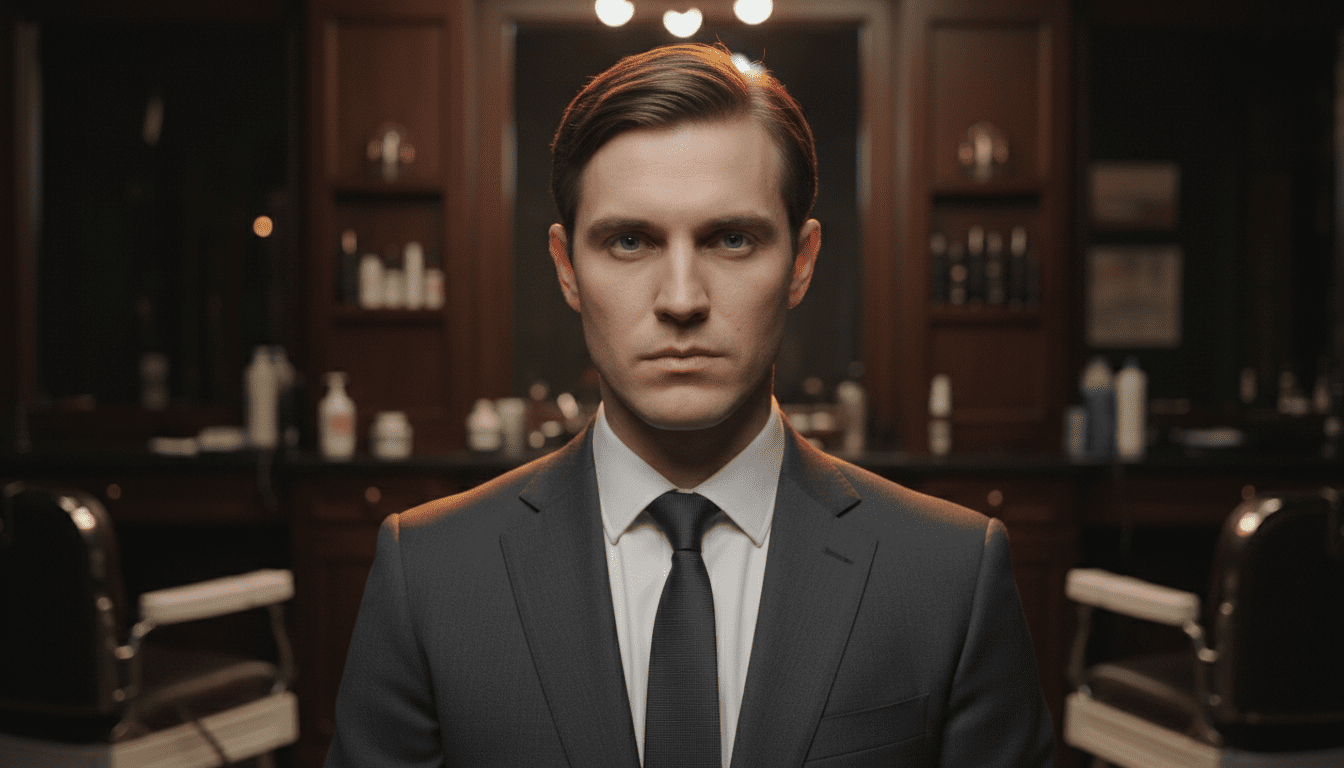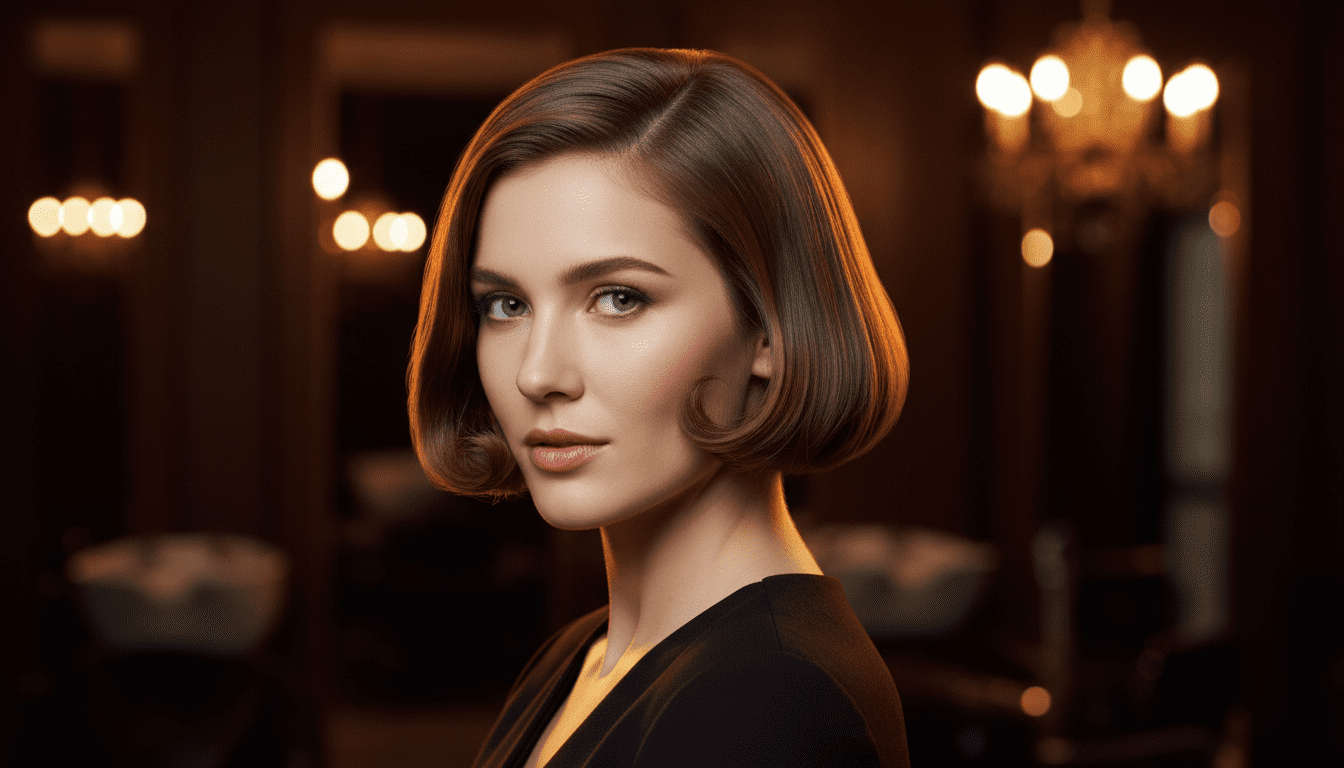

The Hard Part is a distinctive feature in contemporary men’s grooming, characterized by a deliberate, shaved line that separates the hair. This style has seen a significant resurgence since the 2010s, evolving into a key component of modern men’s haircuts, particularly when paired with fades and undercuts. It is favored by individuals seeking a sharp, modern, and high-impact aesthetic.
While its recent popularity is notable, the concept of a distinctly defined part has historical precedents. Echoes of this precise separation can be observed in the polished styles of the early to mid-20th century, where a neat part often signified sophistication. The Hard Part of today builds upon this foundation, offering a refined yet assertive look that remains a strong and evolving trend well into the present decade.
Understanding the Hard Part
The Hard Part is a specific haircut element defined by a meticulously shaved or closely trimmed line, which serves to delineate a hair part. Unlike a natural part that is merely combed into place, this is a permanent, structural incision made with a razor or fine clippers, creating a sharp, clean line that forms a distinct division within the hair. This deliberate declaration enhances the structure of the hairstyle.
The fundamental components typically include:
- The Defined Part: This is the focal point, created with precision tools like clippers or a straight razor. The result is an undeniable line that separates the hair. Its width can be customized but is consistently prominent.
- The Sides: A Hard Part is frequently integrated with shorter sides, such as a fade or an undercut. This intentional contrast between the closely cut sides and the longer upper section contributes to its contemporary appeal.
- The Top: The hair on the crown is generally maintained at a longer length, offering diverse styling options such as a comb-over, a slick back, or a quiff. The specific length is determined by the desired overall style.
While often referred to as a “Razor Part,” “Defined Part,” or “Clipper Part,” these terms all denote the same core concept of an artificially created, prominent part line.
Communicating Your Desired Hard Part to Your Barber
To ensure your vision for a Hard Part is realized, clear communication with your barber is paramount.
- Visual References: Presenting photographic examples of the exact style you envision is invaluable. Images from various angles can convey nuances that words alone might miss.
- Side Length Specification: Clearly articulate the desired style for the sides. Options include a low fade, a high fade, or a skin fade. A professional barber can provide guidance if you are uncertain.
- Top Length and Styling: Describe the intended length for the hair on top. Specify if it should be long enough for a comb-over, a quiff, or a slick back, and mention any preferred finish, such as matte or a wet look.
- Part Definition: Discuss the preferred width and intensity of the part. Indicate if a super sharp line created with a straight razor is desired, or a slightly softer demarcation achieved with clippers. Precision in these details is key.
- Seek Clarification: Do not hesitate to ask your barber questions about the process or potential outcomes. Barbers possess the expertise to clarify doubts and guide clients toward the optimal cut.
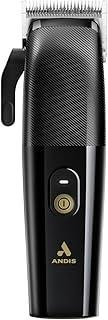
The Hard Part itself is executed using precision clippers or a straight razor to establish the defined line. Fades are achieved through a graduated application of clipper guards and specialized blending techniques. The length on top is typically cut with scissors or clippers, contingent on the final aesthetic.
Hard Part Variations
The Hard Part is a versatile element, allowing for numerous stylistic adaptations.
- The Disconnected Hard Part: This variation features a significant length differential between the top and sides, resulting in a more pronounced contrast.
- The Faded Hard Part: This integrates a seamless fade from the short sides into the longer top, with the hard part serving as a distinct demarcation.
- The Textured Hard Part: This approach emphasizes natural hair texture and movement on the top, often styled with products that enhance a relaxed, less formal appearance.
- The Hard Part with a Quiff: This combines the definitive part with a classic quiff, introducing volume and height to the front section of the hair.
- The Double Hard Part: An unconventional option for individuals seeking an exceptionally distinctive and bold look, featuring two parallel or converging hard parts.
Each variation subtly alters the overall character of the style. A disconnected Hard Part projects a bold and edgy image, while a faded Hard Part offers a more understated and refined aesthetic. A textured Hard Part conveys casual sophistication, whereas a Hard Part with a quiff maintains a classic and stylish presence. The choice ultimately aligns with individual preferences and desired impact.
Hard Part Versus Related Styles
Distinguishing the Hard Part from similar hairstyles is important for clarity.
Side Part: A side part is a conventional hairstyle where hair is naturally parted to one side. Crucially, it lacks the shaved or clipped line that defines a Hard Part, presenting a more subtle and organic appearance.
Undercut: An undercut features considerably shorter or shaved hair on the sides, juxtaposed with longer hair on top. While a Hard Part can be integrated into an undercut, the primary focus of an undercut is the contrast between the side and top lengths, whereas the Hard Part’s defining characteristic is the precisely structured part line.
Comb Over: A comb over involves directing hair across the scalp to one side, often to mitigate the appearance of thinning hair or a receding hairline. A Hard Part can complement a comb over by providing a more defined and intentional aesthetic, but the two concepts serve different primary functions: the comb over addresses coverage, while the Hard Part enhances style.
Is the Hard Part Suitable for You?
Considering the attributes of the Hard Part against personal factors can help determine its suitability.
- Lifestyle: The Hard Part is an ideal choice for those seeking a sharp, modern, and high-impact look that necessitates regular barber visits to maintain its crisp, defined line. It is not a wash-and-go style, requiring consistent styling effort and product application to uphold its aesthetic.
- Face Shape: This style complements square, oval, and heart-shaped faces effectively. The pronounced part can lend definition to softer features and harmonize stronger jawlines. It is generally less recommended for very round faces, as it can inadvertently emphasize roundness.
- Personality: This style appeals to individuals who appreciate making a deliberate statement. Its adaptability allows it to suit both classic and edgy personalities, depending on the chosen styling. For those who enjoy experimenting with distinct looks, the Hard Part provides a versatile foundation.
- Hair Characteristics:
- Trim/Cut Length: The sides are typically short, incorporating fades or undercuts, while the top can range from medium to long.
- Hair Length (starting): A minimum of several inches of hair on top is generally required to execute a Hard Part effectively.
- Hair Type: This style works well with straight, wavy, and certain curly hair types. The success lies in a barber’s ability to adapt the cut to the client’s specific hair texture.
- Hair Texture: Fine, medium, and thick hair can all support a Hard Part. Thicker hair often provides greater natural volume and structure, while finer hair may require additional styling products for desired definition.
- Hair Health: It is not ideal for hair that is severely thinning, as the defined part can draw attention to sparse areas. However, for minor receding hairlines, it can create a more intentional and stylish appearance. Consultation with a barber regarding specific hair health concerns is advised.
Culturally, the Hard Part is largely without strong ethnic specificities, transcending various cultural contexts. It is a popular choice among professionals, academics, and creatives from diverse backgrounds. Local communities and subcultures may, however, develop their own distinctive interpretations or styling methods for the Hard Part.
Beyond the Cut: Essential Hard Part Considerations
Once the Hard Part is established, maintaining its distinctive appearance involves specific practices.
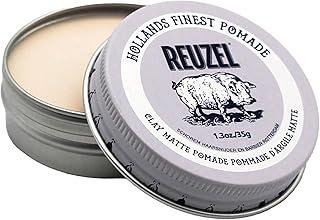
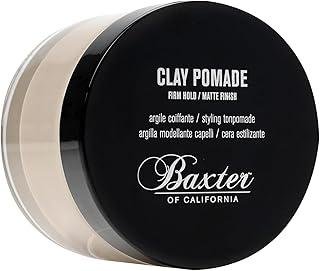
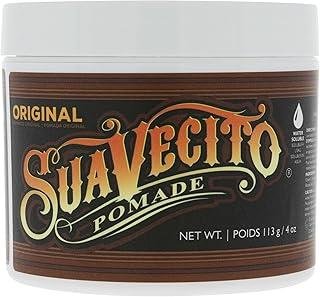
- Styling Product Selection: The Hard Part demands appropriate styling products to achieve its defined shape and lasting hold. Strong-hold pomades or waxes are crucial. Sea salt spray can be used to impart texture and volume where desired. A finishing hairspray helps to secure the style. It is important to avoid excessive product application, which can lead to a greasy or unnatural finish.
- The Importance of a Skilled Barber: The successful execution and ongoing maintenance of a Hard Part hinge on the expertise of a barber specializing in such styles. Seek professionals with demonstrated experience in fades, undercuts, and detailed clipper work. Reviewing their portfolio and asking pertinent questions are recommended. A proficient barber will understand client objectives and guide them toward the optimal result.
- Understanding Visual Impact: The Hard Part’s appearance varies from different perspectives. Dedicating time to observe how the hair settles and how the part complements one’s face shape from various angles is beneficial for mastering personal styling.
- Transitioning from a Hard Part: Should a change in style be desired, transitioning away from a Hard Part is achievable. This typically involves gradually growing out the sides and allowing the part line to soften over time. A barber can provide a tailored plan for evolving the style.
- Considerations for Different Ages: While suitable across age groups, the presentation of a Hard Part can be adapted. For mature individuals, a softer, more textured iteration often appears more sophisticated and age-appropriate than an overly disconnected or slicked-back rendition.
Pop Culture and the Hard Part
The Hard Part has been prominently featured by various public figures and fictional characters, cementing its status in popular culture. Notable examples include Cillian Murphy’s portrayal of Thomas Shelby in “Peaky Blinders,” which popularized the disconnected variation. David Beckham has frequently showcased different iterations of the Hard Part, highlighting its adaptability. Zac Efron has also demonstrated its versatility, often adopting a more casual and softened version. Such endorsements have significantly contributed to the Hard Part’s widespread appeal, establishing it as a symbol of contemporary style and self-assurance.
Maintenance and Longevity
Sustaining the pristine appearance of a Hard Part requires a regimented maintenance routine.
- Washing Protocol: Avoid excessive shampooing; typically, washing every other day is sufficient. Utilize a high-quality shampoo and conditioner formulated for your specific hair type.
- Drying Techniques: Air-drying is preferred to minimize potential heat damage. Alternatively, a microfiber towel can be used to gently absorb excess moisture.
- Styling Products: Employ styling products that offer effective hold and texture without weighing the hair down. Experimentation with different formulations can help identify the most suitable options.
- Regular Trimming: To preserve the integrity and precision of the cut, scheduled visits to your barber every 2-4 weeks are essential. This frequency ensures the part line remains sharp and the side lengths are maintained.
Hard Part FAQs
- How can the Hard Part be styled to avoid an overly severe look? Incorporating a softer fade on the sides and utilizing texture-enhancing products to introduce movement to the top section can mitigate severity.
- Is the Hard Part viable for curly hair? Yes, provided the barber possesses the requisite skill to work with curly textures, shaping the Hard Part to complement the natural curl pattern.
- What is the recommended width for a Hard Part? The width is a matter of personal preference. A wider part creates a more dramatic effect, while a narrower line is subtler.
- Is the Hard Part suitable for a receding hairline? Depending on the extent of recession, a Hard Part can sometimes create a more intentional and stylized appearance. However, for significant hairline recession, alternative styles might be more advantageous. Consultation with a barber is crucial.
- What if hair growth is rapid? Regular barber visits are paramount. Individuals with fast-growing hair may require more frequent appointments to maintain the style’s definition.
- Can a Hard Part be created at home? While technically possible, achieving a professional, clean, and defined part line demands considerable skill and precision, making a barber’s expertise highly recommended.
- Which product is best for maintaining part definition throughout the day? A strong-hold pomade or wax is typically most effective. Apply to damp hair, comb into place, and consider a light application of hairspray for added longevity.
Conclusion
The Hard Part transcends a mere haircut; it functions as a definitive style statement. It embodies confidence and individual expression, allowing for diverse personal interpretations, from classic to avant-garde. Its capacity to adapt to various aesthetics underscores its enduring appeal and status as a hallmark of modern men’s grooming.