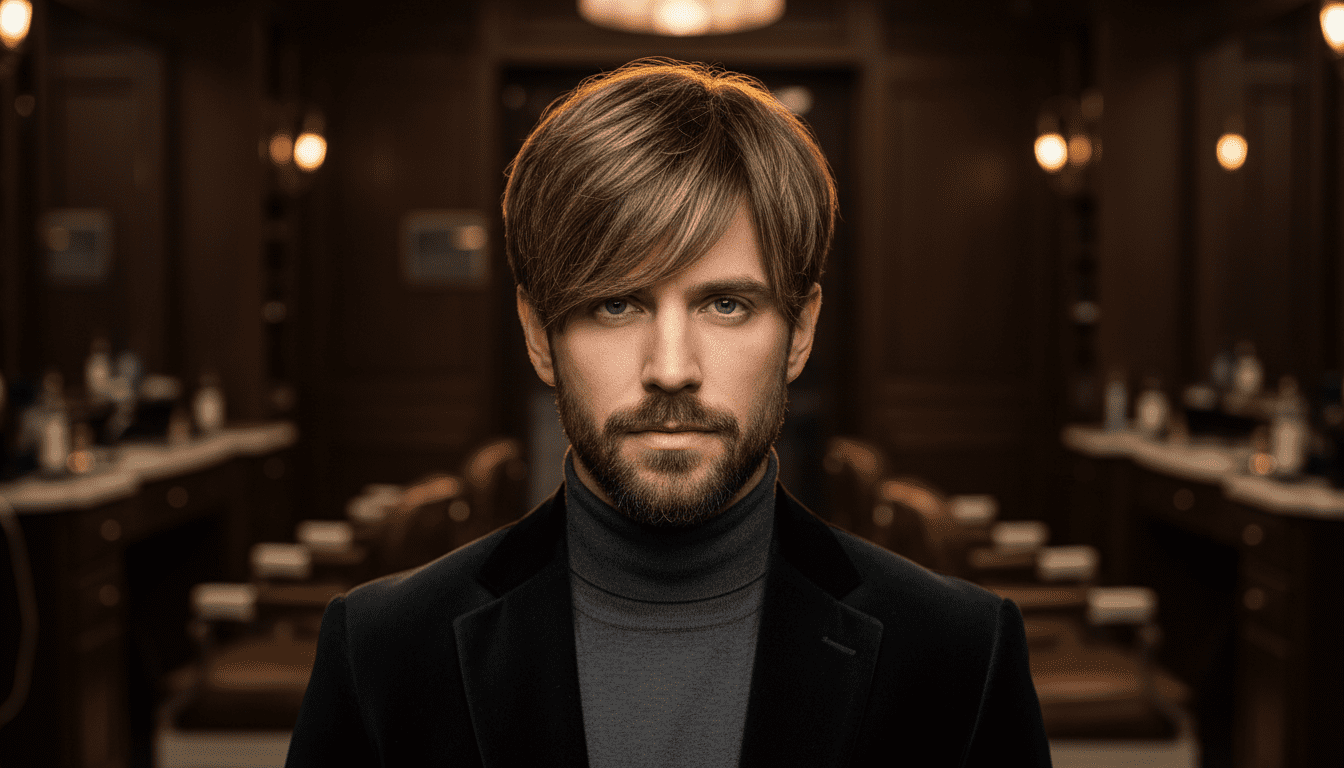
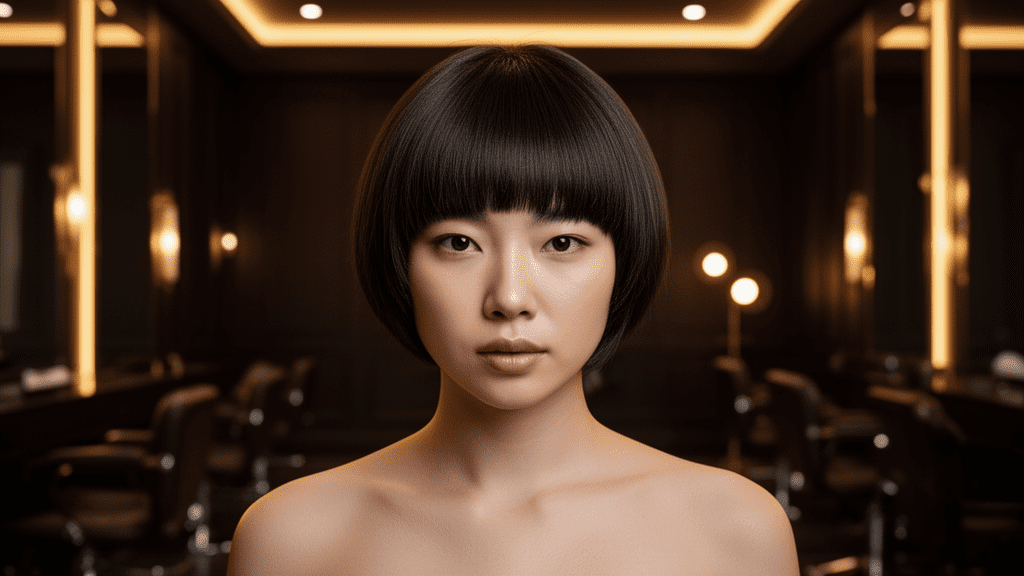
The Mushroom Cut is a distinctive hairstyle characterized by a blunt cut all around the head, creating a uniform, rounded shape that resembles an inverted bowl. It is a bold and graphic option, often chosen for its clear lines and unique aesthetic. This style has experienced several periods of prominence, evolving from iconic cultural statements to modern, individualized interpretations.
Historical Trajectory
The origins of a uniformly rounded haircut can be traced through various periods, but its significant modern resurgence is often associated with the 1960s. This era saw The Beatles popularize a longer, softer version of the style, cementing it as a statement that often ran counter to the more structured men’s hairstyles of previous decades. It represented a subtle rebellion and a shift towards more expressive personal grooming.
Later, the style re emerged in the 1980s with sharper angles and, at times, asymmetrical elements, fitting the new wave and geometric fashion trends of the time. In contemporary grooming, particularly from the 2010s onward, the Mushroom Cut has found new life through softened edges, layered textures, and disconnected forms, appealing to those who appreciate its retro charm with a modern edge. It aligns with an ideal lifestyle for individuals seeking a distinct, fashion-forward appearance.
Understanding the Mushroom Cut
The core of the Mushroom Cut lies in its precise structure. While sometimes colloquially referred to as a bowl cut or even a pageboy, the Mushroom Cut is typically executed with more intentionality and refined technique. Its defining features include:
- Uniform Length: The hair maintains a consistent length from the crown to the perimeter, ensuring the signature rounded shape.
- Blunt Lines: The cut typically features clean, blunt lines around the perimeter, which contribute to its distinct silhouette and graphic quality. Modern versions may incorporate slight texturing to soften the overall effect.
- Prominent Fringe: The fringe, or bangs, is an integral element, framing the face. It can range from a blunt, straight-across cut to a more textured or even micro fringe, depending on the desired aesthetic.
These elements combine to create a style that emphasizes shape and precision, making it a standout choice among short haircuts.
Achieving the Desired Look
To ensure the Mushroom Cut aligns with your vision, clear communication with your barber or stylist is essential. Consider the following:
- Visual References: Provide clear photographs of the specific Mushroom Cut style you desire. Visual aids eliminate ambiguity and help convey nuances in length and shape.
- Length Specification: Clearly state the intended length, whether it should fall at the cheekbones, jawline, or a different point. This is critical for achieving the correct rounded shape.
- Fringe Detail: Discuss the style of fringe. Options include a classic blunt fringe, a softer textured fringe, or a short, bold micro fringe. This choice significantly impacts the overall appearance.
- Hair Texture Consideration: Inform your barber or stylist about your natural hair texture. Fine hair may require different cutting techniques than thick or coarse hair to achieve the optimal mushroom silhouette.
- Maintenance Expectations: Be transparent about your willingness to style the haircut daily. A sleek, polished Mushroom Cut typically requires more styling commitment than a textured, more relaxed version.
Modern Interpretations
The adaptability of the Mushroom Cut allows for various contemporary variations:
- Softened Mushroom: This version incorporates subtle layering or textured ends, providing a less severe and more relaxed aesthetic while maintaining the overall rounded form.
- Micro Fringe Mushroom: Characterized by very short, often choppy bangs that sit high on the forehead, this variation introduces an edgy and playful element.
- Asymmetrical Mushroom: Diverging from uniformity, this style features one side cut slightly longer than the other, creating dynamic movement and an unconventional silhouette.
- Layered Mushroom: The introduction of subtle internal layers throughout the cut softens its outline and enhances natural movement, particularly beneficial for thicker hair to reduce bulk.
Suitability Considerations
The Mushroom Cut is a versatile choice, but certain characteristics enhance its effect:
- Personal Lifestyle: This haircut can be adapted for both moderate and low maintenance routines. A polished finish requires daily styling, whereas a textured version offers greater wash-and-go ease. It is a style that inherently makes a statement, suiting those who embrace a distinctive appearance.
- Face Shape: Oval and heart-shaped faces are particularly well-suited to the Mushroom Cut. Square faces can also benefit, as the rounded lines can soften angular features. Individuals with round faces should consider adding subtle height at the crown to elongate the facial profile.
- Personality: This cut aligns with confident, playful, and expressive personalities who are comfortable with a unique and attention-grabbing hairstyle.
- Hair Characteristics:
- Length: The cut typically ranges from chin to cheekbone length, requiring a minimum starting length of at least chin-length.
- Hair Type: Straight or slightly wavy hair types best showcase the precise shape of the cut. While possible with wavy or curly hair, the distinct mushroom outline may be less pronounced.
- Hair Texture: Fine to medium hair textures are ideal. For thick hair, strategic layering is recommended to prevent a heavy or “helmet-like” appearance.
- Hair Health: This style is not ideal for thinning hair, as its uniform length can draw attention to sparse areas. It requires a healthy scalp and regular trims to maintain its integrity.
- Ethnic and Cultural Contexts: While globally adaptable, the Mushroom Cut holds particular cultural significance in East Asian regions, notably in South Korea and Japan, where it is often associated with youthful and aesthetically pleasing looks.
Notable Appearances
The Mushroom Cut has graced numerous prominent figures in pop culture, underscoring its enduring appeal:
- The Beatles: Their early “mop-top” style remains the quintessential example of the Mushroom Cut’s cultural impact.
- Anna Karina: The French New Wave actress epitomized the chic and sophisticated possibilities of the Mushroom Cut.
- Amélie (from the film Amélie): The character’s whimsical Mushroom Cut perfectly complemented her quirky and imaginative persona.
- Sia: The artist’s signature wig often features a dramatic, face-concealing Mushroom Cut, making it an iconic element of her public image.
Maintenance and Upkeep
Maintaining the pristine shape of a Mushroom Cut is key to its longevity:
- Washing Frequency: Washing 2-3 times per week is generally adequate. Over-washing can strip essential oils, potentially leading to dryness.
- Drying Methods: Air-drying can offer a more relaxed, textured finish. For a sleek and polished look, blow-drying with a round brush helps to smooth the hair and add volume.
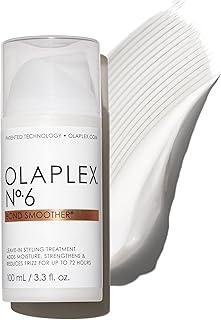
- Styling Aids: Lightweight mousses or texturizing sprays can enhance volume and definition, while smoothing serums can impart a polished finish. Avoid heavy products that might weigh the hair down.
- Trimming Schedule: Regular trims every 6-8 weeks are crucial to preserve the precise shape and blunt lines of the Mushroom Cut, preventing split ends and maintaining its overall aesthetic.
Frequently Asked Questions
- Does a Mushroom Cut make the face appear rounder? Potentially, yes. This can often be mitigated by incorporating subtle height at the crown or by adjusting the overall length to be less severe around the jawline.
- Is the Mushroom Cut high maintenance? Maintenance levels vary. A sleek, perfectly styled Mushroom Cut demands more daily attention than a softer, more textured iteration.
- Can a Mushroom Cut be achieved with curly hair? Yes, but the distinctive rounded silhouette may be less defined. Layering can be employed to add structure and prevent excessive bulk.
- What is the distinction between a Mushroom Cut and a bowl cut? While “bowl cut” is an informal term, the Mushroom Cut typically refers to a more deliberately styled and often longer version, executed with greater precision and design intent.
- How should a Mushroom Cut be styled? For volume and definition, a texturizing spray can be effective. For a sleek, refined look, a smoothing serum can provide a polished finish.
- Which face shapes are most suited for a Mushroom Cut? Oval and heart-shaped faces are generally the most flattered. Square faces can also carry the style well, as its rounded form softens angular features.
- What type of fringe complements a Mushroom Cut? The choice of fringe is personal. A blunt fringe offers a classic look, while textured or micro fringes provide a more contemporary edge.
The Enduring Appeal
The Mushroom Cut remains a bold, versatile, and undeniably striking hairstyle. Whether echoing historical trends or embracing modern adaptations, it offers a distinctive aesthetic for those seeking a defined and memorable silhouette.