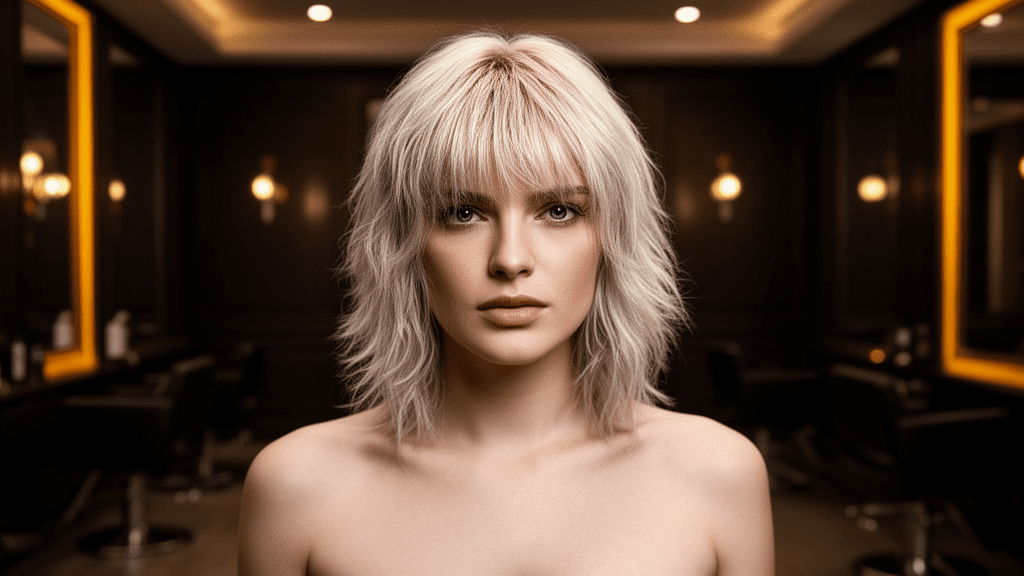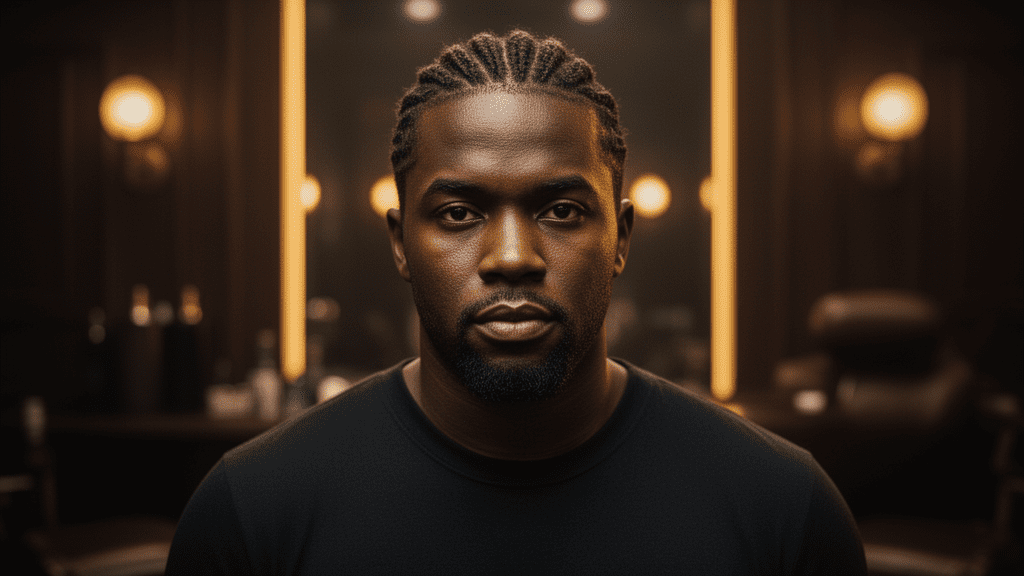
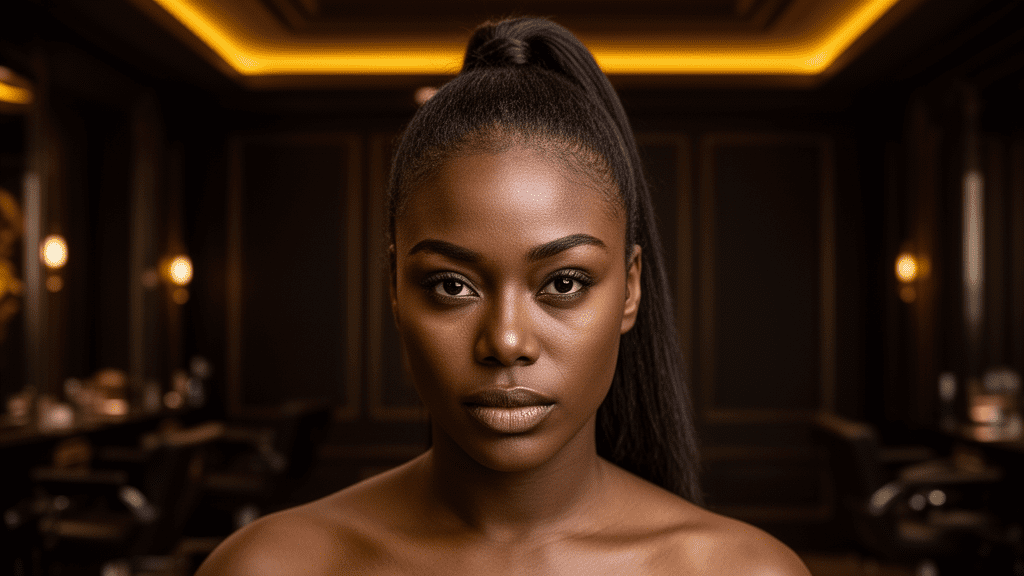
The ponytail is a universally recognized and remarkably versatile hairstyle, characterized by gathering all or most of the hair and securing it away from the face, typically at the back of the head. This method creates a clean, practical, and often elegant silhouette, adaptable for virtually any context. Its continuous popularity across decades underscores its unparalleled utility, ease of styling, and capacity for reinvention, making it a go-to choice for individuals across diverse lifestyles.
Understanding the Ponytail
Fundamentally, a ponytail involves collecting the hair into a single bundle and fastening it with an elastic, tie, or other hair accessory. While deceptively simple in concept, the ponytail offers infinite variations in height, placement, texture, and accessorization. The core purpose remains consistent: to keep hair neatly secured and off the face, presenting a polished appearance with minimal effort. It is primarily a styling choice rather than a haircut itself, though the underlying cut significantly influences the final aesthetic of a worn ponytail.
Consulting a Stylist for Ponytail-Friendly Hair
While one does not typically request “a ponytail” from a stylist, the foundation for an optimal ponytail often begins with the haircut. A skilled stylist can recommend a cut that enhances the desired ponytail style. For instance, achieving a high, voluminous ponytail may benefit from specific layering around the crown and face. Conversely, a sleek, low ponytail often looks best with a more uniform, blunt cut that minimizes flyaways. Effective communication with a stylist is paramount. Providing visual references and describing your preferred styling routines will help a professional tailor a cut that facilitates your desired ponytail aesthetics.
Exploring Ponytail Variations
The adaptability of the ponytail allows for a spectrum of styles, each conveying a distinct impression:
- The High Ponytail: Positioned at the crown of the head, this style offers a lifted, energetic appearance, often associated with confidence and a polished finish. It can accentuate facial features and create an elongating effect.
- The Low Ponytail: Situated at the nape of the neck, the low ponytail projects an air of understated elegance and sophistication. It can be worn sleek for a formal look or gently textured for a more relaxed aesthetic.
- The Side Ponytail: A playful and somewhat retro option, the side ponytail brings a soft, asymmetric balance to the silhouette. Its versatility allows it to be styled casually or dressed up for specific occasions.
- The Bubble Ponytail: A contemporary and creative iteration, the bubble ponytail involves securing sections of hair at intervals along the length of the ponytail, creating distinct, rounded segments. This adds a unique texture and visual interest.
- The Braided Ponytail: Incorporating a braid into the ponytail introduces intricate texture and added elegance. This can range from a simple three-strand braid integrated into the tail to more complex French or fishtail braids leading into the pony.
Ponytail, Bun, or Updo: Distinguishing Key Styles
While all involve gathering hair away from the face, ponytails, buns, and updos possess distinct characteristics. A ponytail leaves the length of the hair free-flowing from its secured base. A bun, in contrast, involves coiling or folding the gathered hair back onto itself and securing it close to the head, such as a messy bun or a sleek bun. An updo is a broader category encompassing any hairstyle where the hair is arranged upwards and away from the neck, often for formal occasions. Ponytails can form the base of many updos and are often a component in more complex updos and braids creations.
Suitability: Is the Ponytail for You?
The ponytail’s universal appeal stems from its adaptability, though certain considerations optimize its wearability for different individuals:
- Personal Lifestyle: The ponytail is a practical choice for an active lifestyle, offering comfort and efficiency. It transitions seamlessly from a workout to a professional setting or a casual outing, demonstrating its versatility.
- Face Shape: The placement of a ponytail can complement various face shapes. A high ponytail can add perceived length to a round face, while a low or side ponytail may soften the lines of a longer face. Oval face shapes generally accommodate any height.
- Personality: This style acts as a canvas. It can embody athleticism, sophistication, an edgy demeanor, or classic charm, depending on its execution and accompanying attire.
- Hair Characteristics:
- Hair Length: Sufficient length to gather the hair comfortably at the desired height is essential. Shoulder-length hair or longer is typically ideal, though shorter styles can accommodate mini or half-up ponytails.
- Hair Type and Texture: Straight hair lends itself to sleek, polished ponytails, while wavy and curly textures naturally create voluminous, textured looks. Fine hair can be enhanced with root teasing for added body, whereas thick hair supports more elaborate, voluminous styles.
- Hair Health: While generally gentle, overly tight ponytails, especially on damaged hair, can lead to stress or breakage. Utilizing soft, fabric-covered elastics and varying placement can mitigate these concerns.
- Ethnic and Cultural Contexts: The ponytail transcends cultural boundaries globally. Variations, such as braided ponytails, hold particular significance and popularity within many African and African diasporic communities, often featuring intricate patterns and unique embellishments.
Essential Ponytail Considerations
To optimize the appearance and health of a ponytail, consider these professional insights:
- Volume Enhancement: Introducing subtle teasing at the roots before gathering the hair can add lift and prevent a flattened appearance at the crown.
- Versatile Styling: The ponytail extends beyond athletic wear. Elevate its aesthetic by incorporating accessories, experimenting with texture, and pairing it with sophisticated ensembles.
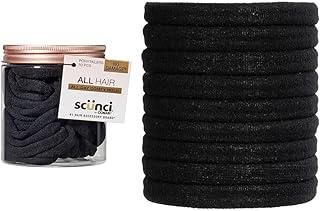
- Hair Tie Selection: Invest in quality, snag-free hair ties or scrunchies. Harsh elastics can cause hair breakage and leave indentations.
- Texture Play: While a sleek finish is timeless, embracing natural texture or enhancing it with a texturizing spray can create a more effortless, modern aesthetic.
- Accessorization: Hair accessories, from silk scarves to jeweled clips, offer immediate transformation, allowing for customization and refinement of the style.
The Ponytail in Popular Culture
The ponytail has been a recurring motif in popular culture, adorning iconic figures from various eras. From Princess Jasmine’s distinctive high ponytail to Audrey Hepburn’s refined low ponytail in “Breakfast at Tiffany’s,” and the signature, sky-high ponytails favored by contemporary pop stars, this style consistently captures attention and inspires trends. Its enduring presence underscores its universal appeal and adaptability across different aesthetic movements.
Maintenance and Longevity
Maintaining the health of hair styled in a ponytail involves consistent care practices:
- Washing Frequency: The frequency of washing depends on individual hair type and activity. Generally, washing every two to three days is adequate for most hair types.
- Drying Methods: Air drying is the gentlest approach. If blow-drying is necessary, utilizing a diffuser on a lower heat setting helps minimize potential damage.
- Re-Trim Schedule: Regular trims, typically every 6 to 8 weeks, are crucial for preventing split ends and maintaining overall hair health, contributing to a clean and polished ponytail.
Ponytail FAQs
Q: Can a ponytail damage my hair?
A: Frequent, excessively tight ponytails can contribute to hair breakage, particularly if worn in the same spot daily. Utilizing soft elastics, avoiding extreme tension, and varying the placement of your ponytail can mitigate potential damage.
Q: How can I achieve more volume in my ponytail?
A: To enhance volume, gently tease the hair at the crown before securing the ponytail. Employing a volumizing spray or blow-drying hair upside down can also add lift.
Q: What is the best way to prevent a ponytail from slipping?
A: Applying a texturizing spray or dry shampoo to the hair can create additional grip. Ensuring the hair tie is adequately secure, without being overly tight, also helps maintain its position.
Q: Which type of hair tie is recommended for ponytails?
A: Opt for soft, fabric-covered elastics or scrunchies. These minimize friction and reduce the likelihood of hair breakage and indentations.
Q: Is it possible to wear a ponytail with short hair?
A: Yes, even shorter hair can be styled into a half-up ponytail or a small, low ponytail. These variations offer a chic and practical option for managing shorter lengths.
The Ponytail: A Timeless Classic, Reinvented
The ponytail’s journey from an ancient method of hair management to its modern iterations illustrates its fundamental appeal. It remains a cornerstone of practical and stylish hair management, continually reinvented to suit contemporary aesthetics. Whether sleek, textured, high, or low, the ponytail offers an accessible path to a composed and versatile appearance.