

The Rattail is a distinctive haircut characterized by a single, thin section of hair at the nape of the neck left long, contrasting sharply with the remainder of the hair, which is cut significantly shorter. This style embodies a highly unique, bold, and unconventional aesthetic, intentionally designed to defy traditional grooming norms and serve as a strong personal statement.
While often associated with specific decades, the Rattail has a lineage that suggests various cultural manifestations over time. Its modern iteration gained particular notoriety as a subculture statement during the 1980s and 1990s, frequently appearing within punk and alternative music scenes, as well as skater culture. Today, it occasionally resurfaces as a novelty or niche retro trend, appealing to individuals seeking an individualized and often ironic expression of style.
Understanding the Rattail
At its core, a Rattail involves a stark contrast in hair length. The bulk of the hair is typically cut short, often into a fade, buzz cut, or a closely cropped style, while a single, narrow section at the back is preserved and allowed to grow to a considerably longer length. This ‘tail’ can vary in its thickness, from a delicate strand to a more substantial cord, and its length can range from shoulder-grazing to extending down the back.
Unlike styles such as the Mullet, which features a broader section of longer hair at the back, the Rattail is defined by its singular, concentrated strand. Barbers emphasize clear communication to ensure the intended outcome, distinguishing between a deliberate stylistic choice and an unintentional oversight in cutting.
Obtaining the Rattail Cut
Achieving an intentional and well-executed Rattail requires precise consultation with a skilled barber. The process involves several key considerations to ensure the style aligns with the wearer’s vision:
- Defining the Tail: Specificity regarding the desired length, thickness, and placement of the tail is paramount. Considerations include whether the tail should be razor-thin or possess more body.
- Selecting the Base Cut: The style surrounding the tail significantly influences the overall look. Options range from a shaved sides aesthetic, a high or low fade, a buzz cut, or a textured crop on top.
- Determining Length: The ultimate length of the tail needs to be established, whether it is intended to reach the shoulders, mid-back, or another specific point. This decision informs the overall balance of the haircut.
- Visual References: Providing photographic examples can greatly assist the barber in understanding the desired outcome, especially for a style that can be interpreted in various ways.
- Barber’s Expertise: Trusting the barber’s professional judgment is crucial. They possess the knowledge to adapt the cut to suit individual face shapes, hair types, and growth patterns, ensuring a polished and deliberate appearance.
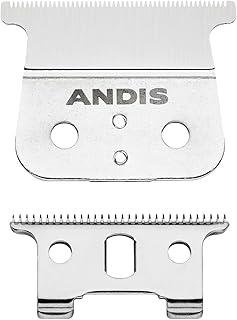
Barbers typically employ clippers for the shorter sections and precise scissor work to shape and refine the singular tail, integrating fades, tapers, or specific textures as requested.
Rattail Style Variations
The Rattail is not a monolithic style; it offers versatility through various modifications:
- The Thin Tail: A fine, delicate strand that offers a more understated statement, often paired with shorter surrounding hair.
- The Braided Tail: Incorporating a braid into the tail adds texture and visual interest, offering a more intricate look.
- The Colored Tail: Dyeing the tail a contrasting or vibrant color creates a bold, attention-grabbing effect.
- The Undercut Rattail: Combining the distinctive tail with an undercut for a modern and edgy aesthetic.
- The Layered Tail: Introducing subtle layers within the tail itself can enhance movement and texture, preventing a rigid appearance.
These variations allow for significant personalization, ranging from playful accents to assertive fashion statements.
Is the Rattail Suitable for You?
The Rattail is a style that is undeniably distinctive and makes a clear statement. Its suitability often depends on individual preferences and lifestyle considerations.
- Lifestyle: This haircut is ideal for those seeking a highly unique, bold, and unconventional look. It is a style that attracts attention and is not designed for subtlety. While the daily styling of the tail itself may be low maintenance, the statement it makes is significant.
- Face Shape: The versatility of the Rattail lies in its base cut. Oval face shapes can typically accommodate most variations. Longer faces may benefit from shorter tail lengths to maintain balance, while rounder faces might find a longer tail helps to elongate the silhouette.
- Personality: The Rattail resonates with individuals who possess a bold, confident, and perhaps rebellious personality. It is often chosen by those who appreciate unconventional expressions and are comfortable challenging traditional aesthetics. It aligns well with an ideal personality seeking trendy edgy styles and a distinctive identity.
- Hair Characteristics:
- Length for Tail: A minimum of several inches of hair is required to form a visible and impactful tail.
- Hair Type: The Rattail generally works effectively with straight, wavy, and even loosely curly hair. Tighter curl patterns can be styled into a tail but may necessitate more dedicated maintenance for definition.
- Hair Texture: Fine to medium hair textures are often ideal for the tail, as very coarse hair can sometimes appear too stiff or stringy. The contrast of the short and long elements can also accentuate thinning hair, making it less ideal for those with significant hair loss.
- Cultural Context: While not ethnically specific, the Rattail has historically been embraced by various subcultures globally as a symbol of individuality and nonconformity.
Essential Rattail Considerations
For those contemplating this unique style, certain practical aspects are worth noting:
Visual Assessment: A Rattail is a multidimensional hairstyle. It is essential to understand how it appears from all angles: front, side, and back. This ensures satisfaction with the overall silhouette.
Confidence in Wear: Age is less a factor than confidence. A Rattail worn with conviction can transcend common perceptions. However, awareness of professional environments and societal norms regarding appearance can be prudent.
Barber Selection: Selecting a barber with experience in diverse and modern styles is critical for a Rattail. A clear understanding of the client’s vision and the barber’s skill in precision cutting will lead to the best results.
Transitioning Out: Should the wearer decide to change the style, growing out a Rattail is relatively straightforward. It can be gradually trimmed and blended into a more uniform length. A layered or textured cut can assist in disguising the transition period.


Rattails in Popular Culture
The Rattail has made sporadic but memorable appearances in popular culture, often associated with figures known for their unconventional style. From musicians to athletes and characters in media, its presence underscores its capacity to be a definitive visual marker. While its mainstream acceptance fluctuates, its recurring emergence in cultural spheres highlights its enduring if niche, impact as a statement hairstyle.
Maintaining the Rattail
Proper care ensures the Rattail retains its intentional and sharp appearance:
- Washing Routine: Hair should be washed as usual, with a gentle approach to the tail to minimize potential breakage.
- Drying Methods: Air drying is preferred for the tail. If blow-drying, a low heat setting and a diffuser can help prevent frizz and maintain its definition.
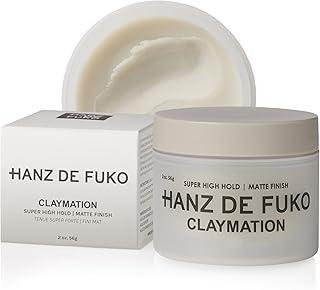
- Styling Aids: Styling aids can be utilized to define the tail, should the wearer choose to enhance its appearance.
- Regular Trims: Consistent trims every four to six weeks are crucial. This maintains the distinct shape of the tail, prevents split ends, and preserves the overall clean aesthetic of the cut.
Rattail Frequently Asked Questions
- Q: Is the Rattail considered a professional hairstyle?
- A: This depends heavily on the specific profession and workplace culture. In creative fields, it may be perceived as an expressive choice. In more conservative environments, it might be viewed as unconventional.
- Q: How long does it typically take to grow a Rattail?
- A: The growth rate varies per individual, but generally, a noticeable length for the tail can be achieved within a few months.
- Q: Is it common to receive judgment for having a Rattail?
- A: As a highly unconventional style, it may attract varied reactions. The key to wearing it successfully is confidence in one’s personal style.
- Q: Can women wear a Rattail?
- A: The Rattail is a gender-neutral hairstyle and can be worn by anyone who embraces its aesthetic.
- Q: Are there methods to make a Rattail appear more refined?
- A: A well-executed base cut, careful consideration of tail thickness and length, and confident styling are all factors that contribute to a polished Rattail.
- Q: Does a braided Rattail require more upkeep?
- A: A braided Rattail may require more attention, particularly re-braiding, to maintain its structure and prevent tangling, especially for those with textured hair.
The Essence of the Rattail
The Rattail stands as a testament to personal expression and a willingness to diverge from conventional trends. It is a haircut that consciously commands attention, inviting the wearer to embody a confident and individualistic approach to grooming.