
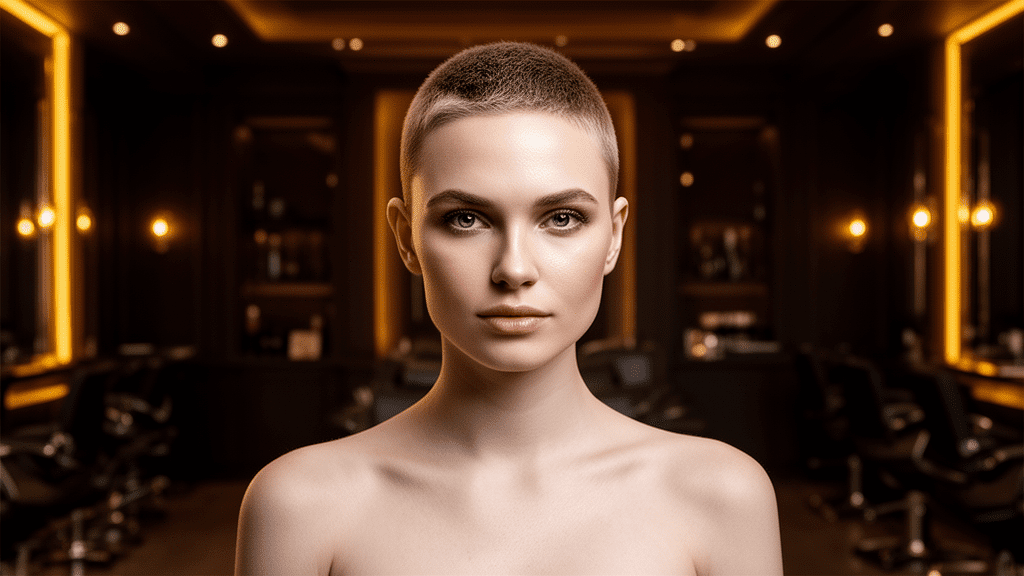
The Razor Hairstyle represents a distinct approach to hair cutting, prioritizing texture, movement, and a softer finish over blunt precision. This technique, while having roots in earlier hair sculpting methods, gained significant popularity in the 1970s and 1980s, particularly for creating feathered and shaggy looks. It has since solidified its position as an essential modern cutting technique, valued for achieving soft layers and dynamic movement across various hair lengths and styles.
Understanding the Razor Cut Technique
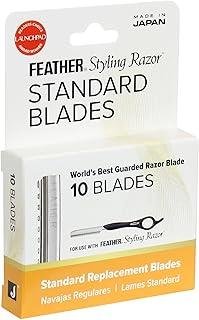
A razor cut is executed using a specialized razor blade, often fitted with a guard, to slice through the hair at an angle. This method stands in contrast to the use of shears, which typically create blunt, uniform ends. While scissors are often employed for precision-cut styles with definitive edges, the razor works by gently thinning and tapering the hair strands. This technique avoids the starkness of sharp lines, instead producing a diffused end that contributes to a lighter, more organic appearance. It is an effective way to remove bulk and add significant texture without the hard lines that traditional shears can sometimes impart.
Terms such as “textured cut,” “feathered cut,” or “slide cutting” are sometimes used interchangeably with a razor cut. While these descriptions convey aspects of the technique’s outcome, a true razor cut is defined by its specific application of the razor tool, demanding a skilled hand to achieve controlled, soft tapering.
Consulting Your Hair Professional for a Razor Cut
To ensure a successful razor cut, clear communication with your barber or stylist is paramount. Consider the following points when discussing your desired style:
- Visual References: Bringing photographs of razor cuts you admire provides a clear visual guide for your hair professional.
- Texture Preference: Articulate the degree of texture you seek. Phrases like “I am looking for significant movement and separation” or “I prefer a somewhat disheveled, effortless aesthetic” can be helpful.
- Desired Length: Be precise about the amount of hair you wish to remove, as razor cuts can be adapted for various lengths.
- Layering Details: Discuss the placement, length, and intensity of the layers you envision, as razor cutting excels at creating soft, blended layers.
- Hair Type Assessment: Inquire with your barber or stylist if a razor cut is suitable for your specific hair characteristics, as certain hair types may respond differently to the technique.
During the service, your hair professional will likely use a guarded razor, guiding it along sections of hair to create those soft, diffused ends. The angle and pressure applied will dictate the resulting texture and movement. They may also incorporate point cutting to refine the shape and reduce any remaining density.
Popular Razor Cut Variations
The inherent versatility of the razor cutting technique allows for its application in numerous styles. Here are some notable variations:
- The Shag: This classic layered haircut, enhanced by razor cutting, exhibits abundant texture and movement. It is ideal for adding volume and a distinctive, dynamic quality to hair of various lengths.
- Razor Cut Bob: A contemporary interpretation of the traditional bob, the razor imparts softness and texture, preventing the style from appearing overly blunt or severe.
- Textured Layers: For longer hair, razor-cut layers efficiently remove weight and cultivate an effortless, flowing movement. This method adds dimension and helps prevent hair from appearing flat.
- Choppy Bangs: Razor-cut bangs are characterized by their soft, wispy quality, which can frame the face with a touch of nuanced interest. They can be styled either side-swept or straight across.
Suitability for the Razor Cut
Determining if a razor cut aligns with your personal style and hair characteristics involves considering several factors:
- Lifestyle: A razor cut typically benefits from some degree of styling to fully highlight its texture and movement. While it can be adapted for a more casual, everyday appearance, it is not consistently a wash-and-go style without inherent hair texture. It can be a versatile choice for individuals seeking a style that can transition from understated to a more pronounced statement.
- Face Shape: This technique is adaptable across a range of face shapes. The soft, textured layers can effectively soften prominent jawlines, add definition to rounder faces, and contribute to balance for heart-shaped faces by adding fullness around the chin. It provides an alternative to more structured or geometric styles, offering a softer aesthetic.
- Personality: The razor cut often appeals to individuals who appreciate a modern, dynamic aesthetic that conveys confidence and individuality. It can be styled to appear edgy or more subtly sophisticated.
- Hair Characteristics:
- Trim Length: The amount of hair removed varies significantly, from a minimal half-inch for short bobs to several inches for longer, layered styles.
- Starting Length: Hair that is at least three inches long can benefit from a razor cut to introduce layers and movement.
- Hair Type: Razor cuts are suitable for straight, wavy, and certain curly hair types, though curly hair requires a particularly experienced hair professional to avoid frizz and maintain curl integrity.
- Hair Texture: This method is well-suited for medium to thick hair, as the razor aids in reducing bulk. Fine hair can also benefit, provided the hair professional exercises caution to avoid excessive volume reduction.
- Hair Health: Individuals with significantly damaged or breakage-prone hair should consult their hair professional, as a razor cut may exacerbate existing damage in some cases.
Essential Considerations for Razor-Cut Hair
Achieving and maintaining the optimal appearance of a razor cut involves specific attention to its unique characteristics.
Adapting to New Hair Behavior
Razor cutting alters how your hair behaves. It may dry differently, fall in new patterns, and necessitate adjusted styling techniques. Observing these changes and adapting your routine accordingly is key to managing the new style.
The Importance of a Skilled Professional
Selecting a hair professional proficient in razor cutting is crucial. Seek recommendations, review portfolios, and do not hesitate to discuss their experience with this specific technique.
Maintaining Hair Health
While razor-cut ends are soft, they can sometimes be more susceptible to dryness. Incorporating nourishing treatments, such as hair masks or leave-in conditioners, into your routine can help maintain hair hydration and overall health.
Cultural Impact of Razor Cuts
The razor cut is a resilient style that has frequently appeared in popular culture. From the iconic shaggy cuts of the 1970s, exemplified by figures like Debbie Harry, to contemporary styles seen on celebrities such as Jennifer Aniston and Selena Gomez, the razor technique has consistently adapted and remained relevant. Its enduring presence underscores its adaptability and continued appeal in the evolving landscape of fashion and grooming.
Longevity and Maintenance of Your Razor Cut
Consistent care is vital to preserve the distinct shape and texture of your razor cut.
- Washing Frequency: To prevent stripping natural oils and subsequent dryness, washing your hair two to three times per week is generally recommended.
- Drying Methods: Air drying is often ideal for enhancing the natural texture of a razor cut. If blow-drying is necessary, utilizing a diffuser attachment can minimize frizz and accentuate natural waves.
- Re-Trim Schedule: Razor cuts typically grow out gracefully. However, to maintain the integrity of the shape and prevent split ends, a re-trim every six to eight weeks is advisable.
Razor Cut Frequently Asked Questions
- Q: Will a razor cut cause damage to my hair?
- A: When executed correctly by an experienced hair professional, a razor cut should not cause damage. However, if hair is already compromised or prone to breakage, consulting with your professional beforehand is recommended.
- Q: Is the razor cut suitable for fine hair?
- A: Yes, with a skilled professional. The razor can add texture and volume to fine hair, provided care is taken to avoid removing excessive density.
- Q: Can individuals with curly hair receive a razor cut?
- A: Absolutely, but it is essential to seek a hair professional who specializes in razor cutting curly hair. This hair type requires a nuanced approach to prevent frizz and preserve curl definition.
- Q: How is a razor cut typically styled?
- A: Styling varies based on the specific cut and desired outcome. Generally, air drying or diffused drying, coupled with light styling for texture enhancement, are effective methods.
- Q: Will a razor cut make my hair appear thinner?
- A: When performed correctly, a razor cut is intended to add volume and texture, not to make hair appear thinner.
Conclusion
The Razor Hairstyle is more than a cutting technique; it is a method for imparting a specific aesthetic. It offers a contemporary approach to hair, emphasizing texture, softness, and natural movement. For those seeking a style that is both dynamic and effortlessly sophisticated, the razor cut presents a compelling option.