Introduction
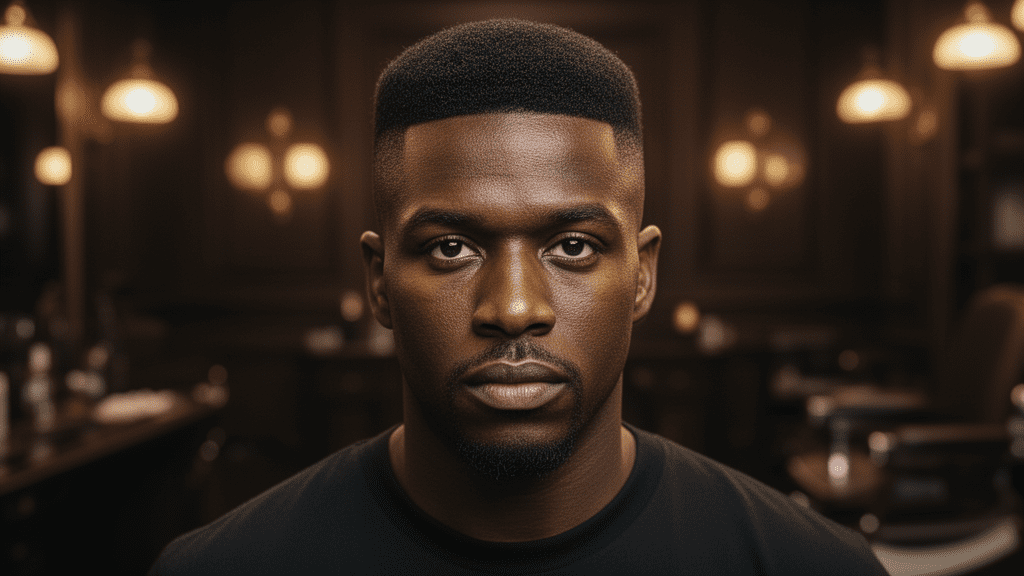
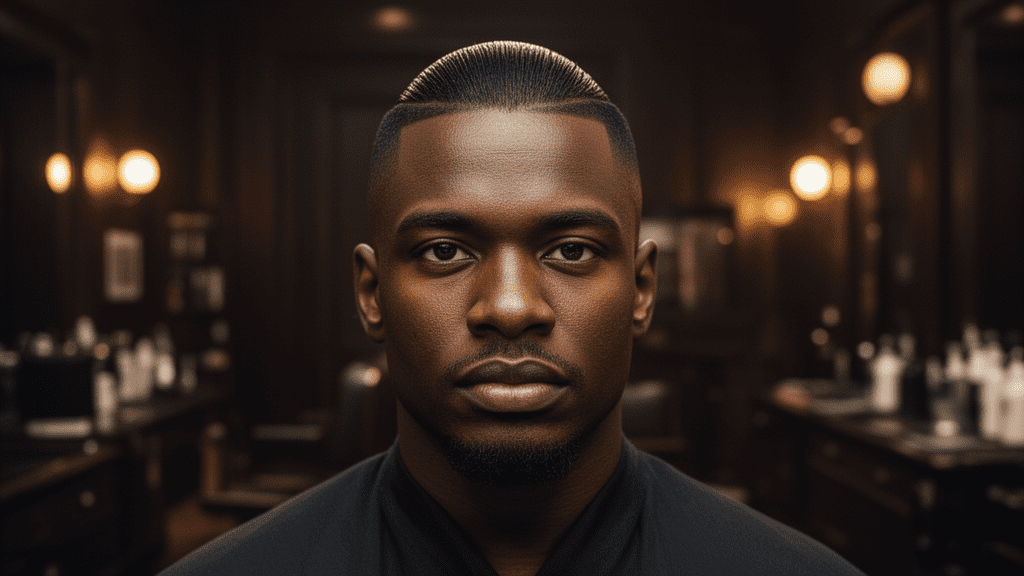
The Slick Back Fade stands as a sophisticated and modern men’s hairstyle, skillfully blending the timeless appeal of slicked-back hair with the sharp, clean lines of a contemporary fade. This style features hair on top that is sufficiently long to be smoothly directed backward, transitioning seamlessly into sides and a back that are either sharply faded or undercut. It represents a fusion of classic elegance and current grooming trends, making it a prominent choice for men seeking a refined yet distinct appearance.
Historical Context and Modern Resurgence
The origins of the slick back can be traced to eras defined by sharp tailoring and meticulous grooming, such as the 1920s and 1930s, where hair styled away from the face signified sophistication. The fade, conversely, gained significant traction in the mid-20th century, evolving with changing fashion and cultural movements to become a staple in barbershops. The integration of these two elements birthed the Slick Back Fade, which has enjoyed a notable resurgence since the early 2010s, maintaining its high popularity throughout the 2020s. This enduring appeal is a testament to its versatility, modernizing the classic slick back by incorporating the popular fade or undercut, reflecting a broader trend towards combining classic top styles with precision barbering techniques for the sides.
Deconstructing the Slick Back Fade
Understanding the Slick Back Fade requires an examination of its two fundamental components:
The Fade: This element involves a gradual reduction in hair length, starting shorter at the sides and back and progressively lengthening towards the top. Fades can vary in intensity and starting point, from a low fade which offers a subtle taper, to a high fade that creates a more pronounced contrast, or even a skin fade where the hair is shaved down to the skin. The precision of the fade defines the structural integrity of the hairstyle.
The Slick Back: This refers to the upper section of hair, meticulously styled back from the forehead towards the crown. The length of the top hair is crucial, allowing for adequate material to be smoothed back. This technique provides a clean, refined, and often sleek finish, which is characteristic of the classic slick back style.
Communicating with Your Barber
To achieve the desired Slick Back Fade, clear communication with your barber is essential. It is advisable to bring visual references that illustrate the specific fade height and the preferred length and styling of the top section. Clearly articulate the type of fade desired (e.g., low, mid, high, skin) and indicate precisely where the fade should begin and end. Discussing your hair type and texture will enable the barber to select the most appropriate cutting techniques. A reputable barber will engage in a thorough consultation, offering insights and tailoring the approach to your individual hair characteristics.
Variations of the Slick Back Fade
The inherent versatility of the Slick Back Fade allows for several adaptations:
- High Fade Slick Back: Characterized by a fade that starts higher on the head, creating a strong visual contrast with the longer hair on top.
- Low Fade Slick Back: Features a more subtle taper, with the fade beginning lower on the head, offering a conservative yet polished aesthetic.
- Mid Fade Slick Back: A balanced option where the fade commences between the high and low points, providing a harmonious blend.
- Textured Slick Back: This variation incorporates subtle texture into the slicked-back top, adding dimension and a softer finish while maintaining the backward direction.
Suitability for the Individual
The Slick Back Fade is remarkably adaptable, catering to a diverse range of individuals. It is particularly well-suited for those seeking a sharp, contemporary haircut that balances a polished, refined top with bold, clean sides. This style is an excellent choice for a professional look, seamlessly transitioning from formal business environments to casual social engagements, thus appealing to a modern aesthetic with a foundational classic style. It complements various face shapes, including oval, square, and round, by enhancing facial proportions. Individuals with longer faces may opt for a slightly longer top to introduce width and balance. The style is effective across most hair types and textures, including straight, wavy, and mildly curly, though exceptionally curly hair may require specific barbering techniques and more dedicated styling.
Essential Considerations for Wearers
Beyond the initial cut, maintaining a Slick Back Fade involves several practical aspects.
Visual Assessment: It is prudent to thoroughly examine the haircut from all angles prior to leaving the barber’s chair to ensure it aligns with expectations and complements your overall appearance.
Timeless Appeal: The Slick Back Fade is a style that transcends age demographics. Its inherent sophistication allows it to be worn with confidence across various life stages, from younger individuals embracing contemporary trends to mature gentlemen seeking a distinguished look.
Barber Expertise: The precision required for an exemplary fade and the refined styling of the slick back necessitate the skills of an experienced barber. Selecting a barber known for their attention to detail and proficiency in modern men’s grooming is paramount for achieving optimal results.
Transitioning the Style: Should an individual wish to alter their hairstyle, the Slick Back Fade can be transitioned gracefully. Hair can be allowed to grow out naturally, or a barber can assist in shaping it into a different style, offering flexibility without abrupt changes.
Cultural Impact
The Slick Back Fade has left an indelible mark on popular culture, frequently seen on influential figures ranging from classic Hollywood actors to contemporary celebrities. Its prevalence in media and on public figures underscores its status as a versatile and perpetually fashionable choice, solidifying its place as a recognized and enduring hairstyle.