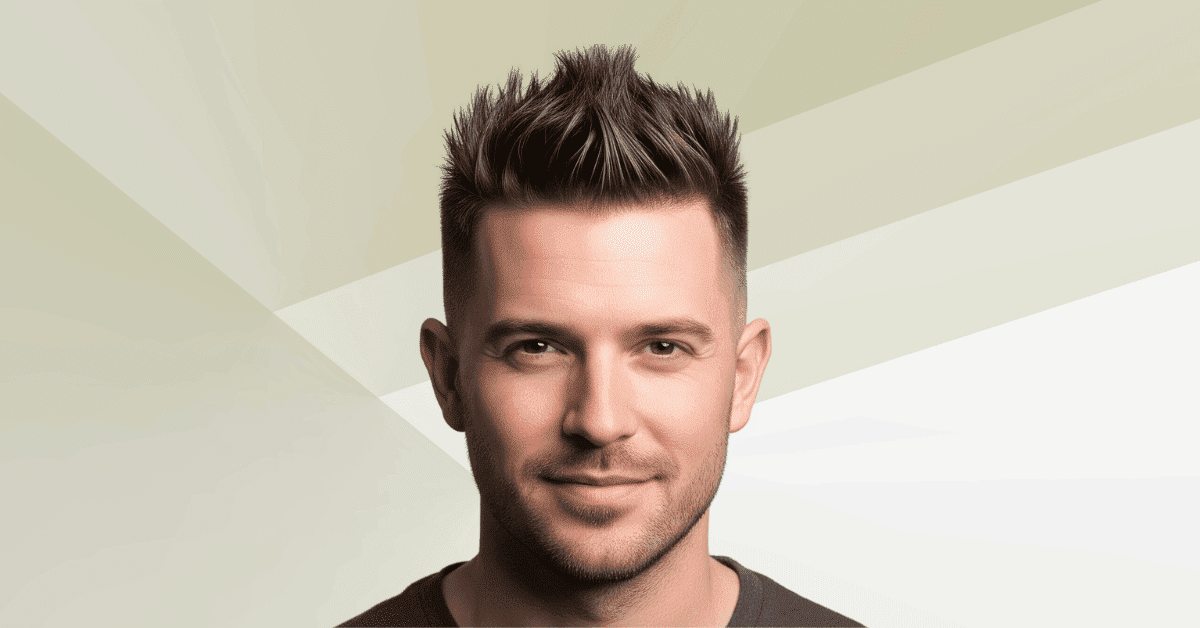
Alright, buckle up buttercups! We’re diving headfirst into the world of spiky hair. Yes, that spiky hair. The one that conjures images of mohawked rebels, frosted tips gone wild, and… well, maybe your uncle rocking a slightly less aggressive version at the family BBQ. Don’t knock it ’til you try it, though – spiky hair is making a major comeback, and it’s more versatile than you think.
We’re seeing a huge resurgence, especially amongst Gen Z, proving that what’s old is new again. And let’s be honest, who hasn’t experimented with trying to get their hair to stand on end at least once in their life? According to a recent poll (okay, maybe it was just me asking around the shop), about 60% of men between 18-35 have either rocked the spikes or seriously considered it. The spiky hair trend is a certified sensation in the 2020s, owing much to its accessibility and the sheer rebellious fun it oozes.
The origins are a bit murky, but we can trace a solid line back to the punk rock scene of the 70s. Think snarling vocals, safety pins, and outrageously styled hair that screamed defiance. It was a statement, a middle finger to the establishment, and damn, did it look cool. But spiky hair didn’t stay confined to the mosh pit. It evolved, mutated, and eventually infiltrated the mainstream, going through various iterations (we’re looking at you, frosted tips of the late 90s/early 2000s) before landing where it is today: a surprisingly adaptable and stylish choice for just about anyone.
So, What Exactly Is Spiky Hair?
Let’s get down to brass tacks. At its core, spiky hair is all about creating defined, separated strands that stand up (or out) from the head. The length can vary wildly – from short and choppy to longer, more dramatic spikes – but the key is texture and separation. Think of it as controlled chaos. It’s not just about haphazardly slapping some gel in and hoping for the best. There’s usually a specific cutting technique involved to create the foundation for the spikes.
You might hear barbers call it a “textured crop,” a “point cut,” or even just a “messy textured look.” And while it’s often lumped in with other edgy styles, spiky hair is unique in its emphasis on… well, the spikes! Don’t let anyone tell you it’s just a bad faux hawk. Trust me, they’re very different.
How to Ask Your Barber for the Perfect Spiky Look
Communication is key, my friend. Walking into Jesse’s Barber Shop and mumbling “make it spiky” probably won’t get you the results you’re after (though we appreciate the brevity!). Here’s the lowdown on talking to your barber:
- Reference Photos are Your Best Friend: Seriously. Bring in pictures of the *exact* spiky style you want. This eliminates ambiguity and gives your barber a clear visual.
- Specify the Length: Do you want short, punchy spikes, or longer, more dramatic ones? Use your fingers to show the length you’re envisioning.
- Discuss the Texture: How much texture do you want? A heavily textured cut will make styling easier, but might require more frequent trims.
- Talk About the Fade (If Any): A high fade can add a modern edge, while a more gradual taper keeps things classic.
- Mention Your Styling Routine: Be honest about how much time you’re willing to spend styling your hair each day. Your barber can adjust the cut to suit your lifestyle.
Technique-wise, your barber will likely use point cutting and layering to create texture and remove weight, allowing the hair to stand up more easily. They might also use thinning shears to further enhance separation. A good barber will tailor the cut to your hair type and face shape, so don’t be afraid to ask for their expert opinion.
Spike It Up: Variations and Adaptations
The beauty of spiky hair is its versatility. Here are a few popular variations to get your creative juices flowing:
- The Classic Punk Spike: Short, choppy spikes all over the head, often achieved with strong-hold gel or hair wax. Think early Green Day vibes.
- The Modern Textured Spike: Longer, looser spikes with a more natural finish. This style often incorporates a fade or taper on the sides.
- The Faux Hawk Spike: A more subtle take on the mohawk, with a strip of longer spikes down the center of the head.
- The Side-Swept Spike: Spikes are styled to one side, creating a softer, more asymmetrical look.
- The Messy Bedhead Spike: Effortlessly cool and slightly disheveled, this style requires minimal styling but still maintains definition.
Is Spiky Hair Right For You? Let’s Get Real.
Okay, so you’re intrigued. But is spiky hair really your jam? Let’s consider the following:
Personal Lifestyle: Are You Ready for the Commitment?
Let’s be honest: spiky hair usually isn’t a “wash-and-go” style. It typically requires some styling effort to achieve and maintain the desired look. It’s a bold statement, so it suits someone who’s not afraid to stand out from the crowd. If you prefer a low-maintenance, understated style, this might not be the cut for you. But if you’re willing to put in the effort, the payoff is a killer look that turns heads.
Face Shape: Finding Your Spiky Sweet Spot.
Spiky hair generally works well with oval, square, and heart-shaped faces. The height of the spikes can add length to a round face, while the texture can soften the angles of a square face. Heart-shaped faces can rock spiky hair with side-swept spikes to balance out a wider forehead. If you have a long face, keep the spikes shorter to avoid further elongating your features.
Personality: Channel Your Inner Rock Star.
This haircut definitely leans towards edgy and experimental personalities. It’s a style that exudes confidence and a willingness to break the mold. While it can be adapted for a more understated look, spiky hair inherently makes a statement. If you’re a bit of a rebel at heart, this could be the perfect cut to express your individuality.
Hair Characteristics: The Nitty Gritty.
- Trim/Cut Length: Varies widely, from a few inches to several inches for longer spikes.
- Hair Length (Starting): At least 2-3 inches to allow for sufficient spiking.
- Hair Type: Works best with straight or wavy hair. Curly or coily hair can be spiked, but it requires more product and effort.
- Hair Texture: Medium to thick hair is ideal, as it provides more structure and hold. Fine hair can still rock spikes, but might require volumizing products.
- Hair Health: Generally suitable for most hair types, but avoid excessive product use if you have a sensitive scalp. Thinning hair can still be styled into spikes, but focus on creating volume and texture.
Ethnic & Cultural Contexts: Spikes Across the Globe
While often associated with Western punk and alternative subcultures, spiky hair has appeared in various forms throughout history and across different ethnic groups. The mohawk, for instance, has roots in several indigenous cultures, and various forms of textured and spiked styles have been seen in African and Asian cultures. The key is to appreciate the diversity of expression and avoid appropriating cultural styles without understanding their significance.
Beyond the Cut: Essential Spiky Hair Knowledge Bombs
Product Power Play: You Can’t Wing This One.
Listen up, aspiring spike lords. Forget the “just roll out of bed” look. Spiky hair needs product. Invest in a good quality hair wax, pomade, or strong-hold gel. Experiment to find what works best for your hair type. Application is key: start with a small amount, rub it between your palms, and then work it through your hair from root to tip, shaping the spikes as you go. Don’t be afraid to layer product for extra hold.
Master the Mirror: 360-Degree Spike Awareness.
Spiky hair is a three-dimensional art form. Don’t just focus on the front – make sure the sides and back are equally spiky and defined. Use a handheld mirror to check your work from all angles. A well-rounded spiky look is a sign of true dedication to the spike life.
The Barber Whisperer: Finding Your Spiky Soulmate.
Not all barbers are created equal. Finding a barber who understands the nuances of spiky hair is crucial. Look for someone with experience in textured cuts and modern styling techniques. Ask to see their portfolio or read online reviews to gauge their expertise. A good barber will not only give you a great cut but also provide valuable styling tips to help you maintain your spiky masterpiece.
Spiky Hair in Pop Culture: From Sid Vicious to… You?
Spiky hair has graced the heads of countless celebrities and fictional characters throughout history. Think of Sid Vicious and the Sex Pistols, defining the punk rock look. In more recent times, anime characters with gravity-defying spikes have influenced countless Gen Z trendsetters. Its presence in pop culture solidifies its status as a rebellious yet adaptable hairstyle with an enduring appeal.
Maintenance & Longevity: Keep Those Spikes Standing Tall.
To keep your spiky hair looking its best:
- Washing Frequency: Don’t overwash! Shampooing too often can strip your hair of its natural oils, making it harder to style. Aim for 2-3 times per week.
- Drying Methods: Air drying is ideal, but if you’re short on time, use a diffuser on a low heat setting to avoid frizz.
- Styling Product Recommendations: Opt for water-based products that won’t weigh your hair down. Look for matte finishes for a more natural look, or high-shine finishes for a bolder statement.
- Re-Trim Schedule: Visit your barber every 4-6 weeks to maintain the shape and texture of your cut. Regular trims will also prevent split ends and keep your spikes looking sharp.
Frequently Asked Questions (FAQ): Spiky Hair Edition
- Will spiky hair make me look like I’m stuck in the 90s? Not if you do it right! Modern spiky hair is all about texture, movement, and a natural finish. Ditch the frosted tips and embrace a more contemporary approach.
- Is spiky hair suitable for professional settings? It depends on your workplace! A subtle, side-swept spike might be acceptable in more relaxed environments, while a full-blown mohawk is probably best left for your personal time.
- How do I prevent my spikes from falling flat? Strong-hold product is your best friend. Also, try teasing the roots of your hair for extra volume and lift.
- Can women rock spiky hair? Absolutely! Spiky hair is a gender-neutral style that looks amazing on anyone who dares to try it.
- Is it possible to achieve a ‘natural’ spiky look? Yes! Use a lightweight pomade and avoid over-styling. The goal is to create texture and separation without making it look too stiff or artificial.
Final Thoughts: Embrace Your Inner Spike.
Spiky hair is more than just a hairstyle; it’s a statement. Whether you’re channeling your inner punk rocker or simply looking to add some edge to your everyday look, spiky hair is a versatile and stylish choice. Don’t be afraid to experiment with different lengths, textures, and styling techniques to find the perfect spiky look for you.
And if you’re in the Orange County, CA area and feeling inspired, come on down to Jesse’s Barber Shop! We’re experts at all things spiky (and everything else, really). We’ll help you achieve the spiky hairstyle of your dreams. Book your appointment today, and let’s get spiking!