Introduction
The Stacked Bob is a sophisticated and consistently popular haircut, celebrated for its unique ability to combine structure with built-in volume. It represents a contemporary evolution of classic bob styles, offering a polished yet bold aesthetic. This hairstyle maintains enduring appeal, having been a sought-after look since the early 2000s, and continues to be a go-to choice for those desiring a fashionable silhouette with enhanced facial features.
Understanding the Stacked Bob
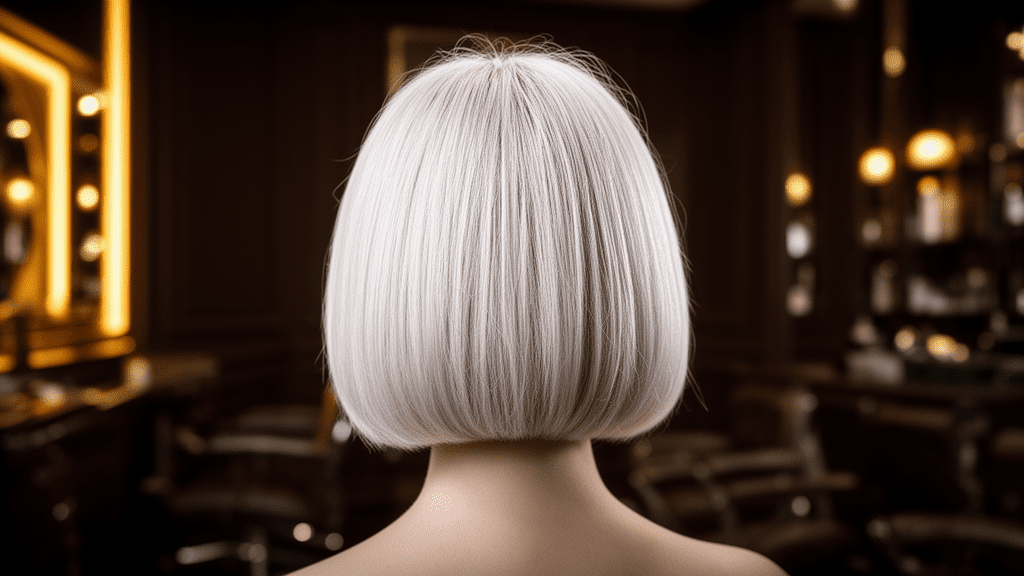
The Stacked Bob is characterized by shorter layers at the nape of the neck that progressively lengthen towards the front. This technique creates a distinctive “stacked” effect at the back, which builds significant volume and a beautifully graduated silhouette. While it shares some lineage with the classic bob, its defining feature is the strategic layering that lifts the hair from the back of the head. Unlike a blunt cut which emphasizes a single, uniform line, the stacked bob prioritizes dynamic shape and movement through its graduated layers.
Historically, the concept of geometric haircuts was largely popularized by Vidal Sassoon in the 1960s. The specific “stacked” variation, however, with its distinct graduated layers concentrated at the back, gained considerable traction in the late 1990s and early 2000s, evolving into the refined style recognized today.
Key Characteristics and Variations
The fundamental characteristic of a stacked bob is the concentration of layers at the back to create a rounded, voluminous shape, with the front typically left longer and often angled. Its versatility allows for several notable variations:
- A-Line Stacked Bob: This version features a more pronounced angle, where the hair transitions from shorter at the back to noticeably longer in the front, forming an A-shape.
- Inverted Stacked Bob: Similar to the A-line but often with an even more dramatic difference in length between the front and back, creating a striking profile.
- Stacked Bob with Bangs: Incorporating a fringe, whether blunt, side-swept, or curtain bangs, can significantly alter the look, adding softness or a sharper frame to the face.
- Textured Stacked Bob: For those seeking less precision and more movement, adding internal texture through specific cutting techniques can create a softer, more effortless appearance.
Suitability and Lifestyle
The Stacked Bob is ideally suited for individuals who desire a structured, modern, and voluminous short-to-medium length haircut. It caters to those who appreciate a polished yet bold look that maintains its shape and enhances facial features with clean lines and inherent volume. This haircut, falling under the broader category of Women’s Hairstyles, is consistently popular due to its enduring fashion appeal.
Regarding hair characteristics:
- Hair Length: While the back is short, the overall length can range from chin-length to just above the shoulders in the front, making it a versatile medium length option for many.
- Hair Type and Texture: It performs exceptionally well on straight and wavy hair types, where the graduation is clearly visible and maintains its form. For thick hair, stylists may need to remove bulk to prevent an overly heavy appearance. Fine hair benefits significantly from the layering, as it creates the illusion of increased density and volume. While possible on curly hair, it requires careful execution by a stylist experienced with managing curl patterns to achieve the desired silhouette without excessive bulk.
- Face Shape: This style is adaptable to various face shapes. Its angles can add definition to round faces, soften strong jawlines on square faces, and complement the proportions of oval faces.
Styling and Maintenance
Maintaining the distinctive shape and volume of a stacked bob typically requires some regular styling. To best showcase the graduation and lift at the back, blow-drying with a round brush is often recommended. This technique helps to smooth the hair and create the desired rounded silhouette. While daily styling can be beneficial to maintain a pristine look, the inherent structure of the cut means it holds its form well.
Regular trims are essential for preserving the integrity of the stacked bob. A re-trim schedule of every 6-8 weeks is generally advised. This ensures the precise angles remain sharp and the volume at the back is maintained, preventing the style from losing its characteristic shape as it grows out.
Consulting with Your Stylist
Effective communication with your stylist is paramount to achieving the desired stacked bob. Providing visual references, such as photographs of stacked bobs you admire, can convey your preferences regarding length, angle, and volume. Be prepared to discuss specific details:
- Desired Length: Specify how short you wish the back to be and where you prefer the front to fall.
- Angle of Graduation: Indicate whether you prefer a subtle or more dramatic angle from the back to the front.
- Layering Intensity: Discuss the amount of stacking desired; more layers will amplify volume but may also require more dedicated styling.
- Hair Characteristics: Inform your stylist about your hair type, texture, and any concerns such as thinning or areas of particular thickness. A skilled stylist will tailor the cutting technique to your individual hair to ensure the best possible outcome.
Conclusion
The Stacked Bob is more than simply a haircut; it is a statement of modern elegance and confidence. Its architectural precision and inherent volume offer a sophisticated yet dynamic look that has sustained its appeal across decades. By understanding its characteristics and communicating effectively with a professional stylist, individuals can embrace this distinctive style and enjoy its transformative effect.