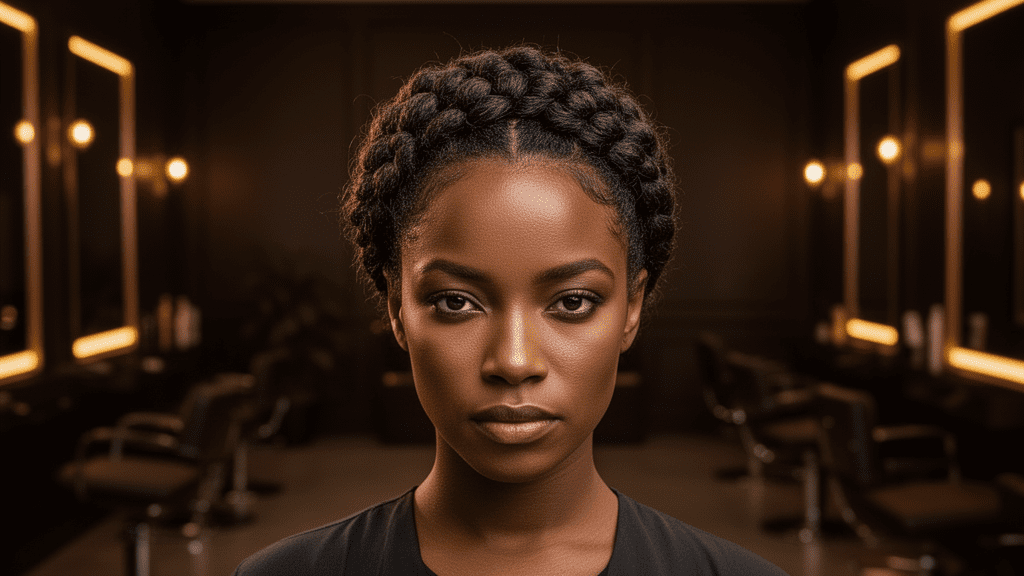
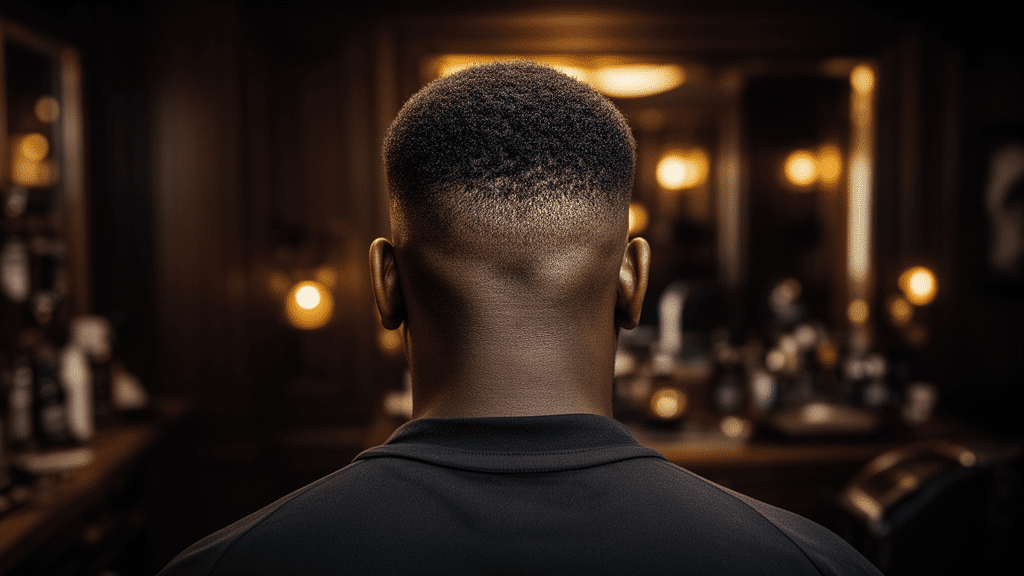
The Taper Fade stands as a dominant force in contemporary men’s hairstyles, recognized for its clean lines and adaptable nature. It seamlessly blends from longer lengths on top to a progressively shorter cut on the back and sides, culminating in a very close shave or skin exposure near the nape and ears. This haircut has experienced immense growth in popularity since the mid-2000s, becoming one of the most versatile and widespread men’s trends throughout the 2010s and 2020s, continuously evolving through various heights and top styles. Its enduring appeal lies in its sharp, crisp aesthetic, making it a staple in both professional and casual environments. For a broader exploration of similar styles, consider the fades and undercuts category.
The Evolution of the Taper Fade
While often perceived as a modern phenomenon, the foundational principles of the taper fade trace back decades. Its origins are frequently attributed to military grooming standards, where short, orderly hair was a practical necessity for hygiene and uniformity. This pragmatic approach gradually permeated civilian life, notably gaining prominence within Black barbershops and communities. In these environments, the style was refined and evolved into the distinct, sophisticated look recognized today. Variations of tapered styles can be observed as far back as the 1940s, with the contemporary taper fade firmly establishing its cultural footprint from the 1980s onwards.
Understanding the Taper Fade Distinction
Fundamentally, a taper fade is characterized by a gradual reduction in hair length. The term \”taper\” refers to this progressive decrease, ensuring a smooth transition from longer hair on the crown to shorter hair at the perimeter. The \”fade\” element denotes how this reduction culminates in a blend into the skin or an extremely short length, creating a seamless effect. The height at which this blend begins defines different fade types. This gradual reduction distinguishes it from a classic taper, which typically maintains more length at the nape and sideburns without blending to skin level.
Consulting with Your Barber for Optimal Results
Achieving the desired taper fade requires clear communication with your barber. Providing precise instructions is crucial for a successful outcome. Consider the following points for your consultation:
- Visual References: Compile a selection of 2-3 reference images that accurately represent your desired taper fade. Visual aids eliminate ambiguity.
- Specific Lengths: Clearly articulate the desired length on top and the guard numbers for the fading sides. For instance, “I would like a mid taper fade, leaving approximately two inches of hair on the crown.”
- Fade Height: Specify whether you prefer a low, mid, or high fade. Each position yields a distinct aesthetic, influencing the overall boldness of the cut.
- Detailing Preferences: Discuss additional details such as a hard part, textured top, or the treatment of sideburns and the neckline.
Taper Fade Variations
The inherent versatility of the taper fade allows for numerous adaptations, each offering a unique character:
- Low Taper Fade: This variation features the fade commencing at a lower point on the head, typically just above the ear. It offers a subtle, understated, and refined appearance, ideal for professional settings. Explore more about the low fade style.
- Mid Taper Fade: Beginning between the ear and the temple, the mid taper fade provides a balanced and widely adaptable look. It is often considered the most versatile option, suiting a broad range of preferences.
- High Taper Fade: With the fade starting higher on the head, often above the temples, this style creates a more striking and contemporary profile. It emphasizes the contrast between the longer top and the very short sides.
- Skin Fade: Also known as a bald fade, this variation involves tapering the hair all the way down to the skin, creating an exceptionally clean and sharp finish. Learn more about the skin fade for a bolder aesthetic.
- Drop Fade: In this style, the fade curves downwards behind the ear, following the natural contour of the head. This adds a distinct, customized element to the traditional taper fade structure.
- Taper Fade with Design: For those seeking a personalized statement, intricate designs, lines, or patterns can be expertly shaved into the faded sections of the hair.
Suitability and Lifestyle Integration
The taper fade is a remarkably versatile haircut, accommodating various personal attributes and lifestyles:
- Personal Lifestyle: This style is ideal for individuals seeking a sharp, clean, and modern haircut that offers a distinct transition. It is highly versatile, suitable for both professional and casual environments, appealing to those who desire a fresh, crisp, and relatively low-fuss look. Regular barber visits (typically every 2-4 weeks) are necessary to maintain its sharpness, making it suitable for those committed to consistent grooming.
- Face Shape: A taper fade can complement nearly all face shapes. A high fade can visually add height, beneficial for a rounder face, while a lower fade can soften prominent jawlines. Individuals with particularly long faces may consider avoiding extremely high fades to prevent further elongation.
- Personality: The adaptability of the taper fade allows it to reflect diverse personalities. A subtle low taper fade aligns with classic and understated preferences, whereas a high fade combined with a textured top can project a more bold and assertive image.
- Hair Characteristics:
- Trim/Cut Length: The top section offers significant flexibility in length, from very short to considerably longer, contrasting with the tightly tapered sides.
- Hair Length (starting): A foundational requirement is sufficient length on top to create the defining contrast with the faded sides, ideally at least an inch or two.
- Hair Type: The taper fade is effective across various hair types, including straight, wavy, and curly. Coily hair can also be expertly styled into a taper fade, though it may require specific techniques to define the curl pattern in the longer sections.
- Hair Texture: Fine hair can benefit from the defined structure a taper fade provides, while thick hair can be effectively managed and shaped.
- Hair Health: This style can create an illusion of fullness for thinning hair, though it does not address underlying hair loss issues. Consulting with a barber to assess suitability for individual hair health is advisable.
Beyond the Cut: Refined Taper Fade Knowledge
Understanding the nuances of the taper fade extends beyond the initial cut:
The Importance of Barber Selection
Attaining an exemplary taper fade is directly contingent on the skill of the barber. It is paramount to seek a barber who possesses specialized expertise in fades and has experience with your specific hair type. Researching local establishments, reviewing client testimonials, and scheduling a preliminary consultation are prudent steps to ensure confidence in your chosen professional.
Maintaining Precision from All Angles
The defining characteristic of a taper fade is its precision. It is beneficial to regularly examine the haircut from multiple perspectives, assessing the consistency of the fade, the sharpness of lines, and the overall silhouette. This practice assists in identifying areas that may require minor adjustments during subsequent trims, ensuring a continuously polished appearance.
Cultural Significance
The taper fade holds profound cultural significance, particularly within Black barbershop traditions, where it has been a cornerstone of style for generations. Its widespread adoption across diverse ethnic groups and subcultures underscores its universal appeal and adaptability, demonstrating its journey from cultural specificity to global prominence.
Sustaining the Taper Fade’s Integrity
Maintaining the sharp appearance of a taper fade necessitates consistent care and regular maintenance:
- Washing Frequency: Washing the hair 2-3 times per week is generally adequate. Excessive washing can strip the hair of natural oils, potentially leading to dryness.
- Drying Methods: Air drying is the most gentle method. If blow-drying is necessary, utilize a diffuser on a low heat setting to prevent frizz and maintain hair integrity.
- Styling Consistency: The application of appropriate styling products contributes to the longevity of the style. Products formulated for hold and texture can help define the top section and maintain overall shape.
- Re-trim Schedule: To preserve the distinct lines and smooth transition of the fade, re-trimming every 2-4 weeks is recommended. This regular maintenance ensures the haircut remains sharp and true to its form.
Frequently Asked Questions
Q: Can a taper fade be adapted for women?
A: Absolutely. The taper fade is a versatile haircut that can be customized to suit any gender, offering a strong, contemporary aesthetic for women as well.
Q: Will a taper fade create the impression of a larger head?
A: The visual effect depends on the specific fade height. A high fade can add a sense of height, while a low fade tends to create a more balanced and proportional appearance.
Q: Is the taper fade a challenging style to manage daily?
A: When properly cut and maintained, a taper fade is relatively straightforward to style. Minimal product application is often sufficient to achieve the desired look.
Q: What measures can extend the lifespan of my taper fade between barber visits?
A: Regular cleaning, using suitable styling aids, and adhering to a consistent re-trim schedule are key to preserving the sharpness and structure of the taper fade.