Introduction
Textured layers represent a nuanced approach to hair cutting, designed to impart natural flow, volume, and an appearance of effortless sophistication. This technique involves strategic weight removal, resulting in a style that is both dynamic and adaptable. It stands as a perennially popular layering technique that has evolved across decades, consistently featuring in various forms from the 1970s shag to contemporary long layered looks. Its enduring appeal lies in its ability to enhance natural hair characteristics, offering a versatile aesthetic that resonates with a desire for a lived-in yet polished presentation. The modern emphasis on refined texture distinguishes it from broader layered styles, making it a prominent choice in current hair trends.
Understanding Textured Layers
Textured layers are fundamentally about crafting dimension and suppleness within the hair structure. The objective is to reduce bulk and create an internal architecture that allows hair to fall with inherent buoyancy and a natural, tousled quality. This is achieved through specific cutting methods that sculpt the hair rather than merely shortening sections.
Key techniques employed include:
- Point Cutting: This involves cutting into the ends of the hair at an angle, which softens the perimeter and prevents a blunt finish. It allows for a more integrated blend between layers.
- Slide Cutting: A method where scissors glide down the hair shaft, gradually tapering the hair. This technique is crucial for releasing weight and promoting natural movement throughout the style.
- Razor Cutting: Utilized to create a distinctively wispy and piece-y texture. This is a specialized technique that requires a skilled stylist to execute appropriately for specific hair types, typically best suited for medium to thick hair.
The essence of textured layers is the deliberate intention behind each cut to foster a soft, deconstructed appearance.
Consulting with Your Stylist
Effective communication with your stylist is paramount to achieving the desired textured layer outcome. To ensure your vision is clearly understood, consider the following:
- Visual References: Provide photographic examples of textured layers that resonate with your aesthetic. Articulate specific elements you appreciate in these images, such as length, texture density, or overall shape.
- Articulate Hair Goals: Clearly convey your objectives for the haircut. Specify if you seek increased volume, enhanced movement, or a style that requires minimal daily styling.
- Hair Type Discussion: Share accurate information regarding your hair’s natural type and texture. This allows your stylist to tailor the technique to best complement your hair’s characteristics.
- Maintenance Expectations: Discuss the amount of time you are prepared to dedicate to daily styling. While textured layers can be adaptable, some degree of styling often maximizes their effect.
- Technical Language: Employ terms such as “point cutting,” “removing weight,” or “razor cutting” (if applicable to your hair type and desired outcome) to refine your explanation.
For instance, one might state, “I am looking for a medium-length layered haircut with significant texture. My goal is to achieve more volume and dynamic movement, and I am comfortable with approximately 10 minutes of daily styling. I am particularly drawn to the soft, point-cut ends in this image and am open to a razor cut if it suits my hair type.”
Variations of Textured Layers
The inherent adaptability of textured layers allows for a diverse range of interpretations, making it suitable for various hair lengths and personal styles. Popular variations include:
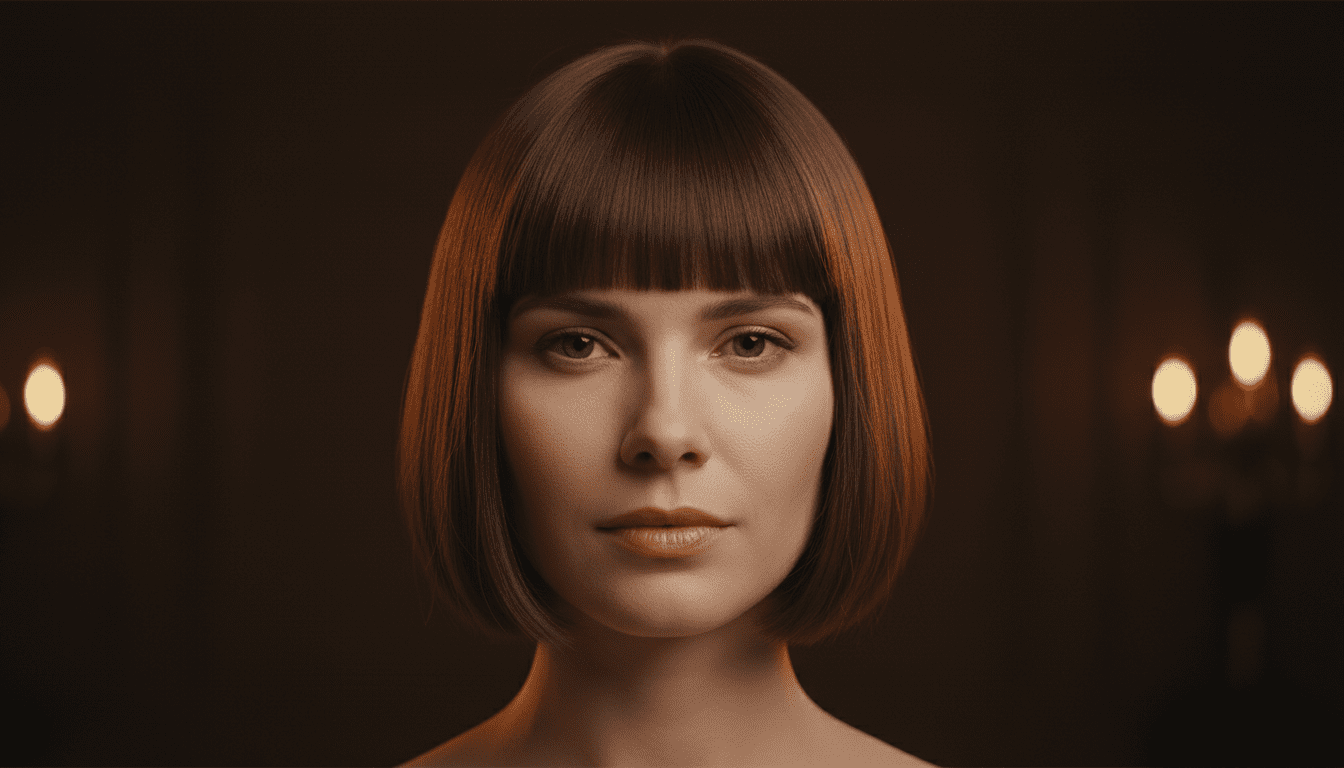
- Textured Bob: A classic bob haircut infused with textured layers to introduce volume and dynamic movement. This option is particularly beneficial for those with finer hair seeking a fuller appearance.
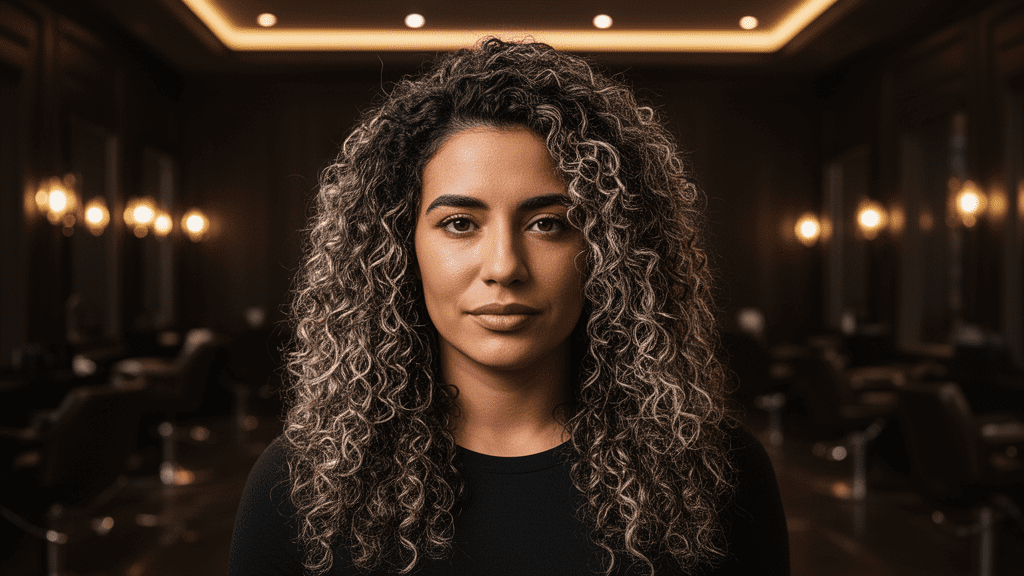
- Long Textured Layers: Applied to longer hair, these layers create a graceful, cascading effect. This style maintains length while adding dimension and fluidity.
- Textured Shag: An evolution of the iconic shag, this version emphasizes a more pronounced, undone texture. It celebrates natural hair movement and an effortlessly edgy aesthetic.
- Face-Framing Textured Layers: This style focuses on strategically placed layers around the facial contours to accentuate features and impart softness. It is effective across all hair lengths, drawing attention to the eyes and cheekbones.
The selection of a specific variation should be guided by individual face shape and personal aesthetic, with a skilled stylist able to customize the cut to perfection.
Suitability and Characteristics
Textured layers are an ideal choice for individuals seeking to add volume, movement, and vitality to their hair without a drastic change in length or style. It is particularly effective for enhancing natural hair texture, reducing excess bulk, and creating a soft, versatile style that is manageable for daily wear.
- Lifestyle: This cut can be adapted for varying maintenance levels. While it can appear effortless, it often benefits from some styling to enhance its natural texture and volume. It is not always a completely wash-and-go style for all hair types.
- Face Shape: The versatility of textured layers allows for customization to flatter diverse face shapes. Layers commencing below the chin can elongate round faces, while softer layers can soften the lines of square faces. Oval face shapes are generally well-suited to most variations.
- Personality: This style appeals to a broad spectrum of personalities, from those who favor a relaxed and natural look to individuals who enjoy experimenting with their hair. It is a modern, stylish option that avoids excessive formality.
- Hair Characteristics:
- Trim Length: Adaptable to short, medium, or long hair lengths.
- Hair Length (starting): Typically requires at least chin-length hair to allow for discernible layering.
- Hair Type: Compatible with wavy, curly, and straight hair, provided appropriate techniques are applied.
- Hair Texture: Medium to thick hair types particularly benefit from the weight reduction offered by textured layers. Fine hair can also be layered, but careful consideration is required to avoid excessive weight removal that could diminish density.
- Hair Health: Generally suitable for most hair conditions. However, individuals with severely compromised or thinning hair should consult with a stylist to assess appropriateness, as over-texturizing might exacerbate existing issues.
Enhancing the Textured Look
Achieving the optimal textured layer effect extends beyond the initial cut. Several considerations contribute to maintaining its characteristic appeal:
Embrace the Imperfection
The inherent beauty of textured layers lies in their slightly undone, natural aesthetic. The goal is not pristine perfection but rather a sophisticated, lived-in appearance. Embrace the subtle variations in texture that contribute to its charm.
Stylist Expertise
The execution of textured layers requires specific skill and understanding of hair dynamics. Selecting a stylist proficient in this technique, who understands your hair type and objectives, is crucial. Reviewing their portfolio or seeking referrals can be beneficial.
Regular Trims
To preserve the intended shape and texture, consistent trims every 6-8 weeks are essential. This prevents layers from growing out unevenly and losing their sculpted definition.
Cultural Relevance
Textured layers have established themselves as a contemporary classic, frequently observed on public figures. From Jennifer Aniston’s signature waves to the dynamic styles of Zendaya, the versatility of this cut allows it to translate across various personas and aesthetics. Within popular culture, it can be seen reflected in modern interpretations of iconic characters, affirming its place in the current style landscape.
Maintaining Textured Layers
Effective hair care practices are key to sustaining the quality and appearance of your textured layers:
- Washing Frequency: Avoid excessive washing, typically 2-3 times per week is sufficient. Over-cleansing can strip natural oils, potentially leading to dryness or frizz.
- Drying Methods: Air drying is often recommended to encourage and enhance natural texture. If heat styling is necessary, utilizing a diffuser attachment with a hairdryer can help minimize frizz and preserve curl patterns.
- Re-Trim Schedule: Adhere to a trim schedule of every 6-8 weeks to maintain the precise shape, prevent split ends, and ensure the layers retain their intended effect.
Common Inquiries
- Will textured layers make my fine hair appear thinner? When executed by a skilled stylist, textured layers can enhance the appearance of volume without diminishing density, provided weight removal is carefully managed.
- Can individuals with curly hair opt for textured layers? Absolutely. Textured layers can significantly enhance natural curl patterns, promoting better definition and shape within curly hair.
- How are textured layers typically styled? Styling approaches vary. A common method involves applying a texturizing product to damp hair and gently scrunching to define the layers. Experimentation with different techniques will help identify the most effective method for individual hair.
- Are textured layers considered high maintenance? Maintenance levels can vary. For those who embrace their natural hair texture, styling can be minimal. However, to achieve specific looks, some daily styling may be required.
- What if the result is not as expected? Layers naturally grow out over time. A conversation with your stylist can outline a strategy for blending the layers as they grow, facilitating a smooth transition to a different style if desired.
Conclusion
Textured layers offer a sophisticated and adaptable option for individuals seeking to enhance their hair with movement, volume, and an understated elegance. This technique provides a contemporary appeal that is both practical and stylish.