Introduction
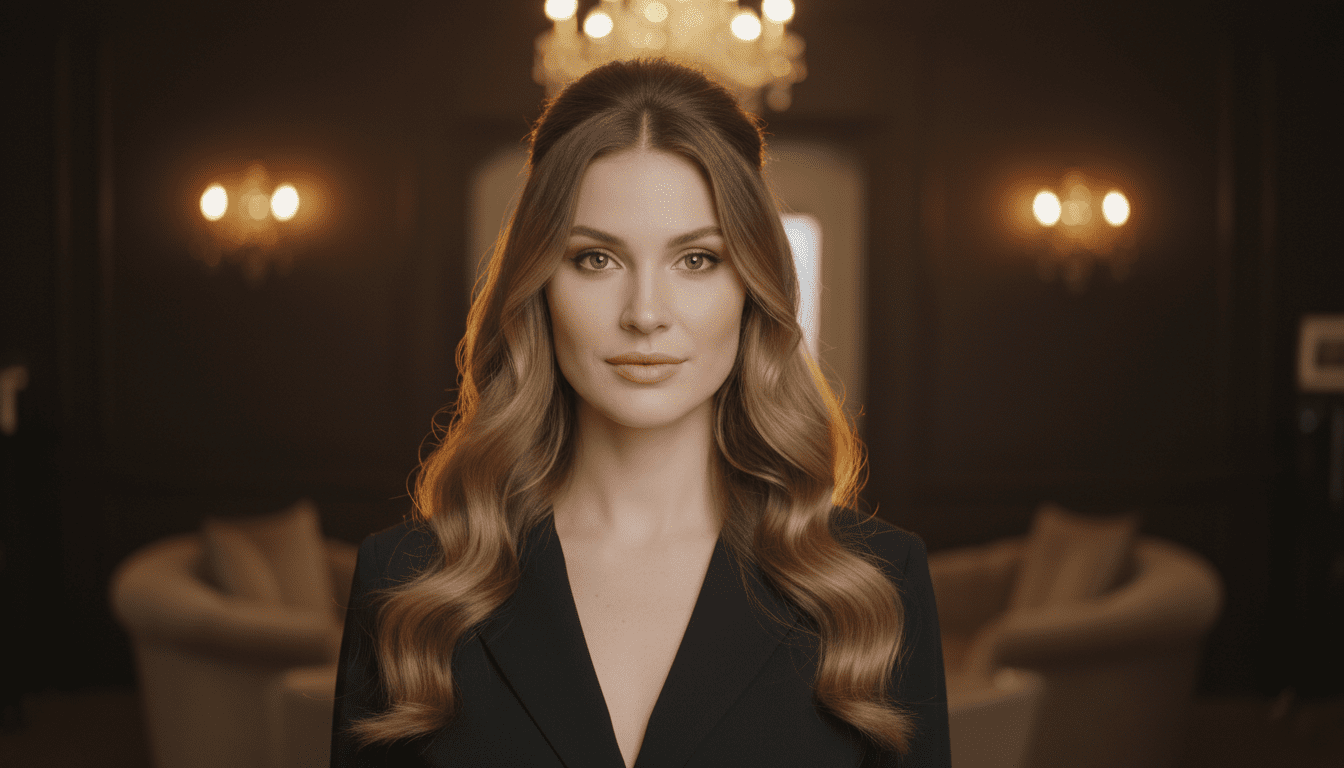
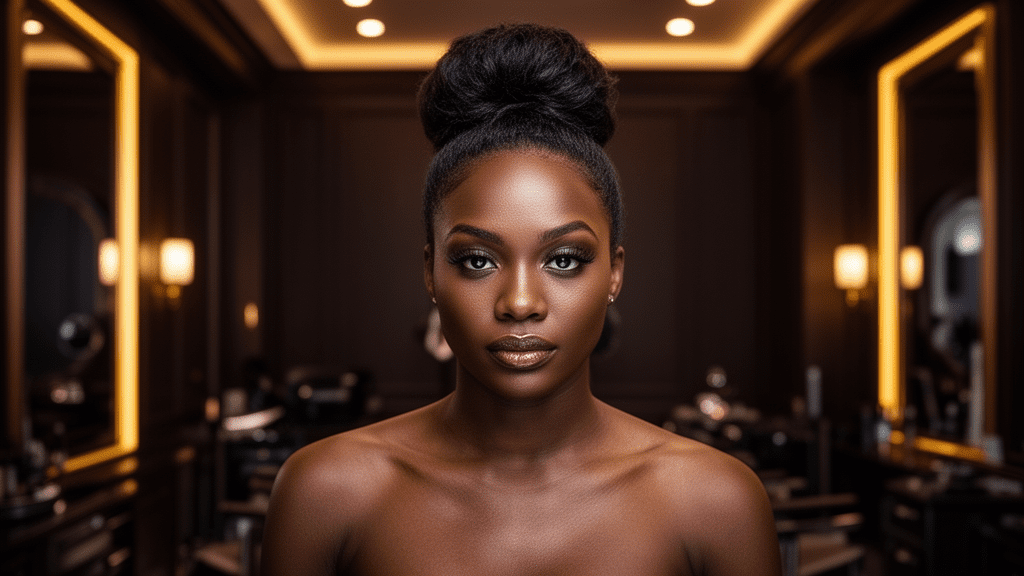
The Updo stands as a foundational and continually relevant category within hairstyling. Defined by hair meticulously or artfully arranged upwards, away from the neck and shoulders, it encompasses a broad spectrum of designs, from severely sleek to romantically flowing. This style is not merely a transient trend but a consistently popular choice for those seeking a polished, refined, and secure appearance, suitable for diverse settings. It is a hallmark of elegant presentation, adapting across eras and occasions.
Definition and Historical Context
The term Updo broadly refers to any hairstyle in which the hair is gathered and secured upwards, typically above the shoulders. This foundational concept has been present in various forms for millennia, with early iterations observed in ancient Greek and Roman societies featuring intricate braids and coils fastened with decorative pins. The 18th and 19th centuries witnessed the Updo reach extraordinary levels of grandeur, characterized by elaborate, often towering constructions adorned with a myriad of embellishments. While styles have become less ostentatious, the Updo’s popularity has remained steadfast, particularly for formal events. Industry reports indicate that updos constitute approximately 40% of bridal hairstyles and consistently rank among the most requested styles for proms and other special occasions.
Understanding the Updo’s Structure and Variants
At its core, an Updo elevates the hair, presenting a clean profile and preventing hair from resting on the shoulders or neck. This broad definition allows for immense stylistic diversity. Specific variations within the Updo category include the classic chignon, a sophisticated knot typically at the nape; the timeless French twist, characterized by its elegant vertical roll; and the more casual yet chic messy bun or topknot. Other forms might incorporate elaborate braids or sculpted waves, demonstrating the Updo’s adaptability to various aesthetic preferences and hair types. These styles are frequently categorized under updos and formal styles, highlighting their role in sophisticated events.
Professional Guidance for Achieving an Updo
Creating an Updo often benefits from the expertise of a professional stylist. Effective communication with your stylist is paramount to achieving the desired outcome. Clients should articulate their vision clearly, providing inspiration images if possible, and specify the occasion for the hairstyle. The stylist will consider the client’s hair texture, density, and length, as these factors significantly influence the feasibility and final appearance of the Updo. Discussions should also cover the preferred hold and finish, such as a soft, romantic look with loose strands or a tightly polished, sleek effect. The integration of accessories, including headbands, barrettes, or floral elements, should be discussed prior to the appointment.
Versatility of the Updo: Exploring Variations
The inherent versatility of the Updo allows for a wide array of stylistic interpretations. Popular variations include:
- The Classic Chignon: A refined and enduring style where hair is gathered into a sleek knot, traditionally at the nape of the neck.
- The Messy Bun: An effortless yet fashionable style, characterized by a loosely gathered bun with intentionally styled stray pieces, suitable for less formal occasions.
- The Braided Updo: Incorporates various braiding techniques, such as French, Dutch, or fishtail braids, to add texture and intricate detail to the overall Updo structure.
- The High Ponytail Updo: A contemporary take on the classic ponytail, elevated and often secured with a section of hair wrapped around its base for a sleek finish.
- The Gibson Tuck: A vintage-inspired style in which hair is rolled inwards and tucked at the nape, creating a soft, voluminous shape.
Each of these variations offers a distinct aesthetic, making the Updo adaptable to personal style and event requirements.
Suitability and Lifestyle Integration
The Updo is ideally suited for individuals who prioritize a polished, secure, and elegant appearance for formal events, professional environments, or special occasions. Its ability to keep hair off the face and neck makes it a practical choice for long durations. From a lifestyle perspective, Updos appeal to those who appreciate intricate styling and a sophisticated overall presentation. While often associated with women’s hairstyles, some unisex styles can incorporate updo elements, such as a top knot.
Considerations for selecting an Updo:
- Lifestyle: Updos can range from relatively simple, low-maintenance designs to highly intricate styles requiring significant time and product. The desired style should align with the individual’s willingness to commit to styling and maintenance.
- Face Shape: A skilled stylist can tailor an Updo to complement various face shapes. Styles with volume at the crown can elongate a round face, while softer, lower updos can soften angular features.
- Personality: The Updo should resonate with an individual’s personal aesthetic. A sleek, tightly constructed Updo suits a classic and refined personality, whereas a more textured or undone Updo might align with an edgy or romantic sensibility.
- Hair Characteristics: Most updos typically require medium to long hair. Hair type influences the achievable style; straight hair lends itself to sleek finishes, while wavy or curly hair provides natural texture and volume. Fine hair may require backcombing or specialized techniques to create fullness, potentially utilizing a high volume approach. Thick hair may need careful layering to prevent excessive bulk. Hair health is also a factor; while updos can artfully conceal areas of thinning, excessively tight styles should be avoided to prevent undue stress on the hair follicles.
Cultural Significance
Beyond aesthetics, the Updo frequently carries cultural and historical significance. In many African cultures, elaborate braided updos are not merely decorative but are imbued with meaning, symbolizing status, age, or marital standing. Similarly, traditional Japanese geisha hairstyles, which are complex updos, signify social roles and artistic dedication. These examples illustrate how the Updo transcends simple adornment, serving as a powerful emblem of heritage and identity across various global cultures.
Essential Considerations for Updo Maintenance
Maintaining an Updo’s integrity requires specific practices. The judicious use of bobby pins, strategically placed with the wavy side against the scalp, is fundamental for securing the style throughout the day. Appropriate styling products, such as flexible-hold hairspray for longevity and volumizing mousse for desired fullness, are crucial for both creation and preservation. For complex updos, seeking a stylist proficient in these intricate designs ensures a professional and lasting result. Regular trims, every six to eight weeks, help maintain hair health, which in turn supports the structure and appearance of any Updo.
Updos in Cultural Reference
Updos have consistently appeared in prominent cultural moments, solidifying their place in fashion history. Audrey Hepburn’s iconic French twist in “Breakfast at Tiffany’s” remains a definitive representation of timeless elegance. Contemporary figures such as Zendaya and Blake Lively frequently showcase modern interpretations of the Updo on red carpets, demonstrating its enduring relevance. In the realm of pop music, artists like Lady Gaga often utilize dramatically styled updos, frequently incorporating avant-garde elements, as a key component of their artistic expression.
Common Questions about Updos
- Can updos be created with short hair? While most traditional updos require medium to long hair, certain modified styles or the strategic use of extensions can adapt the concept for shorter lengths.
- How can an updo be made to last all day? The longevity of an updo relies on a combination of proper technique, sufficient hold from styling products, and the strategic placement of bobby pins.
- What methods can add volume to an updo? Volumizing mousse applied at the roots prior to styling, along with careful backcombing or teasing, can significantly enhance an updo’s fullness and height.
- Is an updo appropriate for casual settings? Absolutely. Simpler variations, such as a messy bun or a loosely braided updo, are well-suited for informal occasions and can convey an effortless yet chic aesthetic.
- What type of jewelry complements an updo? Jewelry selection should harmonize with the specific updo style and the event. Delicate earrings or a subtle necklace may enhance an elegant updo, while statement pieces can provide a bolder contrast.
- Can updos be styled to flatter thinning hair? A skilled stylist can design an updo that effectively camouflages areas of thinning, utilizing styling techniques that create the illusion of density and volume.
Conclusion
The Updo, in its many forms, continues to be a versatile and sophisticated styling choice. Its long history, adaptability to different personal styles, and suitability for a wide range of occasions solidify its status as a classic. From formal events to refined daily wear, the Updo provides a polished and distinguished aesthetic, offering both elegance and practicality.