
Introduction
The French Braid stands as a timeless and practical hairstyle, distinguished by its intricate yet refined appearance. This braiding technique has maintained consistent popularity across various eras, valued for its elegance, secure hold, and remarkable versatility. From its historical European roots to its continued presence in contemporary fashion, the French Braid remains a foundational skill in hairstyling and a favored choice for diverse occasions.
Historically, while general braiding techniques trace back to ancient civilizations, the specific method of the French Braid gained prominence in Europe during the early 19th century. Its adaptability has allowed it to transcend eras, from structured Victorian styles to the more relaxed aesthetics of modern times. It is consistently recognized as a classic technique within the broader category of updos and braids.
Understanding the French Braid Technique
A French Braid is a three-strand plait that progressively incorporates new sections of hair, resulting in a seamlessly integrated and flowing pattern. The process begins at the crown of the head, where hair is divided into three initial sections. As these sections are braided, a small portion of loose hair from each side of the head is added to the active strand before it is crossed over the middle section. This continuous addition of hair creates a braid that lies flat against the scalp and gradually gathers all available hair into a single, cohesive unit as it descends towards the nape of the neck.
While occasionally referred to as an “inverted braid” or simply a “hair plait,” “French Braid” is the widely accepted nomenclature. It is crucial to differentiate it from a Dutch braid, which employs a similar principle but involves crossing the hair strands under the middle section, creating a raised, more prominent braid. In contrast, the French Braid’s characteristic lies in its over crossing motion.
Consulting with Your Stylist
Achieving a well-executed French Braid often benefits from professional application. When consulting a stylist, clear communication ensures the desired outcome. Clients seeking this style should express their preference for a classic French Braid that commences precisely at the crown and continues down the back of the head. Specifying a preference for the braid’s tightness and security is advisable to ensure its longevity. Additionally, requesting a clean part before the braid begins can define the overall aesthetic, whether polished or more relaxed. Providing a visual reference can also be highly effective in conveying the exact style sought. Stylists can offer expert recommendations to adapt the French Braid to individual hair types and facial structures, ensuring a personalized and flattering result.
Variations of the French Braid
The inherent versatility of the French Braid allows for numerous adaptations, each offering a distinct aesthetic:
- Double French Braids: This style involves creating two symmetrical French braids, typically running down either side of the head. It offers a balanced and often youthful appearance.
- Side French Braid: Instead of braiding down the center, this variation angles the braid along one side of the head, creating an asymmetrical and elegant look.
- French Braid Crown: Hair is braided around the perimeter of the head, forming a halo-like shape. This sophisticated updo is frequently chosen for formal events.
- Messy French Braid: For a relaxed, bohemian aesthetic, the finished braid is gently loosened, and some strands are deliberately pulled out to create a softer, undone appearance.
- Dutch Braid (Reverse French Braid): As noted, this variation involves crossing strands under rather than over, resulting in a braid that stands out from the scalp. While distinct, it is often considered a related technique, much like a fishtail braid offers another braiding option.
Suitability of the French Braid
The French Braid is a universally flattering style, suitable for a wide array of individuals and contexts.
- Lifestyle: Ideal for those seeking a polished, secure, and versatile style. It functions well for both everyday wear and formal occasions, providing a chic method to keep hair neat and contained. Its practicality makes it suitable for active individuals while also being easily adaptable for professional or social settings.
- Face Shape: This style can enhance various face shapes. It can add length and definition to oval, round, and heart-shaped faces. For square faces, a softer, looser braid can subtly soften angular features.
- Personality: The French Braid complements a diverse range of personalities, from those who prefer classic and understated elegance to individuals with a sporty or adventurous disposition.
- Hair Characteristics:
- Length: A minimum of shoulder-length hair is generally required, with longer hair providing greater ease and more elaborate results. Shorter layers can be incorporated but may require additional securing.
- Type and Texture: The French Braid works effectively on straight, wavy, and some curly hair types. Medium to thick hair density typically holds braids best, though finer hair can also achieve this style with appropriate preparation and technique.
- Health: Generally suitable for all hair health levels. For individuals with particularly dry or brittle hair, applying a moisturizing leave-in conditioner prior to braiding is recommended to minimize stress on the hair strands.
Essential Considerations for French Braiding
Successful French braiding involves specific preparation and technique:
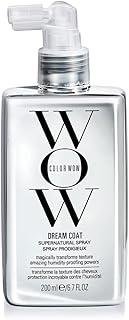
- Hair Texture for Grip: Hair that is slightly less than freshly washed often provides better grip and texture, which is advantageous for a secure and lasting braid. Silky, freshly washed hair can be more challenging to work with. Texture sprays or light styling mousses can be beneficial in adding necessary hold.
- Practice and Patience: Mastering the French Braid requires practice. Initial attempts may not yield immediate perfection; consistent effort and utilizing available tutorials will improve proficiency over time.
- Accessorization: The French Braid can be enhanced with various accessories such as ribbons, decorative beads, clips, or scarves, allowing for personalized styling and elevated presentation.
Cultural and Popular References
The French Braid has made notable appearances in popular culture, solidifying its status as an iconic hairstyle:
- Jennifer Aniston as Rachel Green in Friends: Rachel’s frequent portrayal of chic, yet seemingly effortless French braids contributed to the style’s popularity in the 1990s.
- Blake Lively as Serena van der Woodsen in Gossip Girl: Serena’s bohemian-inspired aesthetic often featured loose, deliberately messy French braids, aligning with her character’s sophisticated yet carefree persona.
- Björk: The musician Björk has incorporated intricate French braiding into her distinctive and avant-garde looks, showcasing the style’s adaptability within artistic expression.


Maintaining Your French Braid
Proper maintenance can extend the life and appearance of a French Braid:
- Washing Schedule: Daily washing is not necessary and can even be counterproductive, as slightly older hair tends to hold the braid more effectively. Dry shampoo can be used to manage oil and refresh the scalp between washes.
- Drying Methods: Air drying is the preferred method to prevent frizz and potential heat damage. If blow-drying is required, a low heat setting with a diffuser attachment is recommended.
- Styling Products: A lightweight hairspray can help control flyaways and secure the braid’s structure. For enhanced luminosity, a small amount of hair serum or oil can be applied sparingly to the surface of the braid.
- Longevity and Protection: To maximize the lifespan of a French Braid, particularly overnight, protecting it with a silk scarf or sleeping on a silk pillowcase can reduce friction and preserve its form.
Common Questions about the French Braid
- Is a French braid difficult to execute? Mastering the technique requires practice, but with patience and guided instruction, it is achievable.
- What hair length is required for a French braid? Ideally, hair should be at least shoulder-length. Longer hair offers more flexibility and ease of braiding.
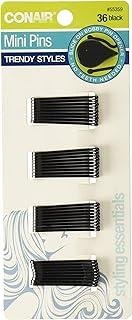
- Can a French braid be done on layered hair? Yes, though shorter layers may require careful incorporation and potentially some bobby pins for security.
- Does a French braid cause hair damage? When braided without excessive tightness and secured with appropriate hair ties, the French Braid is generally a protective and gentle hairstyle.
- What is the typical lifespan of a French braid? Depending on hair type and daily activities, a French Braid can remain intact for one to three days.
- Is the French Braid a style for all genders? Absolutely. The French Braid is a unisex hairstyle, suitable for anyone with sufficient hair length.
Conclusion
The French Braid is celebrated for its elegance, practicality, and lasting appeal. As a consistently popular and classic braiding technique, it offers a sophisticated way to manage and style hair, suitable for virtually any occasion. Its enduring presence in hairstyling underscores its status as a versatile and foundational technique.