Introduction
The Shag is a distinctive haircut characterized by its choppy, textured layers and inherent sense of volume. Achieving iconic status in the 1970s and 80s as a definitive rock and roll haircut, it was popularized by musicians such as Joan Jett and Stevie Nicks. This retro style has experienced a powerful revival in the 2020s, reinventing itself as a versatile, low-maintenance option that appeals to a contemporary aesthetic. It is an ideal choice for individuals seeking a haircut with personality and volume without requiring extensive daily styling.
Historical Context
The origins of the shag haircut are often attributed to hairstylist Paul McGregor, who popularized the cut in the early 1970s. A notable appearance was Jane Fonda’s shag in the 1971 film “Klute.” The style rapidly became a symbol of counter-culture, representing freedom and individuality, moving away from more structured hairstyles. While variations, including more voluminous 80s interpretations, have emerged over the decades, the modern revival embraces its raw spirit with a refined finish.
Defining the Shag Haircut
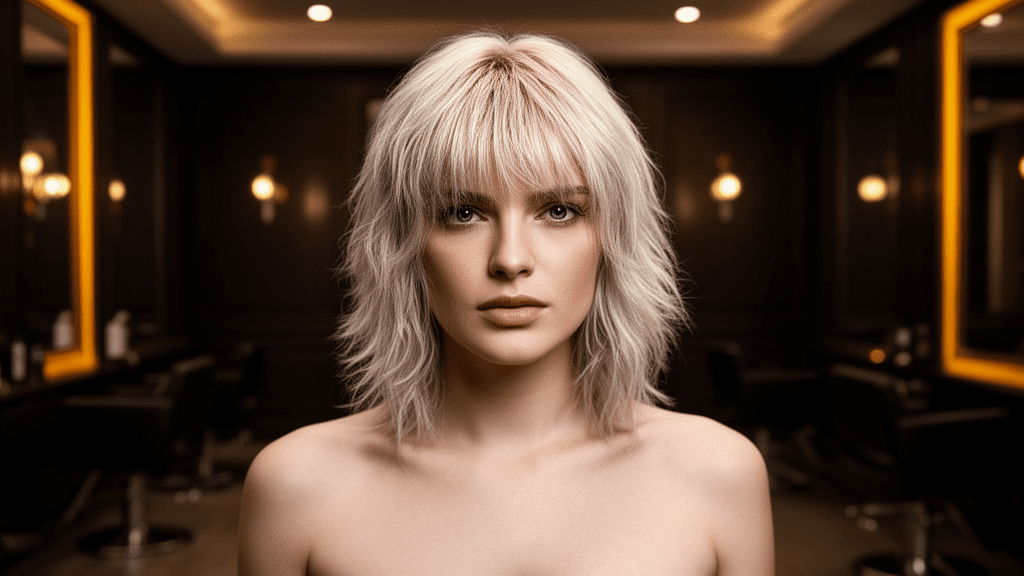
Unlike uniform bobs or sleek, linear styles, the shag is predicated on its dynamic layering. It features shorter layers at the crown that generate significant volume and movement, gradually transitioning into longer, wispier lengths that frame the face. The emphasis is on a textured and intentionally disheveled aesthetic. The cut’s signature lies in its ability to appear effortlessly styled, providing both structure and a natural, unstudied appeal.
While some contemporary interpretations, particularly those with a more pronounced disconnected feel, may be referred to as a “wolf cut,” the fundamental essence of a true shag remains rooted in its characteristic layered construction and lived-in finish.
Consulting Your Barber for a Shag
To achieve the desired shag, clear communication with your barber is essential. Consider the following points when discussing your haircut:
- Visual References: Provide visual examples of shag styles that align with your preference. Be specific regarding the length, degree of layering, and desired texture.
- Layering Focus: Explicitly request shorter layers around the crown to build volume, accompanied by longer, face-framing layers.
- Texture Preference: Articulate whether you envision a softer, more wispy shag or one with a more defined, choppy appearance.
- Lifestyle Integration: Inform your barber about your daily hair routine and styling commitment. This allows them to tailor the cut to your practical needs.
- Professional Trust: The shag is a highly textured cut. Trust your barber’s expertise throughout the process, as the style develops its character as it takes shape.
Shag Style Variations
The versatility of the shag allows for numerous adaptations, accommodating diverse preferences and hair types:
- The Modern Shag: A refined iteration featuring softer layers and a less extreme texture, suitable for those desiring a subtle interpretation of the style.
- The Mullet Shag: A bolder approach with shorter, choppier layers in the front and longer lengths at the back, evoking a distinct rock and roll sensibility.
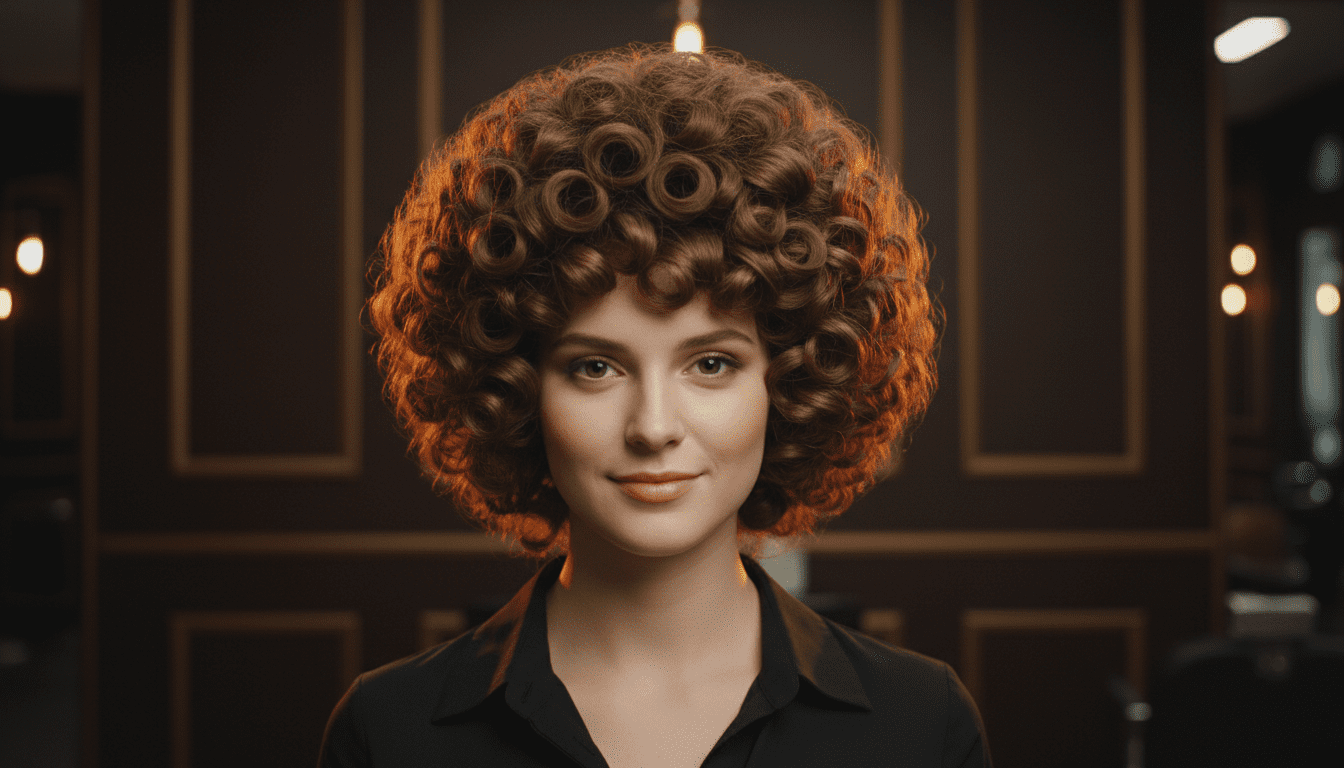
- The Curly Shag: Specifically designed to enhance and define natural curls, this version celebrates and works with inherent hair texture.
- The Long Shag: This variation retains greater overall length, creating a more subtle layered effect throughout the hair.
Suitability for the Shag
Determining if the shag is the appropriate style for an individual involves considering several factors:
- Lifestyle: While offering a
lived-in lookvibe, the shag is not a completely wash-and-go style. It benefits from some styling to achieve its characteristic undone appearance. - Face Shape: The shag complements a range of face shapes, including oval, heart, and square, as the layers can soften angular features and introduce volume strategically.
- Personality: This style appeals to individuals who embrace individuality, appreciate an edgy aesthetic, and are open to expressing their personal style.
- Hair Characteristics:
- Trim/Cut Length: Varies, but generally falls into the medium length haircuts category or longer.
- Starting Hair Length: Ideally shoulder-length or longer.
- Hair Type: Compatible with wavy and straight hair, and adaptable for curly hair through specific layering techniques.
- Hair Texture: Medium to thick hair textures tend to hold the shag’s volume most effectively. Finer hair can also carry a shag but may necessitate more styling product.
- Hair Health: The layering can provide an illusion of volume for thinning hair, though excessive layering on fragile hair should be approached cautiously.
- Ethnic and Cultural Contexts: The shag has transcended specific ethnic and cultural groups, enjoying global adoption and adaptation reflecting diverse trends and preferences.
Maintaining the Shag
Effective maintenance ensures the shag retains its characteristic shape and texture:
- Washing Frequency: To preserve natural texture, avoid over-washing. Aim for 2-3 washes per week.
- Drying Methods: Air-drying is often recommended to enhance natural texture. When blow-drying, utilizing a diffuser can minimize frizz and maximize volume.
- Styling Products: Texturizing sprays, sea salt sprays, and mousse are instrumental in defining the hair’s natural texture and achieving the signature undone aesthetic.
- Re-Trim Schedule: Regular trims, typically every 6-8 weeks, are advised to maintain the shag’s structured shape and prevent it from becoming overgrown.
Prominent Shag Adherents in Popular Culture
The shag has been adopted by numerous public figures and characters throughout its history. From Jane Fonda in Klute to Debbie Harry, Taylor Swift, Billie Eilish, and even Ursula in The Little Mermaid, the shag continues to resonate across generations and various pop culture aesthetics.
Frequently Asked Questions about the Shag
- Will a shag make my hair appear thinner? Not inherently. The strategic layering can enhance volume and create the perception of thicker hair, particularly for fine hair types.
- Can bangs be incorporated into a shag? Absolutely. Bangs are a highly effective way to personalize the shag and complement face-framing.
- Is the shag challenging to style? It requires some practice and the appropriate styling aids, but it is generally manageable.
- Can a shag be worn in an updo? Yes. Messy buns, ponytails, and braids are all compatible with the shag’s layered structure.
- What distinguishes a shag from a wolf cut? A wolf cut typically features shorter, more aggressively choppy layers on top and longer lengths in the back, creating a more pronounced mullet-like silhouette.
Conclusion
The shag haircut represents more than just a style; it embodies a statement of individuality, texture, and refined nonchalance. As a unisex hairstyle, its adaptable nature allows it to complement various face shapes, hair types, and personalities. Its resurgence underscores its timeless appeal and versatility in contemporary fashion.