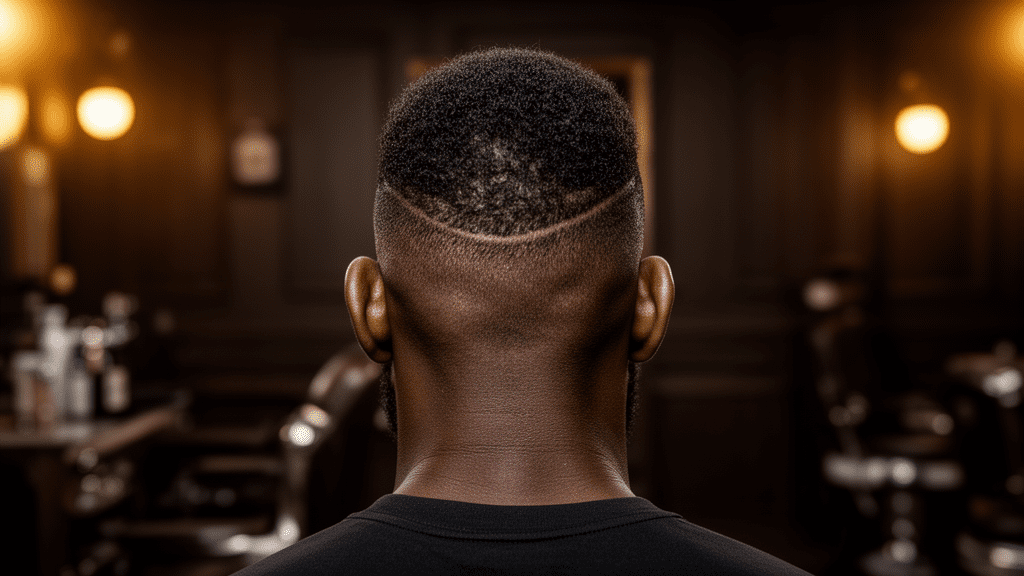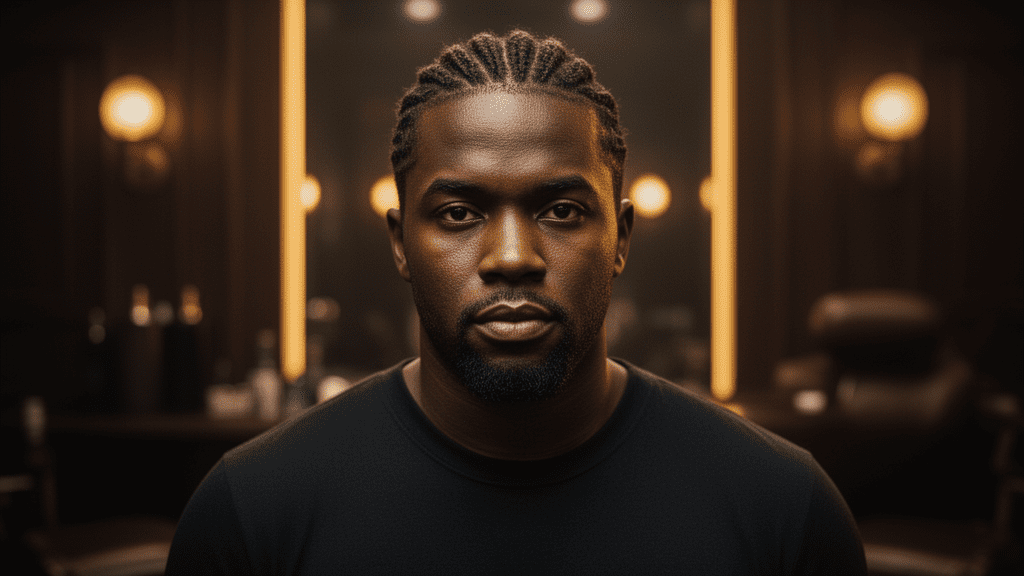
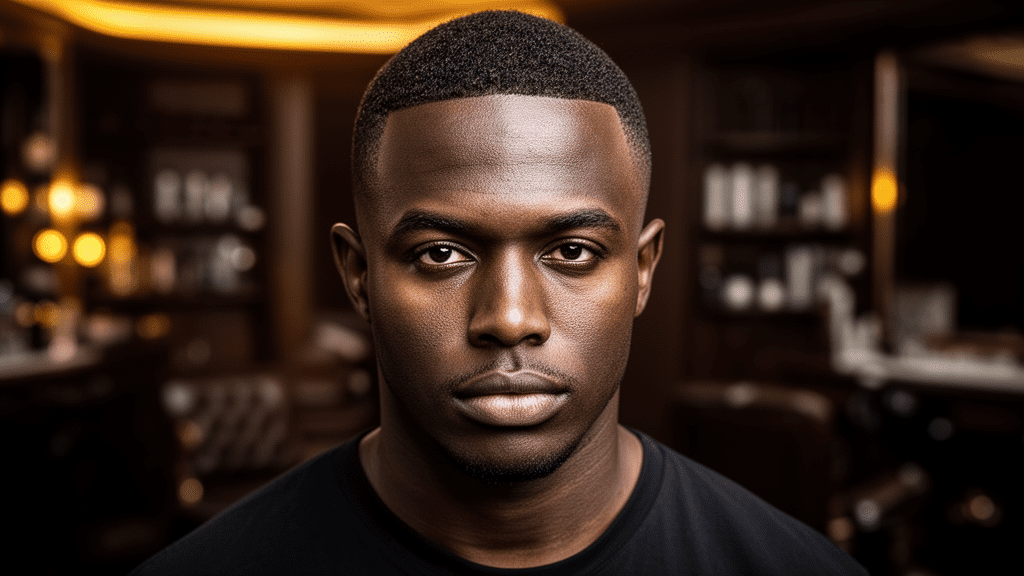
The Low Fade is a distinguished haircut characterized by its gradual taper, which begins just above the ear and at the nape of the neck. This style creates a clean, understated look, maintaining more length on the sides for a softer transition compared to higher fade variations. Often referred to as a Subtle Fade or Taper Fade, it offers a contemporary aesthetic that remains grounded in classic barbering principles.
This haircut has solidified its place as a consistently popular men’s style, experiencing a notable resurgence and adaptation across various forms since the 2010s. Its widespread appeal stems from its ability to appear polished and professional while retaining a modern edge, making it suitable for both formal and casual environments. The manageable upkeep associated with a low fade further contributes to its status as an enduring choice for those seeking a sophisticated yet practical haircut.
Defining the Low Fade
At its core, the low fade involves a precisely executed gradient of hair length. The hair is progressively shortened from a longer length at the top of the head down to a very short length, often skin-close, at the lowest points of the sides and back. This transition is initiated at a lower point on the head, typically just above the natural hairline behind the ears and around the occipital bone at the back of the head. The careful blending ensures a seamless progression from short to long, devoid of abrupt lines.
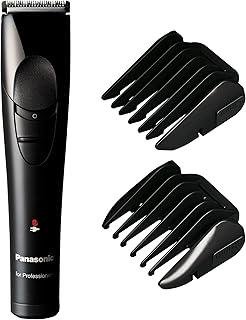
Barbers achieve this effect using clippers with varying guard lengths, meticulously blending each section to create the characteristic smooth fade. The low starting point allows for more hair to remain on the sides and back before the taper begins, offering a less dramatic contrast than other fade types while still providing a distinct, clean perimeter.
Communicating Your Desired Low Fade
Effective communication with your barber is essential to achieving the precise low fade you envision. When describing the cut, clarity regarding key parameters will ensure satisfaction.
- Specify the Starting Point: Clearly state that you desire a fade that begins low, just above the ear and at the nape of the neck. This distinguishes it from higher fade variations.
- Indicate Desired Length on Top: Provide an approximate length for the hair on the crown, whether in inches or by gesturing. This helps the barber establish the overall silhouette.
- Discuss the Level of Fade: While a “low fade” implies a certain contrast, you can further specify if you prefer a subtle blend or a more pronounced, yet still low, transition to skin.
- Choose a Neckline: Decide between a tapered neckline, which follows the natural hairline for a softer finish, or a blocked neckline, which creates a sharp, defined edge.
Visual references, such as photographs, can be highly effective in conveying your desired outcome and ensuring alignment between your vision and the barber’s execution.
Popular Low Fade Variations
The inherent versatility of the low fade allows for numerous adaptations to suit individual preferences and hair types.
- Low Fade with a Line Up (Shape Up): This variation incorporates sharp, chiseled lines along the hairline, temples, and nape, enhancing the overall crispness and definition of the fade.
- Low Fade with a Quiff: Combining the clean sides of the low fade with a voluminous, swept-back quiff on top creates a sophisticated yet dynamic look.
- Low Fade with a Part: A deliberate, often shaved, part adds an element of structured elegance, delineating the top from the faded sides.
- Low Fade with Textured Top: By leaving more length and texture on top, this variation offers styling flexibility, allowing for various modern, messy, or natural finishes.
The Low Fade in Context: Comparative Fades
Understanding the low fade involves distinguishing it from other common fade styles. Each offers a unique aesthetic by varying the fade’s starting point and overall contrast.
- High Fade: In contrast to the low fade, a high fade begins significantly higher on the head, often above the temples, creating a more dramatic and abrupt transition from short to long hair. This results in a bolder, more assertive look with minimal hair on the sides.
- Medium Fade: Positioned between the low and high fade, the medium fade initiates its taper around the midpoint of the sides of the head. It offers a balanced level of contrast, providing more structure than a low fade without the intensity of a high fade.
- Drop Fade: The drop fade shares a similar starting point with the low fade, typically around the ear. However, it distinguishes itself by gradually curving or “dropping” downwards towards the nape of the neck, creating a distinctive arc that follows the natural head shape.
- Skin Fade: Also known as a ‘bald fade’ or ‘zero fade’, this variation brings the shortest part of the fade down to the skin, offering the highest level of contrast. A low skin fade would combine the low starting point with a very close shave at the lowest extreme. A Taper Fade is generally a more subtle version of any fade, focusing on a gentle, gradual reduction in length, often interchangeable with the low fade in casual terminology but technically referring to the smoothness of the transition.



Suitability of the Low Fade
The low fade is a remarkably adaptable haircut that complements a broad spectrum of individuals, lifestyles, and hair characteristics.
- Lifestyle: Its moderate maintenance makes it ideal for individuals seeking a polished appearance that doesn’t demand extensive daily styling. It transitions effortlessly from professional environments to casual social settings.
- Face Shape: The understated nature of the low fade flatters most face shapes. It can add definition to rounder faces and subtly enhance strong jawlines without overpowering facial features.
- Personality: This haircut appeals to those who appreciate a clean, modern aesthetic with a hint of sophistication. It projects confidence and a refined sense of style without being overtly attention-seeking.
- Hair Characteristics:
- Length: The hair on top typically ranges from 1 to 4 inches, allowing for various styling options, while the fade on the sides can go down to a #1 or #2 guard length, or even to skin for a low skin fade.
- Hair Type & Texture: The low fade is compatible with straight, wavy, and curly hair. For textured and coily hair, it provides a clean foundation that can highlight natural curl patterns and offer increased manageability. It works well with fine, medium, or thick hair densities, with thicker hair yielding more volume on top.
- Hair Health: This cut is suitable for most hair conditions. For individuals with thinning hair, a judiciously applied low fade can help create the illusion of density when combined with appropriate styling on top.
- Cultural Context: The low fade is a universally appreciated style, particularly prominent within various cultural communities where its clean lines and versatility are highly valued. It is a modern staple in barber shops globally.
Maintaining Your Low Fade
To preserve the sharp lines and seamless blend of a low fade, regular maintenance is crucial.
- Trimming Frequency: A trim every 2 to 4 weeks is generally recommended to keep the fade crisp and prevent overgrowth that can obscure the defined transition. The precise interval will depend on individual hair growth rates.
- Hair Care: Washing the hair 2-3 times per week is typically sufficient, allowing natural oils to nourish the scalp without excessive buildup. Gentle towel-drying is advised to minimize frizz and potential damage.
- Selecting a Barber: Establishing a relationship with a skilled barber who understands your specific preferences and consistently delivers a high-quality fade is paramount for long-term satisfaction. Their expertise ensures the structural integrity and aesthetic appeal of the cut are maintained.
Conclusion
The Low Fade stands as a testament to the enduring appeal of precise and understated grooming. It offers a contemporary, clean, and adaptable aesthetic that appeals to a wide demographic. Its ability to marry classic elegance with modern sharpness makes it a perennially stylish choice for those who value a sophisticated yet easily maintained haircut.