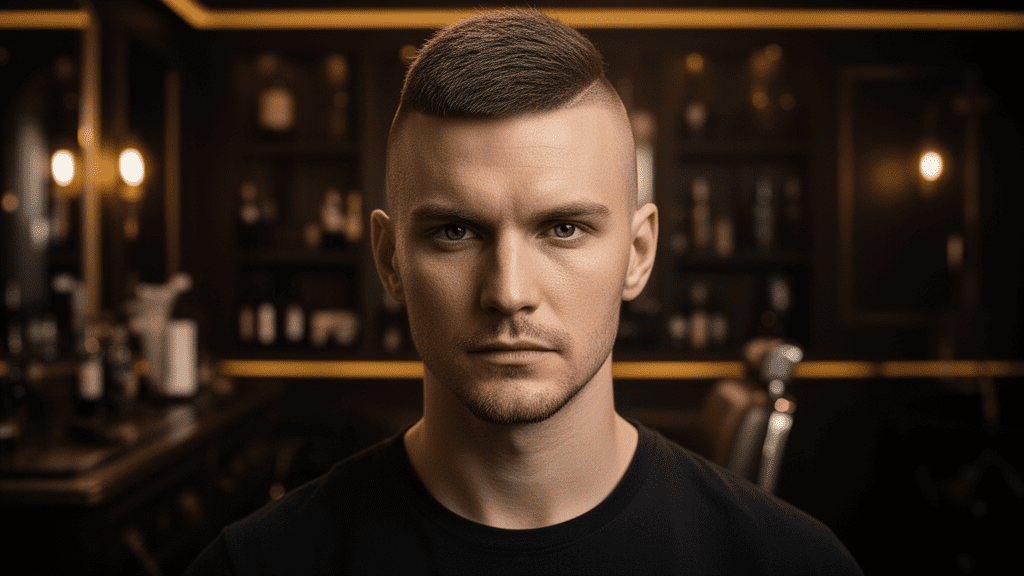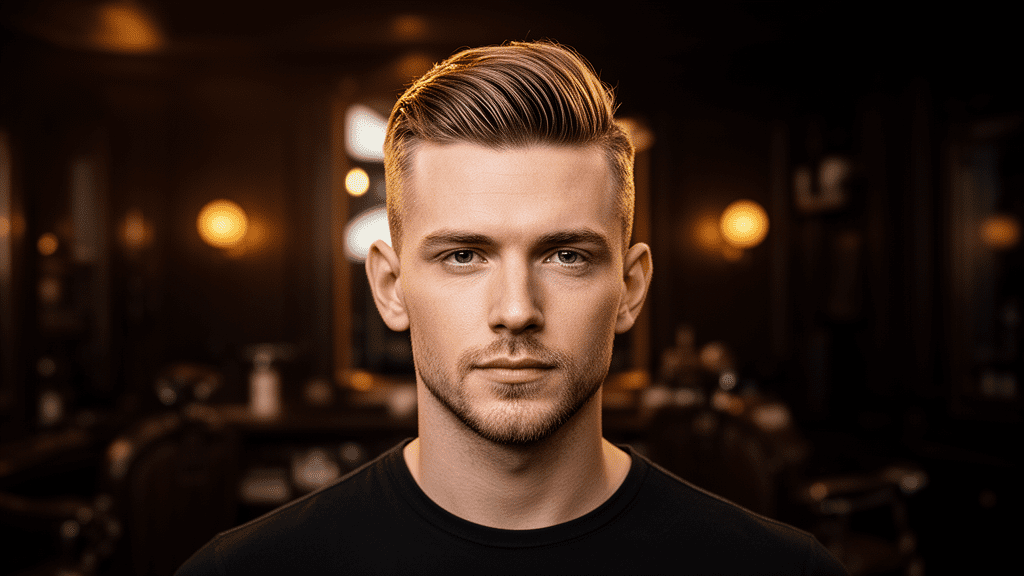
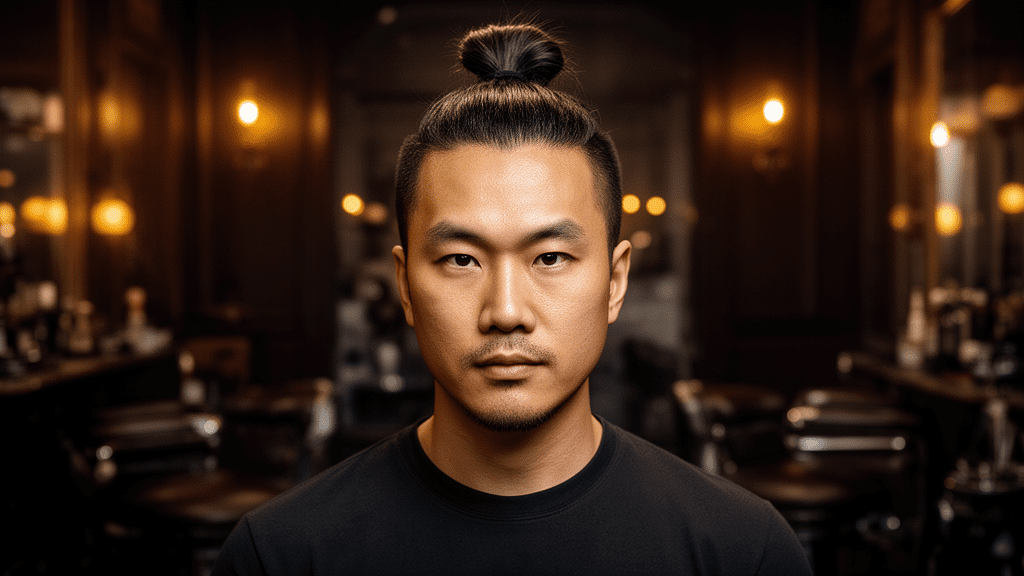
The Top Knot stands as a prominent and defining male hairstyle that emerged significantly in the early 2010s. This distinctive look is characterized by a deliberate contrast: long hair on the crown is gathered and secured into a knot or bun, while the back and sides are maintained very short, often with a faded or undercut style. It represents an evolution from broader \”man bun\” trends, offering a sharper, more intentional aesthetic.
Historically, the Top Knot gained significant mainstream popularity, becoming a notable style choice for men throughout the 2010s and into the mid-2020s. Its appeal lies in its ability to combine the practicality of tying back long hair with a bold, modern statement. This hairstyle is particularly suited for individuals who embrace contemporary trends and seek a highly distinctive look that merges clean lines with versatile hair management.
Historical Context and Evolution
While the modern Top Knot has seen a surge in recent popularity, the concept of securing hair atop the head has a rich and ancient lineage. Historically, various cultures adopted similar styles for functional and symbolic reasons. Ancient warriors, for example, often tied their hair back to keep it clear during combat. The Japanese samurai famously wore a similar top knot known as a chonmage, which served both as a practical hairstyle for helmet wearing and as a marker of social status. This historical precedent highlights the enduring appeal of the gathered updo, demonstrating its practical benefits across different eras and societal contexts. The Samurai Bun offers a look into one such cultural precursor.
Defining the Top Knot
The Top Knot is more precise than a casual ponytail; it involves intentionally styled sections of hair. Essentially, it is a bun of hair positioned high on the crown, typically accompanied by shaved or faded sides. Key components for this style include sufficient length on the top section of the head, ideally six inches or more, and a meticulously executed fade or undercut on the sides and back. The bun itself is then secured with an elastic band. While often referred to colloquially as a Man Bun when paired with a disconnected undercut, the Top Knot specifically implies the distinct contrast and higher placement.
Consulting Your Barber
Achieving the ideal Top Knot requires clear communication with your barber. When describing your desired look, consider these points:
- State the Style: Clearly communicate that you want a “Top Knot.” This ensures your barber understands the fundamental structure.
- Specify the Sides: Detail the fade or undercut level. Options range from a high skin fade for maximum contrast to a mid-fade or subtle taper for a less dramatic transition. Be precise about the height and graduation of the fade.
- Indicate Top Length: Communicate the desired length for the top section. A minimum of six to eight inches is generally recommended to allow for a substantial bun. Starting with more length provides flexibility for styling.
- Utilize Visual References: Bringing photographic examples of Top Knots you admire can be invaluable. Visual aids eliminate ambiguity and help your barber understand your specific aesthetic preferences.
Styling Variations
The versatility of the Top Knot allows for various personal interpretations, adapting to individual preferences and hair types.
- The Messy Knot: This variation embraces a more relaxed, undone aesthetic. The hair is gathered without striving for perfect neatness, allowing a few strands to naturally escape, contributing to an effortless appearance.
- The Braided Knot: For those with longer top sections, incorporating a braid into the hair before forming the knot adds intricate texture and visual depth.
- The Textured Knot: This approach focuses on enhancing the hair’s natural body and grit before creating the knot. It is particularly effective for hair that benefits from added volume.
- The Low Knot: In contrast to the typical high placement, this variation positions the bun lower on the back of the head. It offers a more understated and refined appearance, akin to a Sleek Bun in its formal potential.
Suitability and Lifestyle
The Top Knot is more than just a haircut; it is a lifestyle choice. Understanding its demands and compatibility with various characteristics is key.
Lifestyle Considerations
Despite its often casual appearance, the Top Knot requires consistent attention. While not demanding constant restyling, it is not a completely wash-and-go style. The faded or undercut sides necessitate regular trims to maintain their sharp definition, typically every two to four weeks. The top section may also require specific techniques to achieve the desired hold and appearance, making it suitable for individuals who appreciate a styled yet adaptable look.
Face Shape Compatibility
The Top Knot generally complements oval, square, and heart-shaped faces effectively. It adds vertical height and can balance prominent jawlines or soften angular features. For individuals with rounder face shapes, it is advisable to manage the volume on the sides to avoid accentuating roundness.
Personality Alignment
This hairstyle aligns well with individuals who possess a bold and confident demeanor. It caters to those who appreciate modern, distinctive styles and are keen to express individuality. While inherently edgy and contemporary, the Top Knot can also be adapted to project a more refined aesthetic, depending on the chosen variation and styling.
Hair Characteristics
- Trim/Cut Length: The sides can range from a very short buzz cut to a subtle low taper. The top length requires a minimum of six to eight inches for effective knot formation.
- Hair Length (starting): To begin styling a Top Knot, the hair on top should ideally be six inches or longer.
- Hair Type: This style is adaptable across straight, wavy, and curly hair types. Coily hair may require additional consideration for styling and hold.
- Hair Texture: Fine hair can benefit from techniques that add volume and body. Thick hair typically holds the knot well, though may require stronger securing methods.
- Hair Health: While suitable for healthy hair, the Top Knot may not be ideal for thinning hair as it can draw attention to the scalp. It can, however, be strategically styled to camouflage receding hairlines if sufficient density remains.
Global and Cultural Significance
Beyond its contemporary Western resurgence, forms of the Top Knot have resonated globally across centuries. As previously noted with the samurai’s chonmage, variations of this gathered style have served diverse cultural functions, from military practicality to indicators of social standing. Today, its widespread adoption continues to demonstrate its universal appeal and adaptable nature, transcending specific cultural origins.
Beyond the Cut: Styling and Care
Successfully maintaining a Top Knot involves more than just the initial cut; it requires an understanding of styling and ongoing care.
Visual Assessment and Balance
Understanding how the Top Knot appears from all angles is crucial. Regular self-assessment in a mirror allows for adjustments to the bun’s height and position, ensuring symmetry and proper integration with the faded sides. This attention to detail contributes to a polished final presentation.
The Importance of a Skilled Barber
The precision required for the faded sides and the tailored length on top makes selecting the right barber paramount. Seek a barber who specializes in modern men’s haircuts, particularly fades and longer top styles. A skilled barber will not only execute the cut accurately but also offer informed advice on how best to customize the Top Knot for your specific hair type and facial structure.
Cultural Impact and Pop Culture Presence
The Top Knot has firmly established itself within contemporary pop culture. Figures such as Chris Hemsworth, portraying Thor, have sported battle-ready iterations, while numerous influencers have showcased its evolving stylistic possibilities. Its presence in popular media underscores its status as a recognized and influential men’s hairstyle, reflecting a blend of practicality and rebellious aesthetic.
Maintenance and Longevity
Maintaining the sharpness and integrity of a Top Knot requires a dedicated approach:
- Washing Schedule: Avoid excessive washing. Two to three times per week is typically sufficient, using gentle cleansing and conditioning products to preserve natural hair oils.
- Drying Methods: Air drying is generally preferred. If blow drying, utilize a diffuser on a low heat setting to minimize frizz.
- Regular Trims: Schedule barber visits every two to four weeks. This is essential for maintaining the crispness of the fade and ensuring the overall shape of the Top Knot remains defined and well-kept.
- Knot Tension: To prevent potential hair breakage or discomfort, vary the placement of the knot and ensure the elastic band is not excessively tight.
Frequently Asked Questions
Is the Top Knot suitable for professional environments?
The suitability of a Top Knot in professional settings often depends on the specific workplace culture. A neatly executed and well-maintained Top Knot can be acceptable in many modern professional environments, but it is advisable to gauge the office dress code and culture.
Can hats be worn with a Top Knot?
Yes, hats can be worn with a Top Knot. Looser-fitting caps, such as beanies, typically accommodate the bun more comfortably than tighter styles.
What if my hair is currently too short for a Top Knot?
If your hair is currently too short, the primary recommendation is to allow the top section to grow out sufficiently, ideally reaching at least six inches in length. During this growth phase, other transitional styles can be explored.
Can a Top Knot cause hair damage?
Excessively tight or consistently worn buns can potentially lead to tension-related hair breakage or scalp irritation over time. Varying the bun’s position and ensuring the elastic band is not overly constrictive can mitigate these risks.
Conclusion
The Top Knot is a contemporary men’s hairstyle that effectively merges historical practicality with modern aesthetic principles. It offers a distinctive and confident look for those willing to commit to its maintenance, allowing for a personal expression that is both bold and sophisticated.